Cannabis seeds













 Alchimia now available in the USA!
Information on Durban Dew
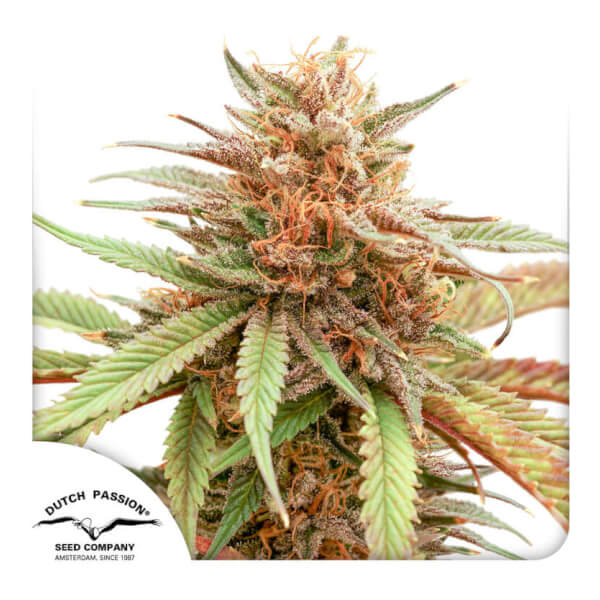
Durban Dew is a feminized photoperiod strain from Dutch Passion, the Amsterdam seed company, built for growers who want a sativa that keeps working when the weather does not. Its genetics are sativa dominant, its THC content is rated high and its terpene profile leans toward sweet, sour and fruity notes with a berry edge. The effect is an energetic, clear head high that stays functional rather than heavy.
Reported THC figures vary between batches and analyses, usually landing somewhere around 16 to 21 percent, while the breeder simply classifies the strain as high in THC. Add a flowering time of 8 to 9 weeks and XL yields indoors and out, and you get a sativa that does not demand Haze-style patience.
The story behind Durban Dew
Durban Dew was born from a simple idea: merge two of the oldest pillars of the Dutch Passion catalog into one outdoor workhorse. The cross was developed and selected in the changeable, wet Dutch climate, the same conditions that shaped both parents, so resilience was a selection target from day one.
When the first plants were tasted, the result caught the breeder off guard. Nobody quite expected the terpene blend that emerged from a spicy African sativa and a fruity Frisian hybrid.
According to the breeder, it is rare for every member of its test panel to agree on a new terpene profile, yet Durban Dew won all of them over. The aroma reminded several tasters of sour gummy bears, that mix of sugar coating and tangy fruit.
Genetics and plant structure
Durban Dew is a sativa-dominant hybrid from the cross Durban Poison x Frisian Dew. Left to grow naturally it forms a classic Christmas tree shape, with many strong side branches that let light reach every bud site.
The leaves are narrow and slender, so light filters down through the canopy, and internodes range from medium to long. Buds end up large and firm with a good flower-to-leaf ratio, which makes trimming quick, and outdoors they keep enough air between flowers to discourage mold.
A small share of plants express color, mostly pink and purple hues. Indoors, under stable temperatures, the color fades and the flowers grow full and compact.
Cold nights can push this strain's pigmentation to the extreme. On some plants, both fan leaves and sugar leaves turn such a deep purple that they look almost black by harvest time.
Durban Poison
The sativa side traces back to the South African city of Durban. Dutch Passion's line was inbred over many years during the 1970s, and each generation became better adapted to the wind and rain of Northern Europe while keeping its spicy profile of aniseed, licorice, lemon and cloves.
Durban Poison is known for an uplifting, energizing high and for unusually dense buds for a sativa. It also sits at the root of the Girl Scout Cookies line, which later gave rise to strains such as Gelato and Sherbet.
The landrace did not reach Amsterdam by chance. Its journey to Europe is credited to cannabis pioneers Ed Rosenthal, Mel Frank and Sam the Skunkman.
Frisian Dew
Frisian Dew comes from a female Super Skunk crossed with a male Purple Star, selected over many generations in Friesland, one of the northernmost provinces of the Netherlands. It became the breeder's top-selling outdoor strain thanks to heavy yields, forest berry aromas and solid tolerance to cold and humidity.
Its track record includes first place at the 2008 Highlife Cup and third place in the Dutch Hash category of the 2018 Homegrown Cup. Around half of its plants show purple tones in the tops, a trait that echoes in some Durban Dew phenotypes.
The name is a nod to its birthplace. "Frisian" is the English word for Fries, the language spoken in Friesland, a region with a strong cultural identity of its own.
Growing Durban Dew
Durban Dew is easy to grow and forgiving, suitable for first-time growers and seasoned ones alike. It performs outdoors in the ground or in large pots, in greenhouses and indoors, and it also handles guerrilla conditions well.
Indoors, flowering takes 8 to 9 weeks from the switch to 12/12. Its vigor and narrow leaves suit both SOG and SCROG setups, and expected yields sit around 450 to 550 g/m².
Outdoors, average plants reach 2 to 3 meters, and with a long vegetative phase they can pass 4 meters. In the Northern Hemisphere harvest arrives in September or October depending on latitude, with typical yields of 500 to 1000 g per plant.
The strain responds well to topping, FIM, bending and supercropping, which widen the plant and keep height in check. It shrugs off moderate rain and cold, but long spells of bad weather still call for checking colas for bud rot late in flowering and removing dead leaves in time.
For the fullest flavor, an organic approach works well. A large, well-aerated container also gives better results than a small plastic pot.
Flavor, aroma and effect
The aroma is pungent, sweet and fruity, and depending on the phenotype it leans toward berries or toward a sweet-and-sour candy note. Some plants add spicy hints on the palate, a reminder of the Durban side of the family.
On the smoke, Durban Dew is smooth and soft, with a sweet and sour, berry-like flavor that lingers. The buds finish sticky and resinous, coated in a white layer of trichomes and carrying a powerful scent that travels a fair distance.
The effect opens uplifting, clear and social, with a creative edge that leaves room to stay active. It is a long-lasting, euphoric head high, far from couch lock, that fits daytime plans, gatherings or concerts.
Dose still matters with this strain. Larger amounts can turn the high heavier and more sedating, so people new to strong sativas may want to start light.
Durban Dew brings together African sativa character and Frisian outdoor toughness in a feminized seed that finishes earlier than many sativas. In coastal and temperate climates, rural areas or cooler hill country, it is a dependable choice for large outdoor harvests with a sweet, fruity finish.
Specifications on Durban Dew
| Feminized Seeds | |
| Seed bank | Dutch Passion |
| THC Content | High (15-25%) |
| Indica/Sativa Genotype | Sativa +60% |
| Flavor | Skunk |
| Effect | Stimulating |
| Outdoor harvest | Standard (Autumn) |
| Indoor flowering | Fast (-9 weeks) |
| Indoor yield | High (500-600 g/m2) |
| Outdoor yield | High (400-1000 g/plant) |
| Genetics | Frisian Dew, Durban Poison |
Questions and answers
Durban Dew related products (Dutch Passion)