
 Cannabis seeds













 Alchimia now available in the USA!




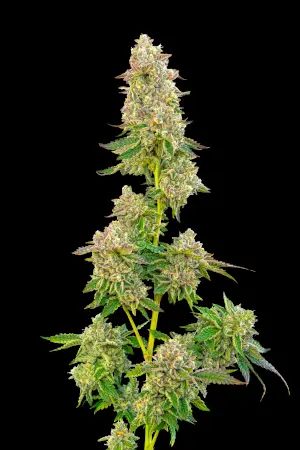



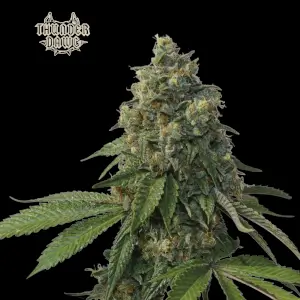
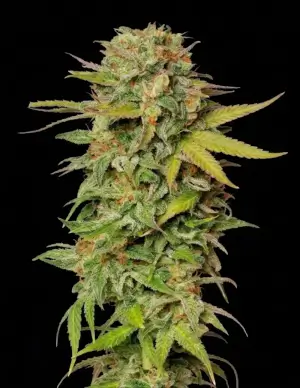

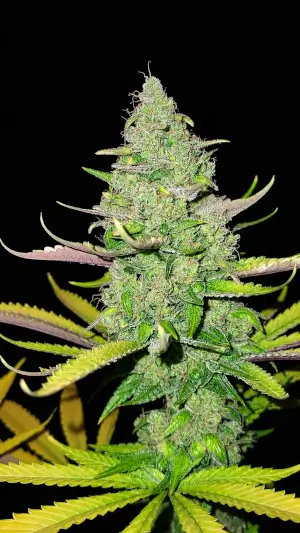
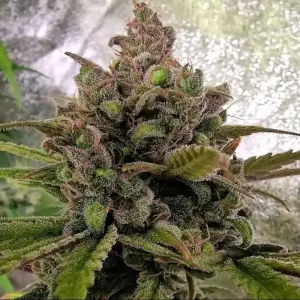
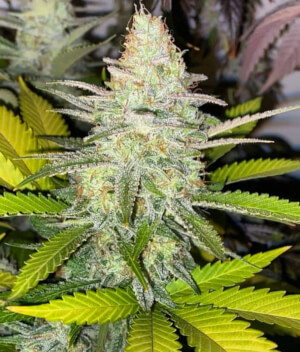
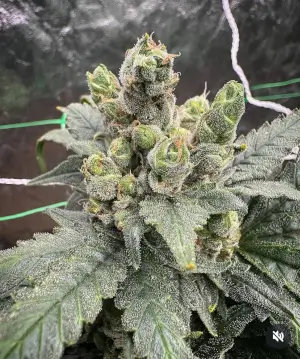










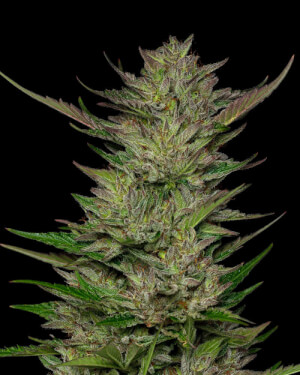
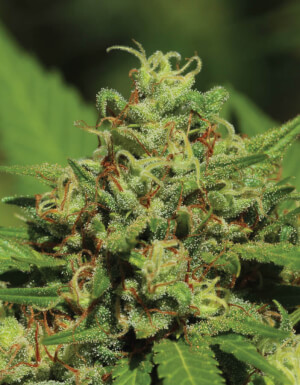
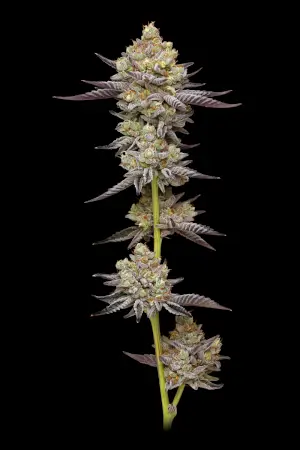
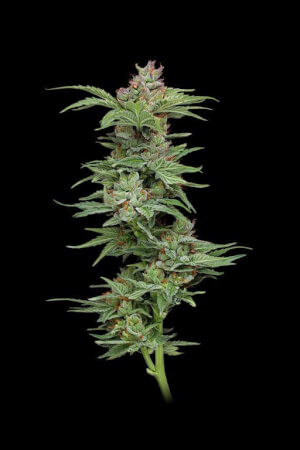
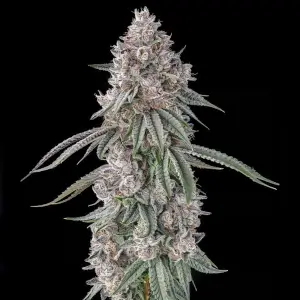
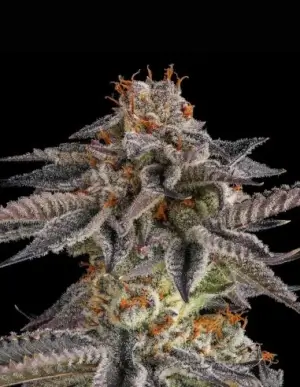
The trait comes from high-latitude populations that some botanists classify as Cannabis ruderalis. In practice, an autoflower starts showing flowers about 3 to 4 weeks after germination, and most finish their cycle in 8 to 12 weeks.
Where modern autoflowers come from
The first commercial autoflower was Lowryder, released in 2002 by the breeder known as The Joint Doctor. Its starting point was a plant called Mexican Rudy, which stayed short and flowered earlier than anything else around. Its selling point was simple: about 60 days from seed to harvest.
The Joint Doctor got Mexican Rudy from a friend living in Mexico. He crossed it with a Northern Lights #2 and then with a William’s Wonder clone, without any specific expectations. When they grew out the next generation, he and a friend noticed some very unusual males that flowered right away, while they were still basically seedlings. Those males became the foundation of Lowryder.
Early autos were compact and only moderately potent. Over time, breeders have crossed the autoflowering trait into modern genetics, to the point that there are now autoflowering versions of many popular strains.
What the genetics show
For years, autoflowering was described as a simple recessive trait, but there was little published data to back it up. In 2022, a Cornell University team mapped the responsible locus, which they named Autoflower1, and developed molecular markers to detect it in young plants.
Researchers at the Canadian company Aurora went further and pointed to a natural mutation in the PRR37 gene, part of the plant's circadian clock. That mutation disrupts how the gene is processed and sharply limits production of the functional protein, which would explain why these plants don't respond to day length.
Because the trait is recessive, there's a practical consequence for anyone making crosses. When an autoflower is crossed with a photoperiod plant, the first generation usually comes out photoperiod, and it takes later generations to bring back the autoflowering trait. That's why stabilizing a good auto takes several generations of work.
Advantages of autoflowering seeds
The first is speed. A full cycle of two to three months lets you run several harvests a year indoors, or several rounds in a single outdoor season. On top of that, nearly all of them are sold feminized, so each seed usually becomes a productive plant.
Outdoors, the advantage is timing. A photoperiod plant doesn't start flowering until the days get shorter, and in many areas that pushes harvest into October, with a higher risk of frost and mold. An auto can be harvested in late summer, which is especially useful at northern latitudes or in places where fall rains arrive early.
Indoors, they let you keep the same light schedule from start to finish, with no switch to 12/12. They usually stay fairly compact, which makes them a good fit for small grow tents, balconies and discreet grows.
How to grow autoflowers
The most common rule is to plant straight into the final pot. Autos have little room to recover from transplanting, and any stall in growth shows up at harvest. If you start them in plugs or small pots, transplant very early, before the plant gets established.
Indoors, most growers run 18/6 or 20/4 for the entire cycle. Some try 24 hours of light, but many don't see a clear difference, just higher electricity use and more heat. What matters most is keeping the schedule consistent.
A stable environment matters even more than with photoperiod plants, because an auto can't stretch its vegetative stage to make up for a rough start. Go easy on nutrients early on, be careful with watering and keep good airflow, especially in the final weeks.
Training: in moderation
LST, which means bending and tying down branches without damaging them, is the most recommended technique for opening up the plant and spreading the light. It works best when you start early and go gradually. If you defoliate at all, keep it light and do it before flowering.
Topping and heavy pruning are more debated. Many guides advise against them because the plant doesn't have time to recover before it flowers. Other growers use them successfully on vigorous strains, always in the first few weeks.
On a grower forum, one member summed up their experience by saying autos don't care about the light schedule, that 18 hours is standard and that switching to 12 tends to cut yield. They added that they had tried both topping and LST on their plants.
Limitations
Because their cycle is fixed, autos don't let you extend vegetative growth to get bigger plants, the way you can with a photoperiod strain. They also can't be kept as mother plants for taking clones over months, since clones follow the same clock as the plant they came from.
Per plant, they usually yield less than a large photoperiod plant. In return, they make up for it with shorter cycles and the option of running several rounds, so annual output can be competitive in the right space.
Who they make sense for
Autoflowering seeds suit new growers, people short on space or time, and outdoor growers in areas with rainy falls or short seasons. They're also useful for staggering harvests throughout the year.
If you're after big plants, want to keep a mother or plan to breed your own strains, a photoperiod strain will give you more room to work. For fast, predictable harvests with simple handling, a well-grown auto remains a practical choice.