
 Cannabis seeds













 Alchimia now available in the USA!
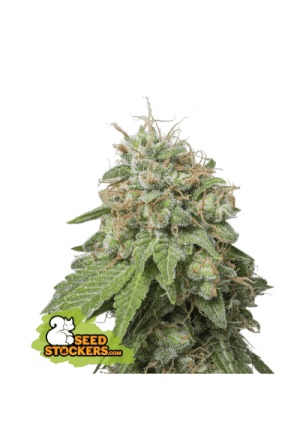
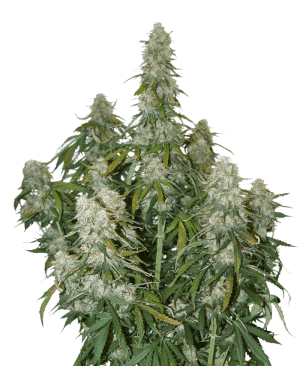
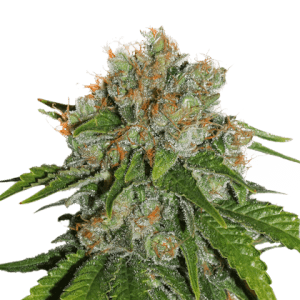
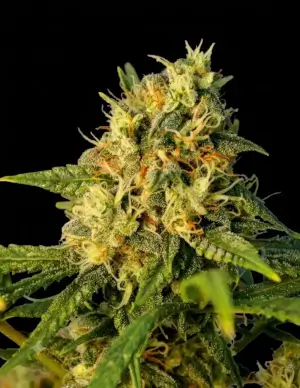
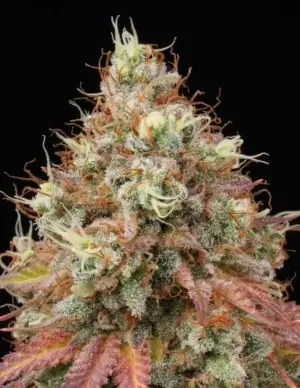
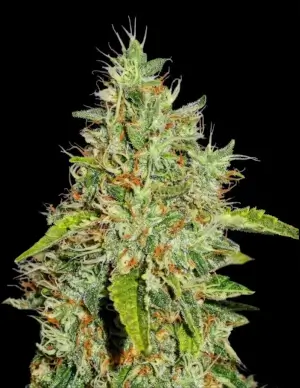

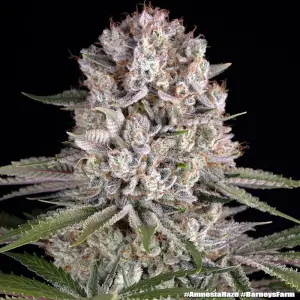
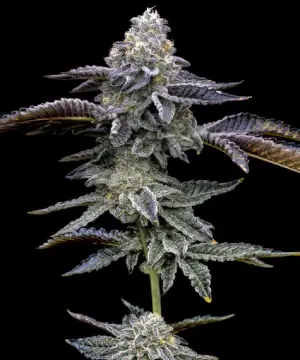





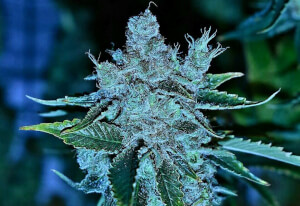
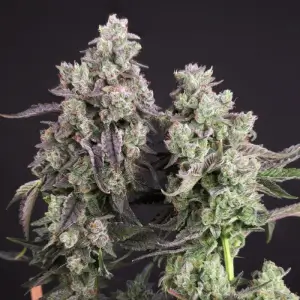

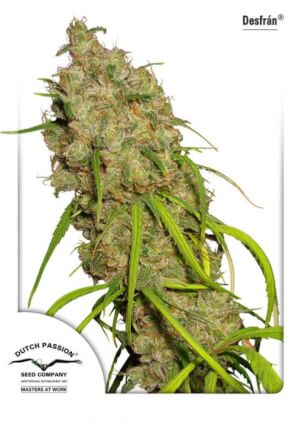
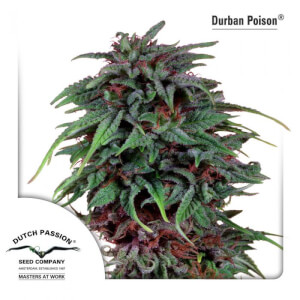
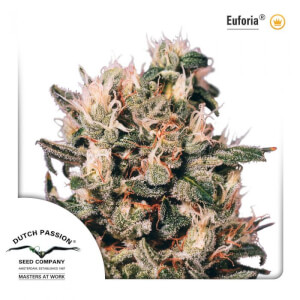
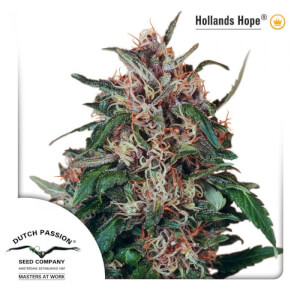
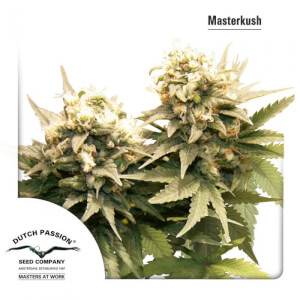
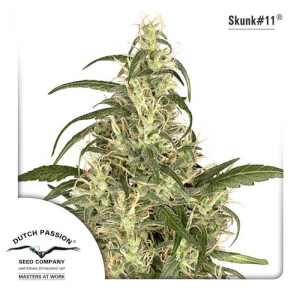
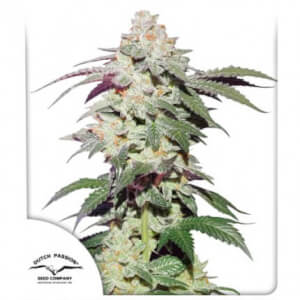
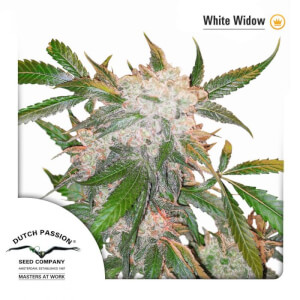
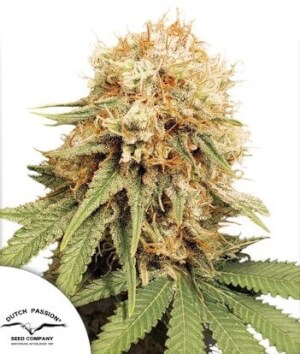
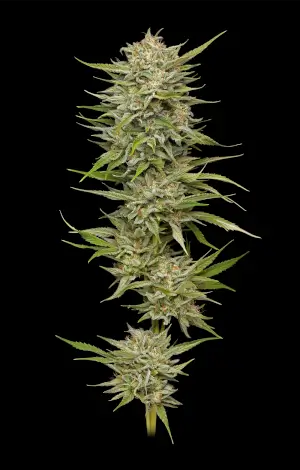
Their aroma profiles also set them apart. Instead of the sweet, creamy notes common today, old school strains tend toward skunk, spice, earth, pine and incense. For many growers, they're the smells they remember from decades ago.
California in the 1970s: Skunk #1 and Haze
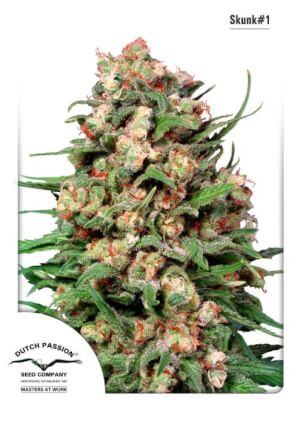
The story of old school genetics starts in Santa Cruz, where David Watson, better known as Sam the Skunkman, was linked to two of the earliest breeding outfits on record: the Haze Brothers and the Sacred Seeds collective. In 1976, Sacred Seeds released the first Skunk #1 seeds.
According to Watson, the original Skunk #1 was one of 30 hybrids he tested in his greenhouse, using males of the same variety for each female. Most hybrids showed a lot of variation, but Skunk #1 showed very little segregation, which made it the right choice. The result combined the clear high of Mexican and Colombian sativas with the fast growth of Afghan varieties.
When a High Times writer asked Watson how he'd managed to make Skunk #1 breed relatively true, he answered with modesty that he hadn't done it, nature had. He said he simply had to cross enough plants and test them until he found the combination that worked.
Haze followed a different path. The Haze Brothers grew several types in Santa Cruz in the early 1970s, and they gave Watson the variety along with permission to reproduce and sell the seeds. It was a slow-finishing sativa that, even in California's climate, was said to need greenhouses to finish.
The Pacific Northwest: Northern Lights
Northern Lights is believed to have originated in the late 1970s with a grower known only as “The Indian,” on an island near Seattle. The early versions were built from pure Afghan indicas, and a grower known as Seattle Greg developed the Northern Lights hybrids numbered #1 through #11.
Northern Lights went on to dominate the Amsterdam coffeeshop scene in the late 1980s and 1990s. It became a benchmark indica, compact and quick to finish, and the base for many classic crosses, including Northern Lights #5 x Haze.
The exodus to Amsterdam
In the 1980s, pressure on US growers pushed many of these genetics overseas. In 1985, after a reported arrest in California, Watson landed at Amsterdam's Schiphol airport with a box said to hold about 250,000 seeds. In 1986 he started Cultivator's Choice, considered Amsterdam's first cannabis seed company.
He brought Skunk #1, Haze, California Orange, Early Girl, Afghan #1 and Durban Poison, among others. Around the same time, Nevil Schoenmakers received the Northern Lights hybrids from Seattle Greg and began selling them through The Seed Bank.
Nevil's operation became famous for doing what no other Dutch seed company dared: mailing seeds to the US and advertising them in High Times. By 1986 he was offering his catalog for free and the seeds for $5 each. One of his US distributors later explained that he received bulk shipments in Michigan and mailed individual orders to customers hidden inside soup cans.
That boldness came at a cost. The DEA had been buying seeds from Nevil since his first ads in 1985, and two years later it launched Operation Green Merchant. In 1991, Nevil was arrested in Australia and faced extradition, and he ended up selling his business to Ben Dronkers, who merged it into the Sensi Seed Bank.
Competitions that cemented their status
The classics proved themselves at the early High Times Cannabis Cups in the Netherlands. Skunk #1 won the first Cannabis Cup in 1987, and Northern Lights hybrids took first place in several of the following editions. In 1989, Nevil's varieties won in all five categories.
Durban Poison: a South African classic
Not every old school strain was born in the US, but many passed through American hands. The modern history of Durban Poison began in the late 1970s, when Ed Rosenthal brought back seeds and gave some to author Mel Frank, who passed them on to Watson.
Watson spent several seasons in California working on the line to remove its intersex traits before taking it to Amsterdam. It's a good example of the patient, season-by-season selection behind many of these classics.
The return of the classics
With legalization, many US growers and breeders have gone looking for the originals. Some lines have been preserved directly from the source: Todd McCormick's Authentic Genetics offers Skunk #1 and Original Haze received from Watson, and Northern Lights #2 and #5 from Seattle Greg.
In 2022, Frank of Purple Caper Seeds set out to rediscover the Skunk #1 of his youth. He gathered seeds from several sources, including a batch from 1996 that came from Mel Frank, and grew them out at a dispensary in San Jose, California, in what High Times called an epic Skunk hunt.
Why grow old school genetics
Beyond nostalgia, there are practical reasons. Many of these lines were bred as true-breeding varieties, so they tend to be more uniform than recent polyhybrids. That also makes them a solid base for breeding, since their traits pass on predictably.
They also bring genetic diversity back into the garden. Many modern strains share a few parents from the Cookies and OG families, so growing a Skunk, a Haze or an Afghan-based Northern Lights is a way to explore aromas and structures that have become harder to find on today's menus.
Growing tips
Old school genetics vary widely, so it pays to know which side of the family tree you're growing. Afghan-based lines like Northern Lights stay compact and finish in about 7 to 8 weeks indoors. Haze and other equatorial sativas, on the other hand, stretch a lot and have long flowering times, so they need room and patience.
Because many of these strains are sold as regulars, plan on pulling males or keeping one for your own crosses. And since stability is part of their appeal, they're also a good choice for pheno hunting and keeping a mother plant for years.
Who they make sense for
Old school seeds suit growers who want genetics with history, aroma profiles beyond the sweet and creamy, and lines that breed predictably. They're also a natural choice for anyone who wants to make their own crosses from a proven foundation.
If you're starting out, an Afghan-leaning classic like Northern Lights is an easy entry point. If you have the space and time, a Haze will show you the sativa character that California growers were chasing half a century ago.