
 Cannabis seeds













 Alchimia now available in the USA!

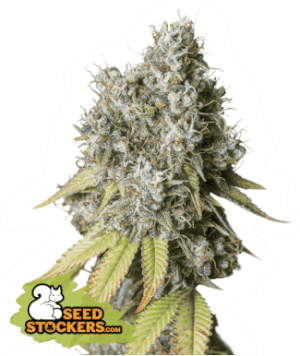
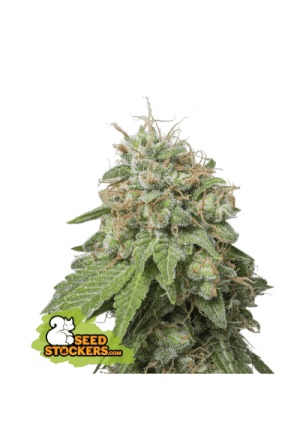

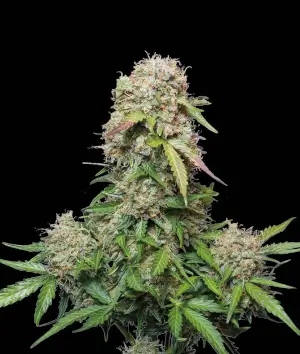
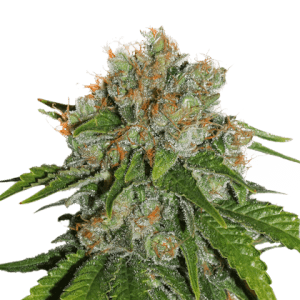
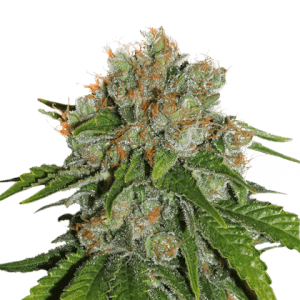
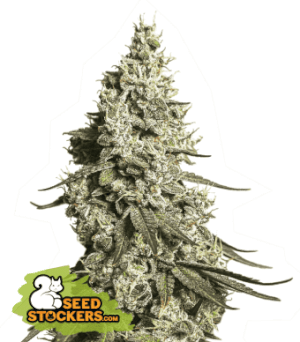
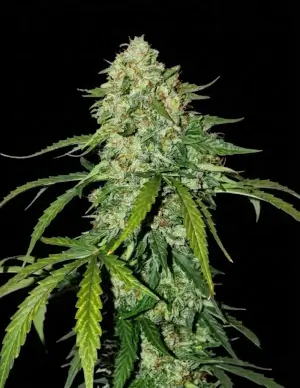
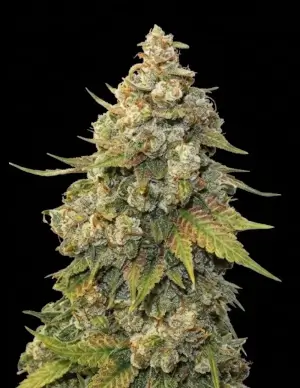
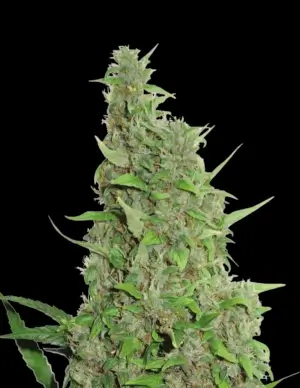
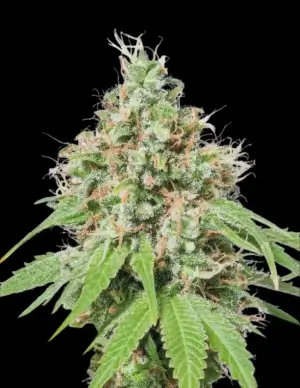
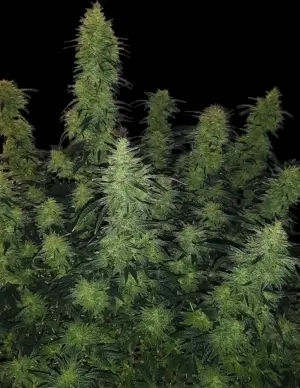
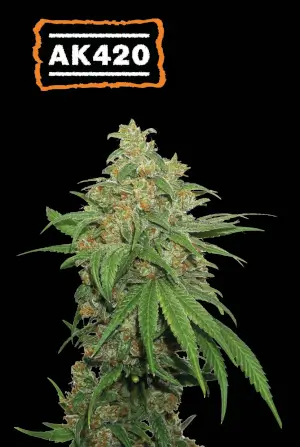

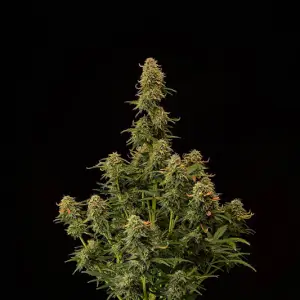
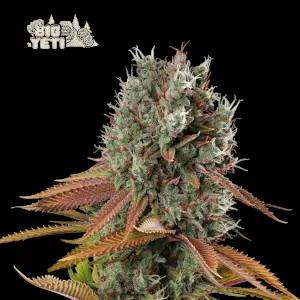
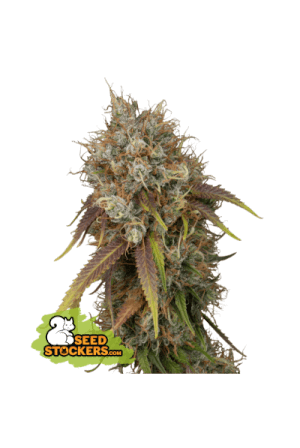
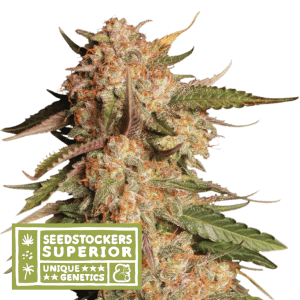
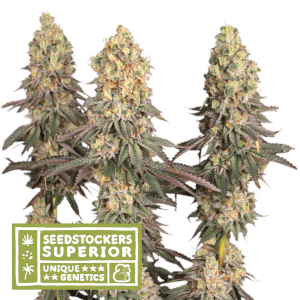
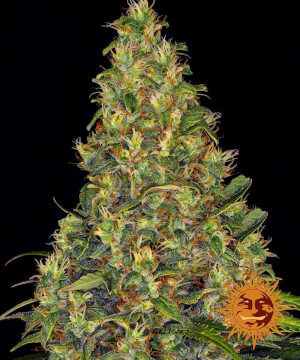

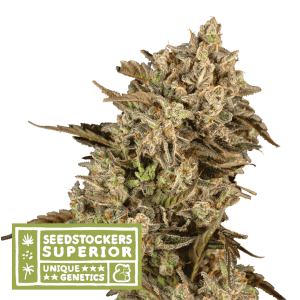
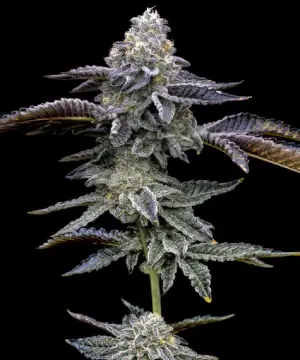
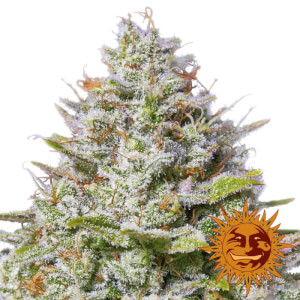
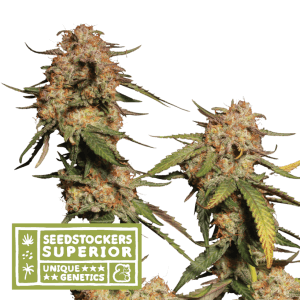
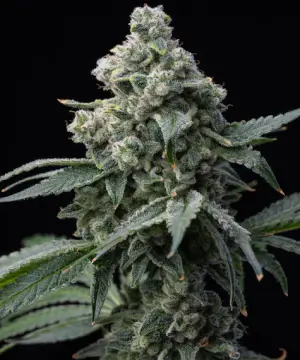

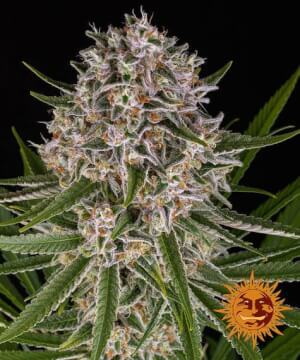
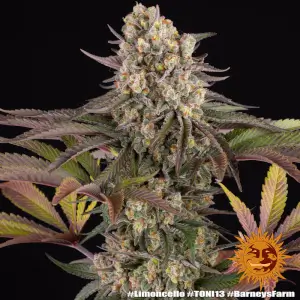
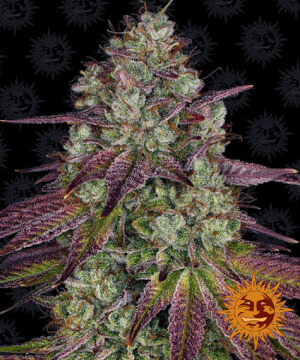
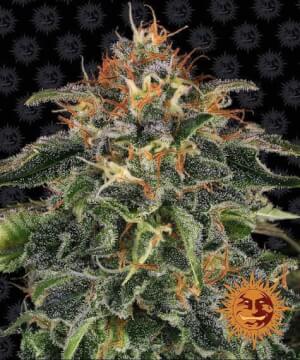

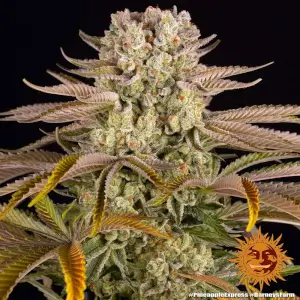
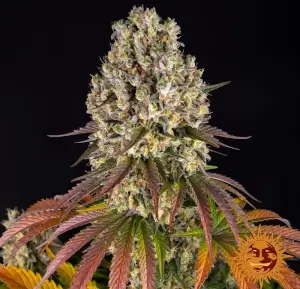
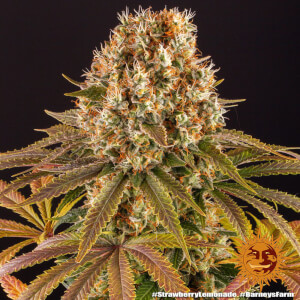
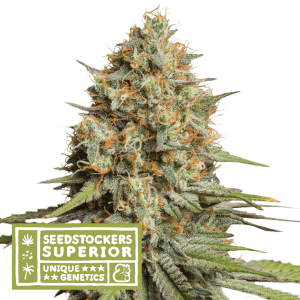
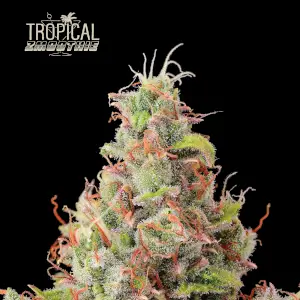
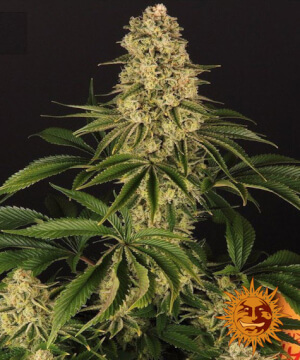
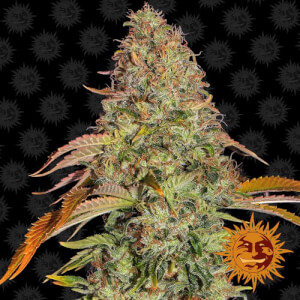
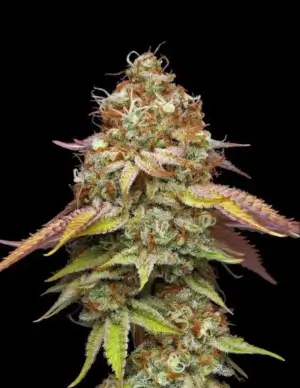
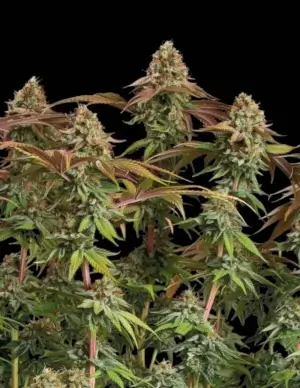
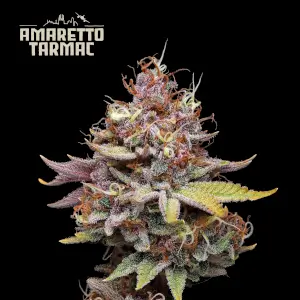
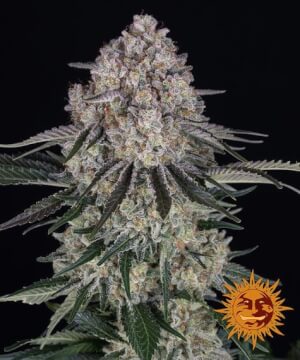
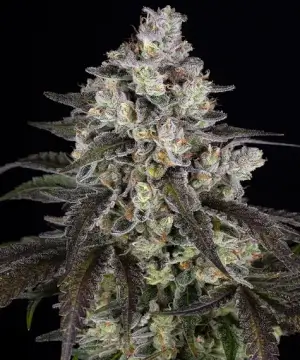

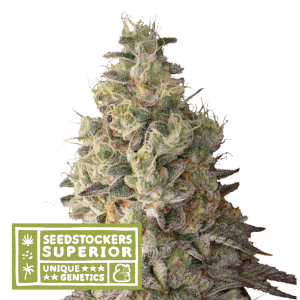
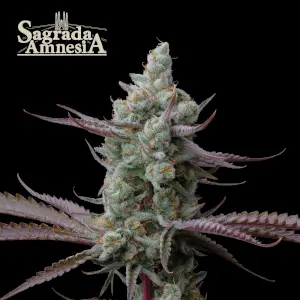


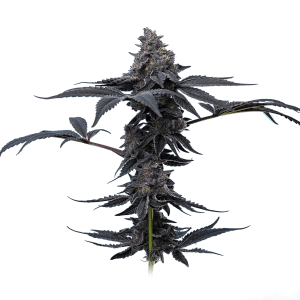
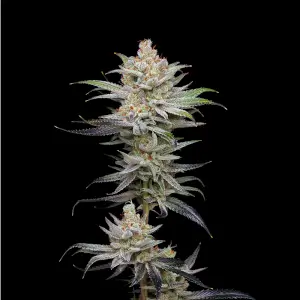

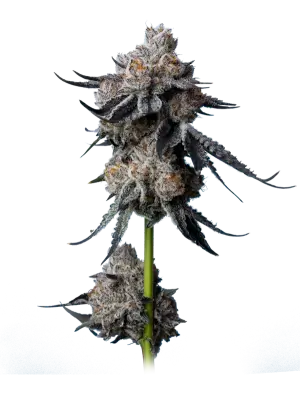
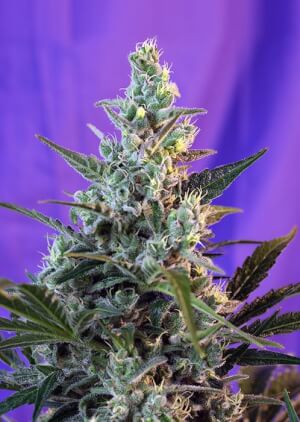
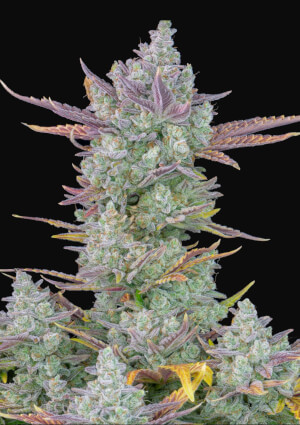
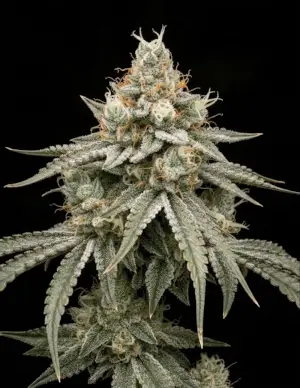
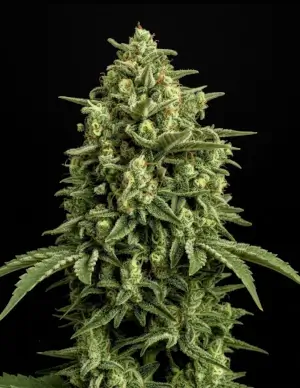
The traits linked to that side are easy to spot in the garden: plants that stretch a lot once flowering starts, long internodes, elongated buds and cycles that can run past ten weeks. As for the experience, users often describe them as more stimulating and creative than Afghan-rooted strains, although everyone responds differently.
What the chemistry shows?
A 2021 study published in Nature Plants analyzed hundreds of samples and found that sativa and indica labels don't form distinct genetic groups. What they did track was a small number of terpenes: sativa-labeled samples had more bergamotene and farnesene, which are associated with tea-like and fruity aromas.
A 2022 study in PLOS ONE, based on nearly 90,000 samples from six US states, identified three major chemical groups. The smallest, led by terpinolene and myrcene, held roughly one in eight THC-dominant samples and carried about twice the expected share of sativa labels.
California's SC Labs groups these strains into a category it calls Jacks & Haze, with terpinolene, myrcene and caryophyllene as the main terpenes and fruity, piney and hazy aromas. Its examples include Trainwreck, Jack Herer, Durban Poison and Super Lemon Haze. Interestingly, the lab notes that many of them are sold as hybrids.
The 2022 study also compared samples sold under the same name. Some strains were remarkably consistent from product to product, but Durban Poison turned out to be “consistently inconsistent,” in the words of co-author Nick Jikomes. It's a good reminder that the name on the jar doesn't guarantee the chemistry inside.
Tropical roots
Most sativa-dominant strains trace back to equatorial and tropical landraces: Thai lines, Colombians like Santa Marta Gold, Mexicans like Acapulco Gold and Oaxacan varieties, and South Africa's Durban Poison. These plants are adapted to long, stable days, and they flower late and slowly.
The key piece was Haze, developed in the early 1970s from tropical genetics by Santa Cruz growers known as the Haze Brothers. It was such a slow sativa that, even in California's climate, it was said to need a greenhouse to finish.
The Haze Brothers grew several types of Haze in Santa Cruz and eventually gave the variety to Sam the Skunkman, along with permission to reproduce and sell the seeds. That's how Haze reached Amsterdam in the 1980s, where it became the foundation for a whole generation of hybrids.
In the Netherlands, Nevil Schoenmakers worked with two Haze males known as Haze A and Haze C. One or both form the backbone of many classic hybrids, including Super Silver Haze, Mango Haze, Skunk Haze and Jack Herer itself.
Featured strains
Jack Herer
Sensi Seeds launched Jack Herer in 1994, after several years of breeding and stabilizing, at a ceremony in the Cannabis Castle. The name honors American activist Jack Herer, author of The Emperor Wears No Clothes, and the strain won the Cannabis Cup that same year.
Its exact genetics are still debated. The most common version lists Haze, Northern Lights #5 and Shiva Skunk, but other sources argue it's based on (Northern Lights #5 x Haze A) x (Skunk #1 x Haze C), with no Shiva Skunk at all. Its aroma blends pine and lime, with prominent terpinolene.
Because of its several phenotypes, flowering can take anywhere from 50 to 70 days. Its influence as a breeding parent is huge: the SeedFinder database lists 321 direct descendants of Sensi Seeds' Jack Herer.
Durban Poison
Durban Poison, from the South African port city of the same name, is one of the few landraces that made it into the modern seed market. It has a sweet, anise-like aroma and a relatively short flowering time for a sativa.
Outdoors it can reach about 9 feet, and its natural resistance to mold and pests makes it a good fit for sunny gardens. It's also one of the parents of Girl Scout Cookies.
Super Lemon Haze
Super Lemon Haze carries the Haze stamp in both its name and its aroma, which is dominated by intense lemon and citrus notes. It handles humidity well and doesn't demand much attention, although it grows tall and needs about 9 weeks of flowering.
Green Crack
According to the most widely told story, rapper Snoop Dogg gave this strain its name after noticing how many customers kept coming back for it. It's often recommended to people who enjoy profiles like Durban Poison or Jack Herer, and in some markets it's available in both sativa-dominant and indica-dominant versions.
West Coast and East Coast sativas
Two American classics round out the group. Blue Dream, a cross of Blueberry and Haze, is associated with Santa Cruz and has become one of the most common strains on West Coast dispensary menus. Sour Diesel, born in New York in the 1990s, brings the fuel and lemon profile of the Diesel family.
Growing tips
The first rule is to plan for the stretch. Sativa-dominant strains grow a lot once they switch to flower, so give them vertical room and keep their size in check with training during veg. Techniques like LST or a ScrOG net help spread the light and keep an even canopy.
The second is patience. Lines with more Haze or Thai heritage can run well past ten weeks of flowering, while hybrids like Jack Herer or Durban Poison finish sooner. Outdoors, the purest sativas need a long, mild fall, or a greenhouse, to complete their cycle.
If you want to choose more precisely, look at the terpene profile when it's available. Prominent terpinolene is usually a better clue to a plant's character than the sativa label alone.
Who they make sense for
Sativa-dominant strains suit growers who enjoy fresh aromas of pine, lemon, spice and incense, and who have vertical space or a long outdoor season. They also appeal to anyone who wants to explore the tropical heritage that shaped modern cannabis.
If you're starting out, Jack Herer or Durban Poison offer sativa character with manageable flowering times. If you have experience and patience, a Haze will show you the profile Santa Cruz growers were chasing half a century ago, with its unmistakable aroma and slow rhythm.