Cannabis seeds













 Alchimia now available in the USA!







Information on Limoncello
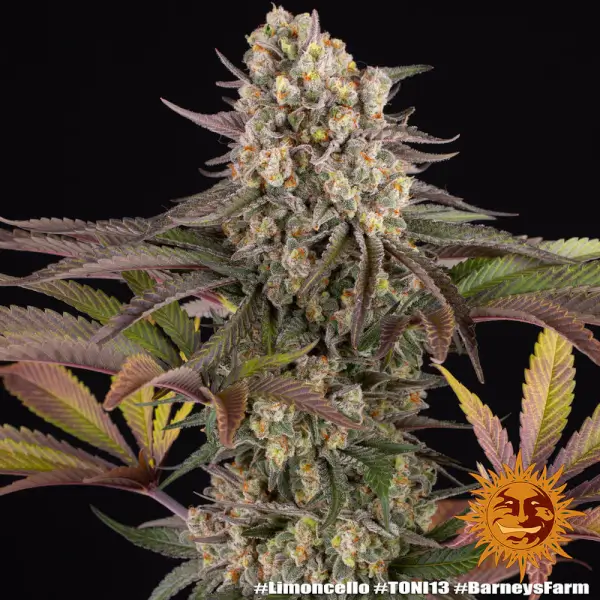
Limoncello is a feminized photoperiod strain from Barney's Farm that blends Original Lemonnade and Cherry Pie into a sativa-leaning plant of roughly 80% sativa and 20% indica. Its buds smell of sharp lemon zest, herbs and flowers over a skunky, gassy base, with a sweet cherry note on the palate. The breeder rates it at around 28% THC, while other figures put it closer to 27%, and the effect leans toward an upbeat, talkative high with a mellow undertone.
The story behind Limoncello
Limoncello first made its name in California's craft cannabis scene, where it also goes by Lemonchello and is closely tied to the Cookies and Lemonnade family of genetics. Numbered cuts such as #10 and #28 reflect the classic phenohunt route, where breeders pop large numbers of seeds and keep only the standout plants.
The name is a straightforward nod to the Italian lemon liqueur, since the citrus aroma is the first thing anyone notices when a jar is opened. Barney's Farm now offers this lemon-and-cherry profile as feminized seeds, so home growers can work with genetics long associated with West Coast dispensary shelves.
Cookies co-founder Berner has singled out Lemonchello as one of his personal favorites, which is high praise from someone whose brand is built on selecting standout cuts.
Genetics and plant structure
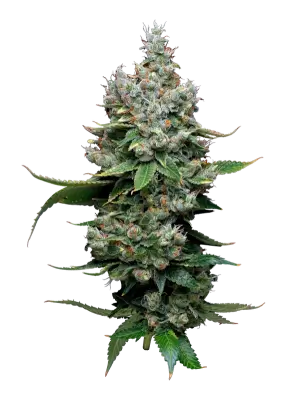
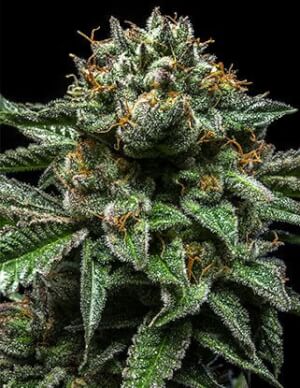
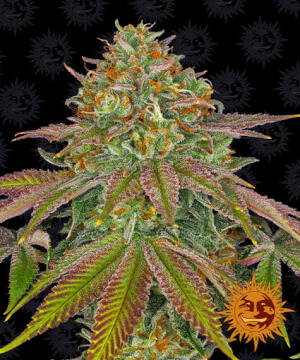
Limoncello carries a sativa-dominant ratio of about 80/20, which shows in branches that stretch readily during vegetative growth. Flowers form compact buds with green and purple tones, bright orange pistils and a heavy coat of resin.
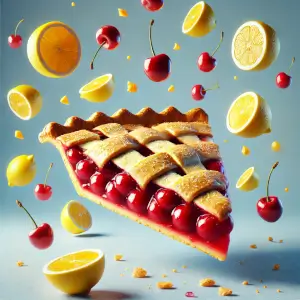
The cross pairs a lemon-forward sativa with a fruity, colorful hybrid, and the result clearly inherits from both sides. The sour citrus edge comes from the Lemonnade line, while the purple hues and cherry sweetness point back to Cherry Pie, whose color tends to deepen when nights turn cooler late in flowering.
Original Lemonnade
Original Lemonnade, spelled with a double n, is a sativa-dominant hybrid credited to Growing Passion and built from Lemon OG and Gorilla Haze. It is known for an aroma often compared to freshly squeezed lemons and for a bright, energetic effect.
The strain also lent its name to Lemonnade, the sativa-focused branch of the Cookies family, which later grew into its own chain of dispensaries in several US states. That makes Limoncello a direct link to a well-known citrus line from the West Coast.
In its own right, Original Lemonnade forms dense, resin-heavy buds with soft orange hairs against light green calyxes. Its flavor sits squarely in lemon, lime and citrus territory, which is exactly the signature it passes on to Limoncello.
Cherry Pie
Cherry Pie is a Bay Area hybrid first bred by a grower known as Pie Guy and later championed by Jigga, head of genetics at Cookies. It combines Granddaddy Purple and Durban Poison, mixing berry-sweet purple indica genetics with the famous South African landrace sativa.
From Granddaddy Purple it takes dense, resinous flowers, plum-colored tones and grape-like sweetness, while Durban Poison adds notes of anise, citrus and pine. Growers commonly find two expressions, one softer and berry-scented and another greener with sharper cherry acidity and more spice.
Cherry Pie was a fixture on San Francisco dispensary menus in the 2000s, and its reddish-purple buds are often compared to the filling of the dessert it is named after. The resin is so abundant that trimming sessions are known for leaving plenty of scissor hash behind.
Growing Limoncello
Indoors, Limoncello stays at a manageable 80 to 120 cm and is usually ready after about 65 to 70 days of flowering, although the breeder also mentions 10 to 11 weeks, and 9 to 10 weeks is also cited. Under good conditions it can produce around 600 g/m², a solid return for a sativa-leaning plant.
Outdoors, plants reach roughly 140 to 200 cm and finish around the second or third week of October in the Northern Hemisphere. The breeder estimates up to 1.5 kg per plant in good outdoor conditions, with some data sheets quoting even higher figures.
The strain shows high resistance to mold and mildew, a useful trait for growers facing damp autumn weather. The breeder considers it easy enough for beginners, while others rate it as intermediate, and growers point out that its branches stretch during the vegetative stage.
Pruning and low-stress training help keep that stretch in check and spread the canopy evenly under the lights. Keeping humidity and temperature steady also helps the plant reach its full yield potential.
Flavor, aroma and effect
The terpene profile is led by limonene, backed by myrcene and caryophyllene, which together build a bright citrus top with earthy, peppery depth. Opening a jar releases lemon, herbs and flowers, followed by pine, hints reminiscent of lemon cleaner and morning tea, and a heavy skunk and gas finish.
On the palate, Limoncello tastes of sweet lemon and cherry with a sour edge that keeps the citrus sharp. Smokers often compare the flavor to lemon bars dusted with powdered sugar, followed by a touch of cherry syrup on the exhale.
The effect opens with an uplifting, creative lift that tends to make people giggly and talkative. As it settles, a mellow, relaxed undertone rounds out the experience without much body weight, which makes Limoncello a natural fit for daytime use, social gatherings or creative work.
Specifications on Limoncello
| Feminized Seeds | |
| Seed bank | Barneys Farm |
| THC Content | Very high (25-30%) |
| Indica/Sativa Genotype | Sativa +60% |
| Flavor | Citrus, Skunk, Gas |
| Moisture/Mold Resistant | |
| Effect | Stimulating |
| Outdoor harvest | Standard (Autumn) |
| Indoor flowering | Standard (10-14 weeks) |
| Indoor yield | Very high (+600 g/m2) |
| Outdoor yield | Very high (+1000 g/plant) |
| Genetics | Cherry Pie, Original Lemonnade |
Questions and answers
Limoncello related products (Barneys Farm)