
 Cannabis seeds













 Alchimia now available in the USA!
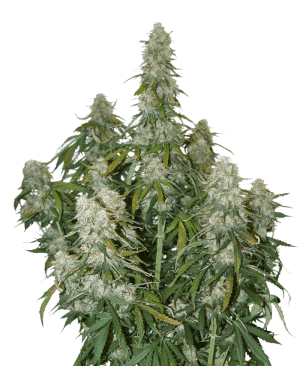

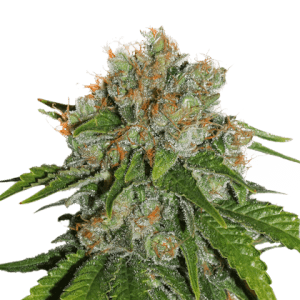
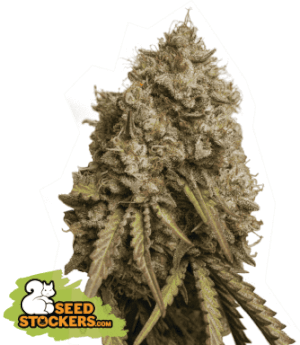
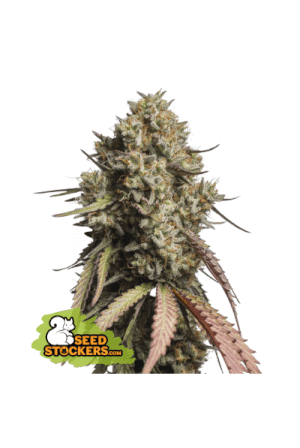
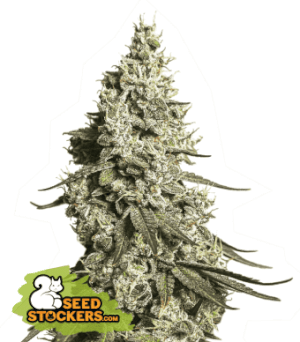
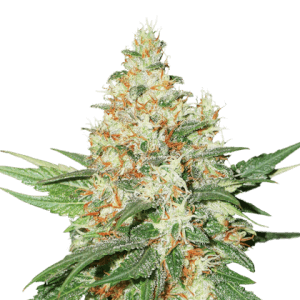

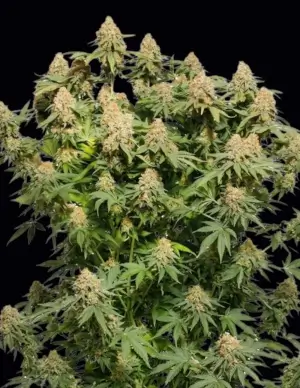
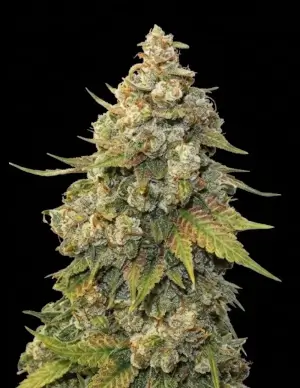
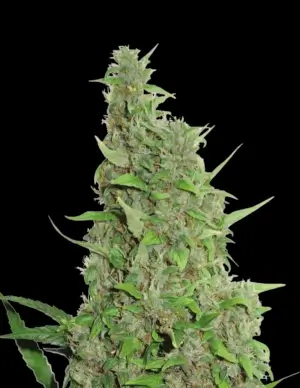
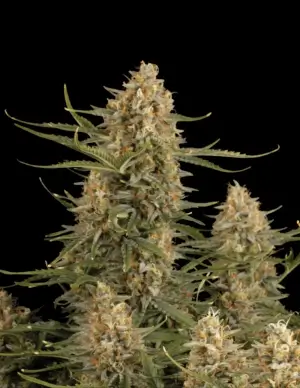
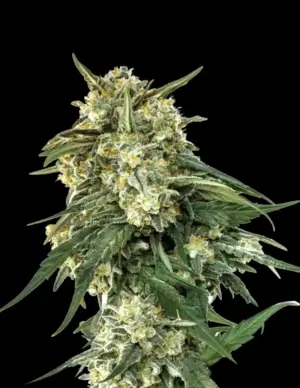
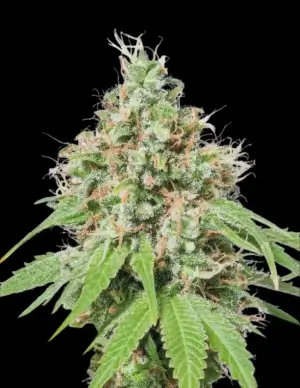
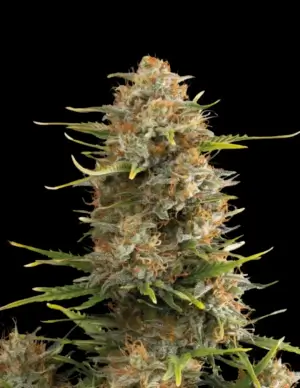

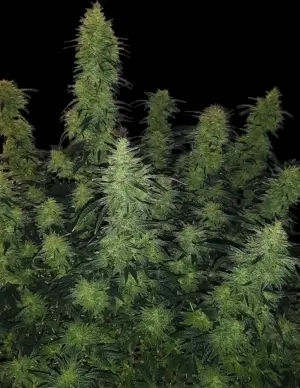
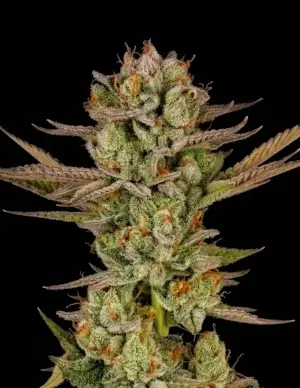
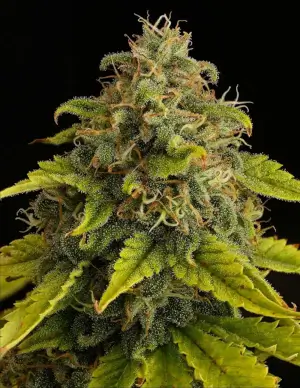
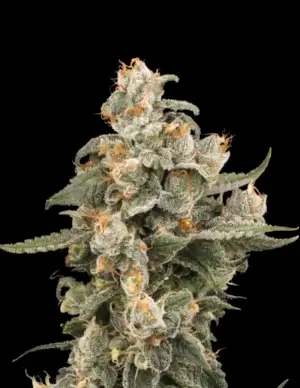

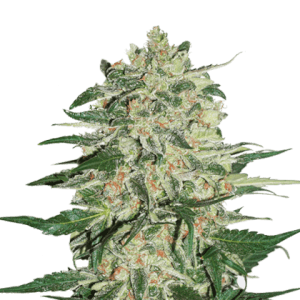
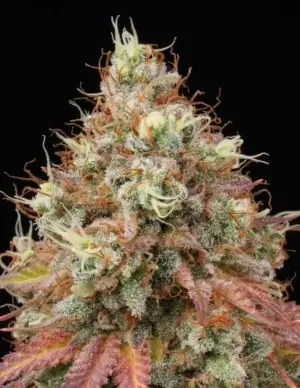
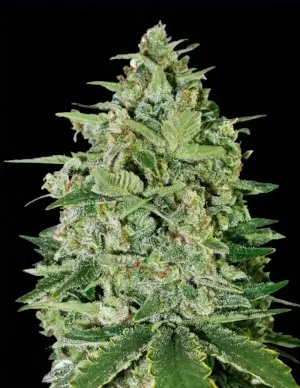
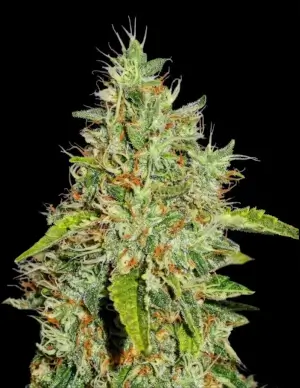
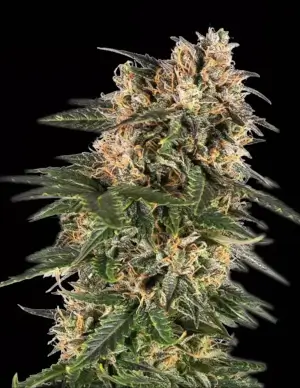


















That study grew out of a legal question. Belgian courts were calculating fines with a 2006 Dutch estimate of 28.1 grams per plant, while police suspected real grows were producing far more. Using modern cultivation techniques, the team set the lower bound for an indoor plantation at 575 grams per square meter, roughly 1.9 ounces per square foot.
An earlier study by the same group had already identified strain choice as one of the main factors that determine indoor yield. In other words, picking the right genetics makes a difference before the first light is switched on.
What drives a harvest
A 2019 meta-analysis in Frontiers in Plant Science reviewed cannabis yields reported in scientific literature. It identified variety, plant density, light intensity and fertilization as key factors, along with pot size, light type and the length of the flowering period.
That list explains why the same seed can perform very differently in two gardens. Genetics set the potential, and the environment decides how much of it ends up on the scale.
Big Bud, the starting point
Many modern high-yield strains trace back to Big Bud. It began in the US in the 1980s as a hybrid of Afghani, Skunk and possibly Northern Lights, then traveled to the Netherlands as a clone to escape the pressure of the war on drugs.
In Holland it was stabilized and crossed with Skunk #1, and that version won the indica category at the 1989 High Times Cannabis Cup. Sensi Seeds lists it with a flowering time of 50 to 65 days and describes extra-large, sweet, resin-coated buds.
The breeder warns that although Big Bud's branches are thick, the weight of its flowers can bend or even break them, and recommends securing the most promising ones with string or wire. On GrowDiaries, several growers agree it is not unusual to see branches snap under their own weight when left unsupported.
Critical and the Big Bud legacy
Mr. Nice Seedbank describes its Critical Mass as a reworked version of Big Bud, built on a heavy Afghani and Skunk #1. The breeder puts its indoor output at 650 to 750 grams per square meter, roughly 2.1 to 2.5 ounces per square foot, and the name is often linked to colas heavy enough to snap branches.
A whole production-oriented family grew from it. Dinafem stabilized Critical+, widely grown across Spain and Europe, and Royal Queen Seeds presents its Critical as a cash-crop indica that finishes in about seven weeks.
Other productive lines
Skunk and Afghan-based genetics show up again and again among high-yield recommendations. Strains such as Super Skunk and White Widow are frequently mentioned for their manageable size and well-defined main cola, and they also work well in systems like Sea of Green.
Breeders have carried the same base into autoflowers. Dinafem credits its Critical+ 2.0 Autoflowering with up to about 600 grams per square meter indoors under optimal conditions, around two ounces per square foot, a figure best read as the breeder's guideline.
Light multiplies the potential
No strain performs without enough light. Researchers at Canada's University of Guelph found in 2021 that dry flower yield rose linearly with light intensity up to about 1,800 µmol·m⁻²·s⁻¹, even though photosynthesis in individual leaves saturated well below that level.
The same team reported that more light did not change product potency but did add weight and made harvests easier. They also cautioned that doubling light does not double yield, and a follow-up study found no commercially relevant benefit from adding ultraviolet radiation.
Density and structure
How plants are arranged matters too. Nadav Danziger and Nirit Bernstein of Israel's Volcani Center found that moving from one to two plants per square meter raised yield per area by 28 to 44% in most treatments, even though each plant produced less.
Other studies reach different conclusions depending on the system, and a 2024 Czech study saw higher yields with fewer plants. The practical takeaway is to match density to the strain, light and available space rather than relying on a fixed number.
The cost of big colas
Productive strains tend to form very dense flowers, and that density comes at a price. Research on botrytis links compact, leafy buds to a higher risk of bud rot, and GrowDiaries describes Critical Mass as particularly susceptible to mold.
That is why relative humidity control and ventilation matter as much as feeding with these genetics. Opening the canopy, removing interior leaves and checking large colas during the final weeks helps the weight these strains promise reach the drying room intact.
Tips for getting the most from productive genetics
Setting up support before flowering saves trouble later. Trellis netting, stakes or wire let branches carry the weight of their colas without bending, something breeders such as Sensi specifically recommend for Big Bud.
Feeding and watering should keep pace with the plant without pushing it into stress. Outdoors, it makes sense to save later-finishing or denser strains for warm, dry climates, where Big Bud performs well according to its breeders, such as much of California and the Southwest.
Choosing a high yield strain means building on genetics proven over decades. With enough light, solid support and a controlled environment, these cultivars turn each square foot into a heavy, predictable harvest.