
 Cannabis seeds













 Alchimia now available in the USA!
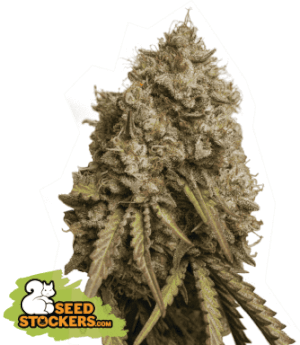
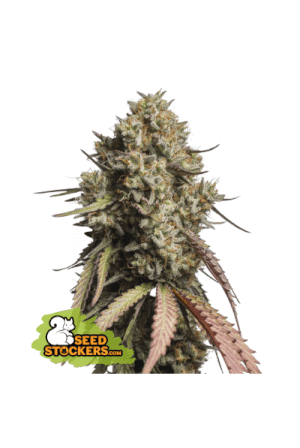
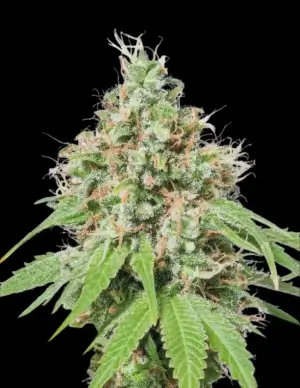
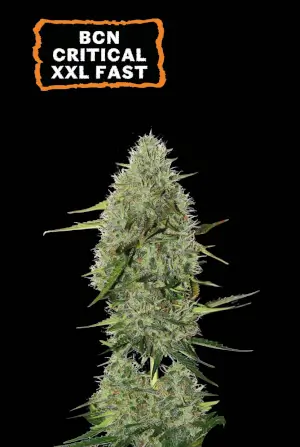
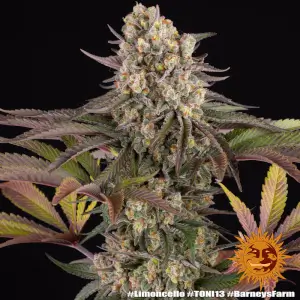
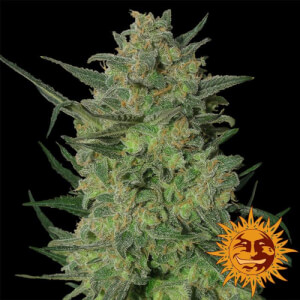
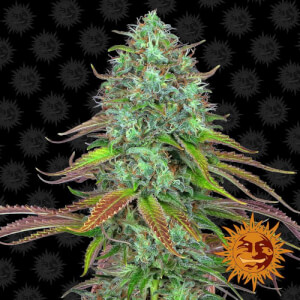
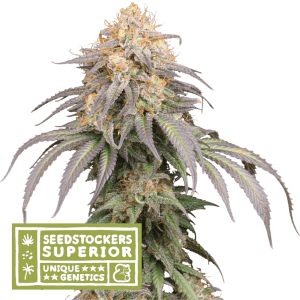
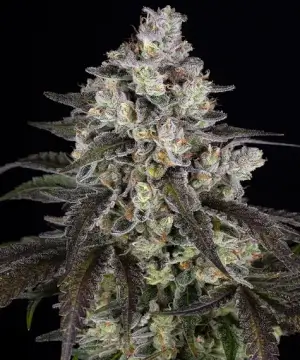

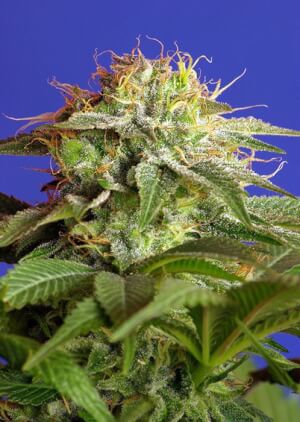
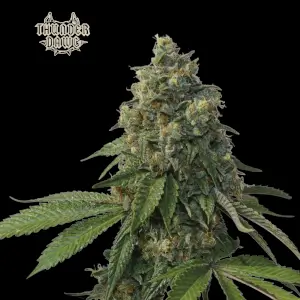
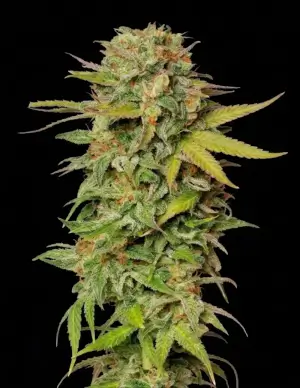
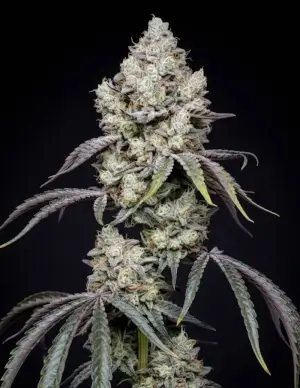
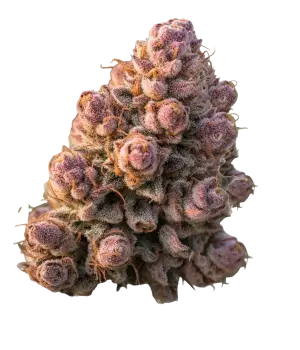
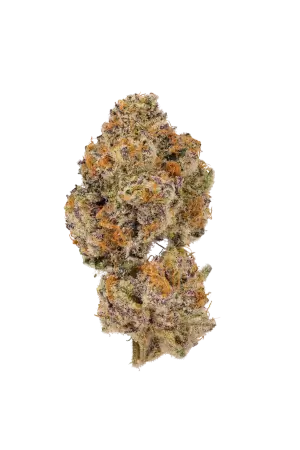
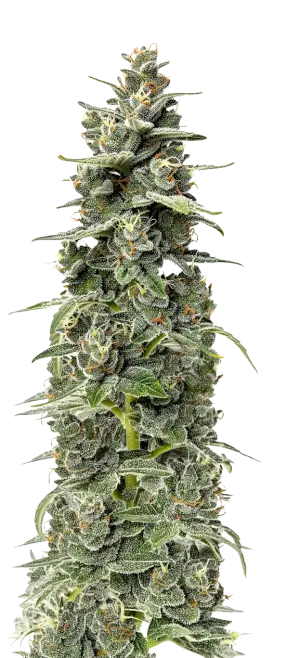
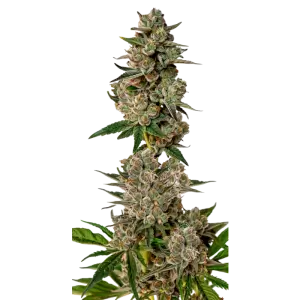
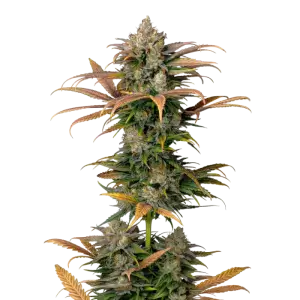

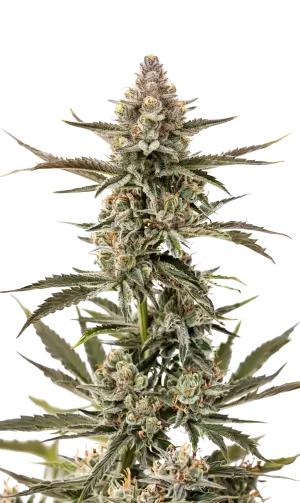
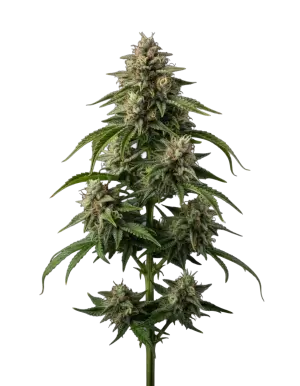
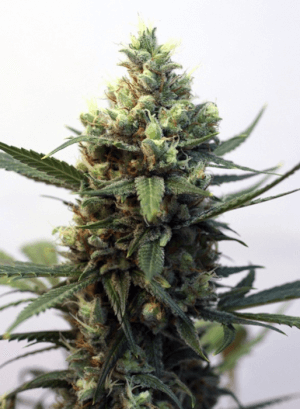
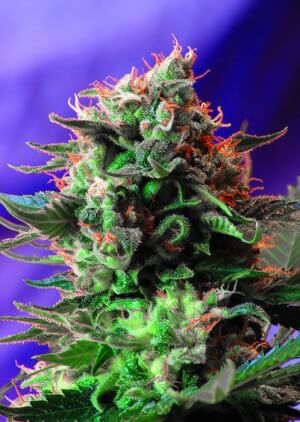
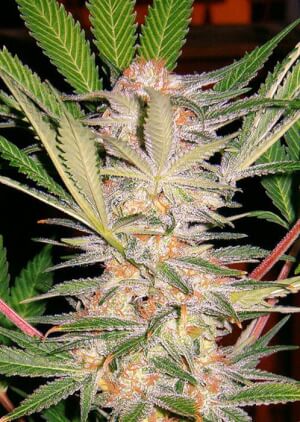
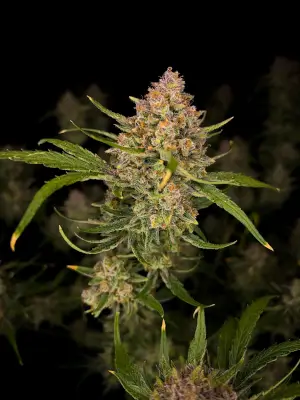
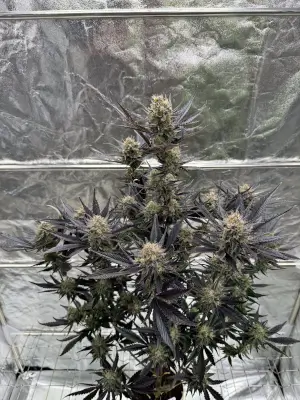

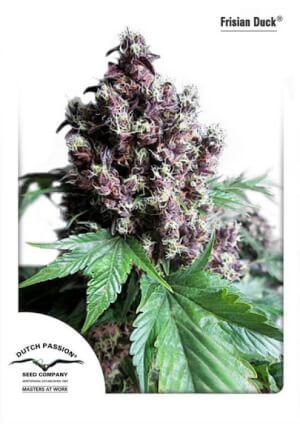
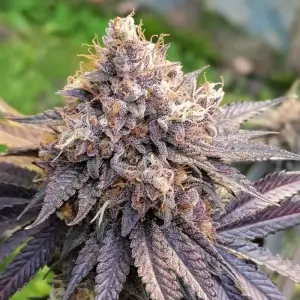
Botrytis usually starts inside the bud, in the densest areas near the nodes where moisture builds up. The outside can look healthy while the inside breaks down, and a common early sign is a single sugar leaf turning yellow in an otherwise green cola. Consultant Ryan Douglas warns that in cool, wet weather it can wipe out a mature crop within a week.
Powdery mildew, mostly caused by Golovinomyces ambrosiae, shows up as white, flour-like patches on leaves and flowers. It is a particular problem in greenhouses, and an analysis of 19 samples bought at Northern California dispensaries found this fungal genus on 15 of them, a sign that it also affects post-harvest quality.
The genetics of resistance
For years, powdery mildew resistance rested on grower observations, with no peer-reviewed studies showing how it was inherited. That changed in 2021, when Paul Mihalyov and Andrea Garfinkel of Dewey Scientific and Oregon CBD described PM1, the first documented resistance gene in cannabis.
PM1 appeared in an experimental line called PNW39, grown in a greenhouse under heavy disease pressure. The gene behaved as a single dominant trait across two separate genetic backgrounds totaling 185 F1 plants, and the authors developed a qPCR marker to track it in breeding programs.
A second route was published in 2024: a mutation in the susceptibility gene CsMLO1. When the resistant cultivar FL 58 was crossed with TJ's CBD and the offspring selfed, about 25% of the 706 F2 plants were resistant, a pattern typical of a recessive trait. A 2025 study added a third locus, PM2, located on chromosome 9.
These findings apply to powdery mildew and do not automatically carry over to botrytis, which depends more on plant architecture and the microclimate inside the flower. That is why a strain can be highly tolerant of powdery mildew and still suffer bud rot in a rainy fall.
Flower structure makes the difference
Punja's research points to one specific trait: the number of inflorescence leaves. When four genotypes were compared, susceptibility to botrytis rose with the number of leaves inside the bud, because they create a humid microclimate that helps spores germinate.
A follow-up study analyzed more than 2,000 samples from a commercial greenhouse over three years. Genotypes with fewer inflorescence leaves, fan-driven airflow during ripening, hang-drying whole stems and drying to 12–14% moisture, with a water activity of 0.65 to 0.7, were all linked to lower yeast and mold counts.
In that same work, the sativa-type genotype showed botrytis susceptibility below 1%, while several indicas exceeded 5%. It is not an absolute rule, since some indicas also scored low, but it confirms that less compact buds and an early finish are real advantages in wet climates.
Strains selected out in the weather
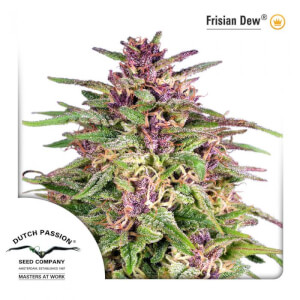
Many strains known for resistance were selected outdoors, culling the plants that rotted year after year. A well-documented example is Frisian Dew from Dutch Passion, born in the Dutch province of Friesland by crossing Super Skunk with Purple Star and selected over several years for early, hardy plants.
Frisian Dew won the Highlife Cup the same year it was released and has remained the breeder's go-to outdoor strain for two decades. It usually finishes in early October in Northern Europe, and the breeder notes it also performs in Canada and the northern US, while many plants turn purple as nights get colder. Its autoflowering version is ready about 11 weeks after germination.
On GrowDiaries, one grower who had a very dry season said he lost nothing to mold with Frisian Dew. Another admitted that even this strain could not handle his outdoor conditions without fungus, and that he waited months to post harvest photos because there was little worth showing.
That gap between experiences captures the nature of resistance well. Genetics widen the margin, but the outcome depends on each season's weather, the site and whether the strain finishes before the fall rains.
Why few breeders work on this trait
Selecting for resistance means growing large populations outdoors and exposing them to real disease pressure, which is slow and expensive. David Bonvillain of Elite Botanicals in Colorado believes most breeders focus on hype, flavor and potency, and suggests asking whether a strain has actually been tested out in the field.
Jade Stefano of Puffin Farm, an outdoor operation in Washington State, sees choosing botrytis-resistant cultivars as the protection that matters most. In her experience, covering plants during rain does little, because condensation still reaches the flowers and the cover cuts airflow.
Growing tips to lower the risk
Airflow is the first line of defense. Good air circulation through the canopy, thinning interior leaves and spacing plants so they do not crowd each other all reduce the humid pockets where spores germinate. Experts stress that what matters is how long the plant stays wet, more than how much rain falls.
After a downpour, gently shaking plants removes trapped water and shortens drying time. Washington grower Melissa Beseda recommends checking large colas daily, especially those facing away from the sun, and harvesting trouble spots early instead of risking the whole plant.
To show how much fast drying matters, Professor Brian Jackson of North Carolina State University recalled that some Washington cherry growers hire helicopters to hover over their orchards after rain, drying the fruit before the water can split it.
If a soaked crop has to come down, avoid packing wet flowers together on the way to the drying room and strip as much leaf as possible. Douglas suggests drying for the first 48 hours at around 75–85°F with several fans, then returning to the usual 65–75°F range.
Where these strains make the difference
These cultivars make particular sense in regions with cool, rainy falls, such as the Pacific Northwest, where the land west of the Cascades calls for constant attention to mold. They are also useful in the hot, humid East and Southeast, in greenhouses and in indoor rooms where keeping relative humidity in check is hard.
Choosing a mold-resistant strain ultimately means buying margin against something no grower controls: the weather. Combined with good airflow, staggered harvests and careful drying, these genetics can turn a difficult season into a usable harvest.