
 Cannabis seeds













 Alchimia now available in the USA!
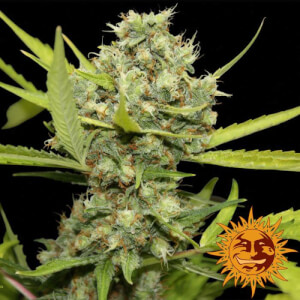
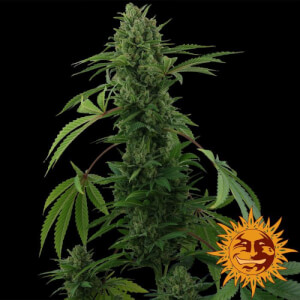
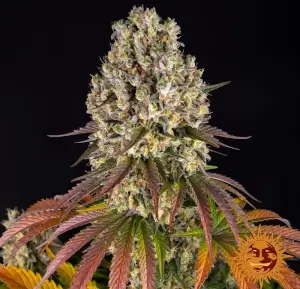


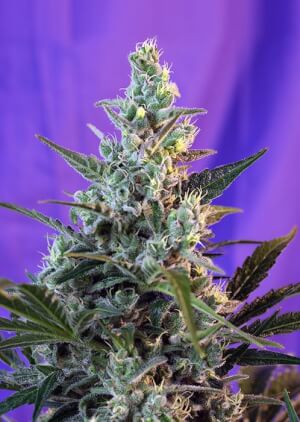
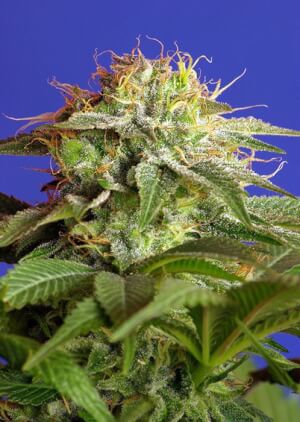
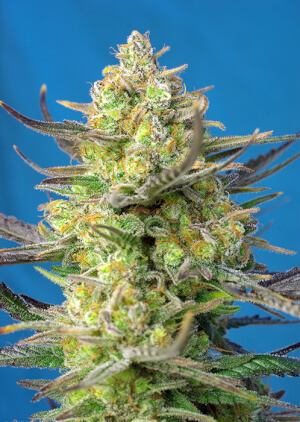
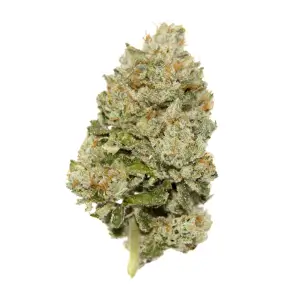
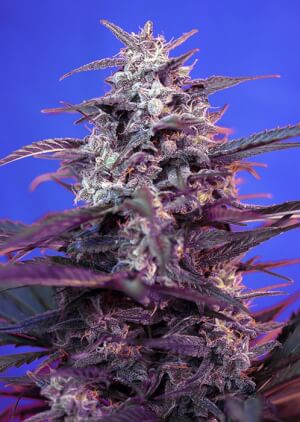
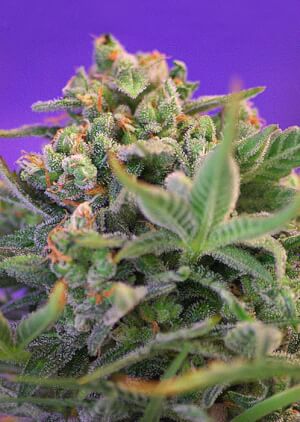
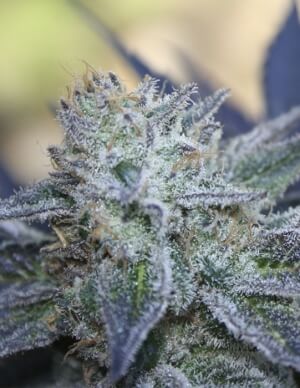
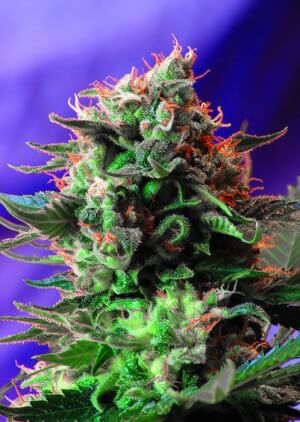
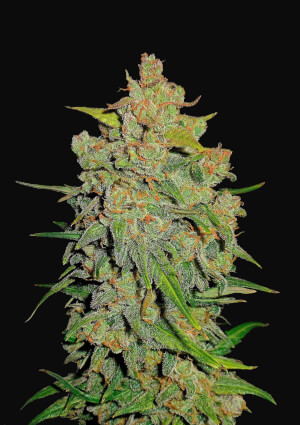
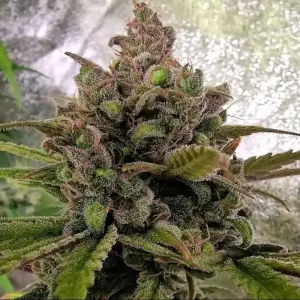
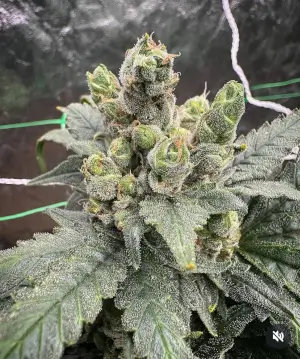
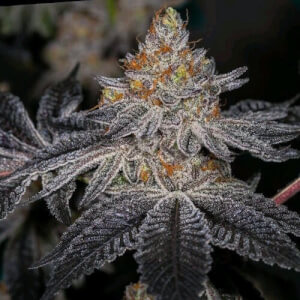

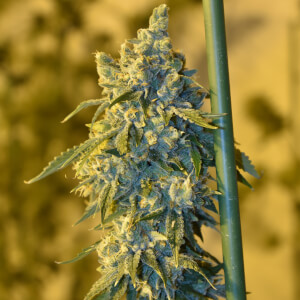
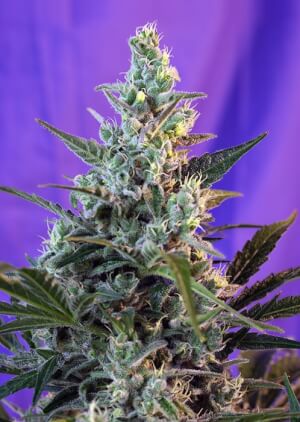

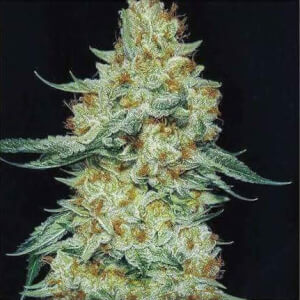
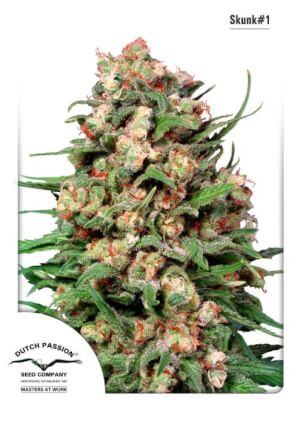
According to Sensi Seeds, the original cross was Afghan with Colombian, but it matured too late, so it was combined with Acapulco Gold to shorten flowering. Watson later described Skunk #1 as a three-way hybrid that showed minimal segregation, which made it unusually consistent for its time.
Some accounts add nuance to that pedigree. High Times has noted that grow author Ed Rosenthal suspects some Thai genetics may also be in the mix, although this has never been publicly confirmed by the breeders.
Sacred Seeds and Sam the Skunkman
The breeder most associated with Skunk is David Watson, later known worldwide as Sam the Skunkman. He was a key member of Sacred Seeds, a Northern California collective that the Santa Cruz weekly Good Times describes as the first cannabis seed company in the country.
Sacred Seeds refined Skunk #1 through repeated selection and offered it to the public, and High Times dates the first seed release to 1976. The goal, according to Good Times, was to tame the enormous height of the Colombian sativa and make the plant friendlier for growers.
Good Times tells the story of a reader named Wayne, who in 1978 bought 100 seeds of a strain called Flying Skunk from David Watson for about a dollar each. Life got in the way and he never planted them, which led the paper to research the seeds and, eventually, to an email from Sam the Skunkman himself describing the three-way cross.
From Watsonville to Amsterdam
In 1982 police raided Watson's seed operation in Watsonville. Good Times reports the legend that he slipped back onto the scene and recovered around 250,000 hidden seeds, which he took to the Netherlands and to Nevil Schoenmakers of The Seed Bank of Holland.
Dates for the move vary between accounts, with Wikipedia placing his relocation in 1985. In the Netherlands he founded Cultivator's Choice, one of the early formal seed companies, and worked with Mellow Yellow coffeeshop owner Wernard Bruining.
Vice opened its history of the strain with a scene from spring 1985: a heavy-set American landing at Schiphol airport with a box of seeds, going by David Watson, Sam Selezny or, as he would soon be known, Sam the Skunkman.
Skunk quickly found a home in the Dutch breeding scene. High Times lists Skunk #1 as the winner of its first Cannabis Cup in the Netherlands, and Sensi Seeds added the strain to its catalog in 1988. Watson died on January 27, 2025.
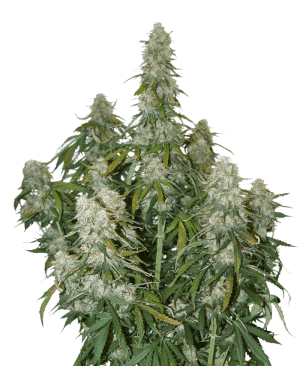
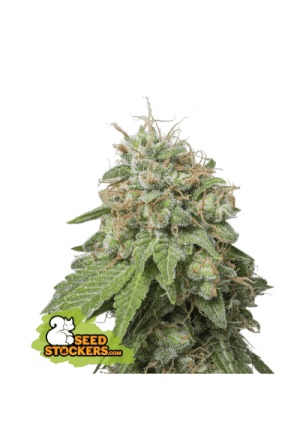
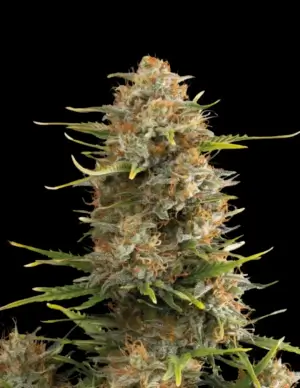
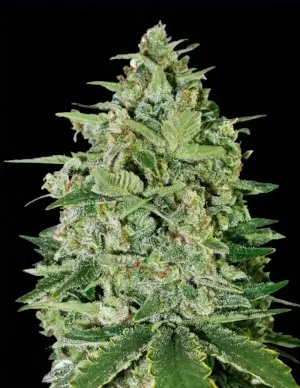
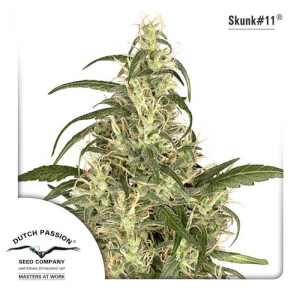
What a Skunk plant looks like
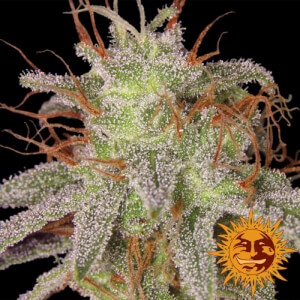
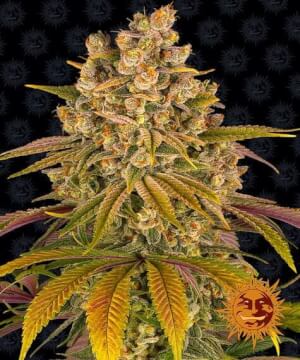
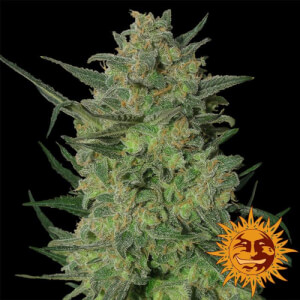
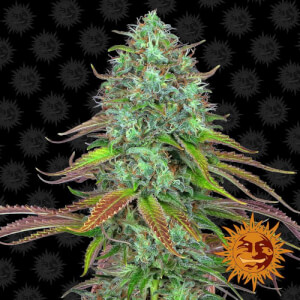
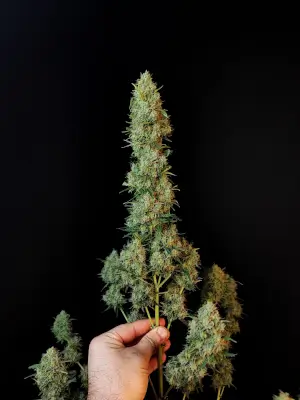
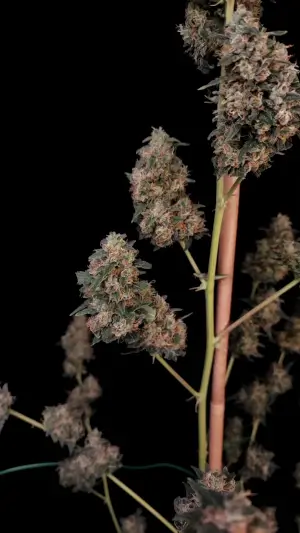
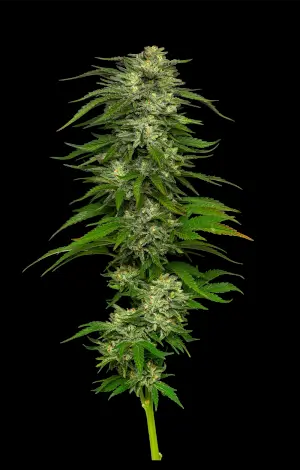
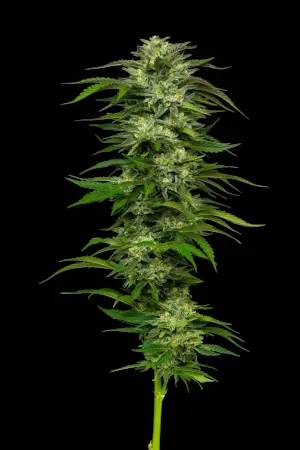
Skunk #1 is generally described as an indica-leaning hybrid, with Sensi listing it at around 65% indica. Growers can expect dense, chunky buds and heavy colas, with flowering usually quoted at around nine to ten weeks.
Phenotypes can lean toward the earthy, Afghani side or toward a brighter, citrus-sweet sativa expression. Its reputation for resilience and adaptability is one reason so many breeders have used it as a base for new lines.
The chemistry of the skunk smell
For years, growers assumed terpenes explained the skunky aroma. A 2021 study in ACS Omega by Iain Oswald and colleagues, including Mario Guzman of Sherbinskis, found instead a family of prenylated volatile sulfur compounds responsible for the scent.
The main odorant was 3-methyl-2-butene-1-thiol, also known as prenylthiol, the same molecule behind the flavor of beer that goes off after light exposure. Adding it at about 1% dilution to a blend of other cannabis aroma compounds immediately recreated the skunk-like scent of the flower.
The study also found that these compounds rise sharply toward the end of flowering, peak during curing and drop substantially after about a week of storage. The researchers suggest that genetics, cultivation and storage conditions all influence how much of that aroma survives.
Super Skunk and Sensi's Skunk line
Amsterdam seed companies like Sensi Seeds and Dutch Passion received Skunk genetics in the 1980s and still sell Skunk #1 today. Sensi developed Super Skunk by taking the line back to its Afghan roots, made possible by a wave of fresh Afghani cultivars entering its gene library at the end of the decade.
Super Skunk is usually described as shorter and chunkier than Skunk #1, with denser resin and the same pungent nose. Sensi also released Shiva Skunk, a cross with Northern Lights #5, and a version blending Skunk #1 with Hindu Kush.
Cheese, the British branch
Cheese began as a single plant from a pack of Sensi Skunk #1 seeds grown around 1988 or 1989 somewhere in the Chiltern Hills, according to Cannabis NI. That female produced large buds with a distinctive cheesy odor and was quickly cloned.
Around 1995 a clone reached Exodus, an alternative community near Luton known for free parties and pro-legalization activism, which is why the strain is often called Exodus Cheese or UK Cheese. Big Buddha Seeds later crossed the cut with an Afghani male to create a seed line, and Green House Seeds released a feminized Exodus Cheese.
For years Cheese circulated only as clones, passed among growers lucky enough to get a cutting. Cannabis NI notes that its history became confused and distorted over time, a common fate for strains that spread hand to hand long before anyone thought to document them.
Skunk in modern pedigrees
Beyond its named offshoots, Skunk runs through a long list of hybrids. Seed banks list Super Silver Haze as Skunk x Northern Lights x Haze, and Skunk genetics also appear in Critical Mass, Blueberry Skunk, Blue Cheese and Big Buddha Cheese.
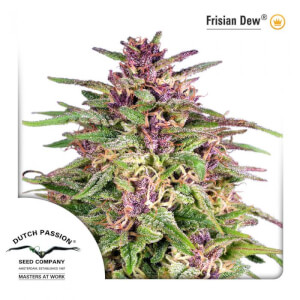
Many outdoor strains also draw on Skunk. Frisian Dew from Dutch Passion, for example, crosses Super Skunk with Purple Star, and Skunk-based plants remain common choices where growers want vigor and a reliable finish.
A name that became a word
Skunk's influence stretched well beyond seed catalogs. By the 1990s the name had become shorthand for potent, pungent indoor flower, and in Britain prohibition-era cultivation relied heavily on Skunk-family genetics, with Cheese becoming synonymous with high-odor indoor cannabis.
That aroma remains polarizing. Oswald has noted that while many people find prenylthiol repellent, some consumers actively seek out skunky flower and treat it as a marker of quality.
Growing Skunk genetics
Skunk lines earned their reputation through consistent, productive growth, and many modern versions are sold as feminized and autoflowering seeds. The trade-off is odor: because the sulfur compounds peak late in flowering and during curing, carbon filtration or discreet outdoor sites matter for many growers.
Selection still pays off. Hunting through several plants lets growers choose between the earthy, Afghani-forward expressions and the sweeter, citrus-leaning ones, and that same process is how a single pack of Skunk #1 seeds once produced Cheese.