
 Cannabis seeds













 Alchimia now available in the USA!


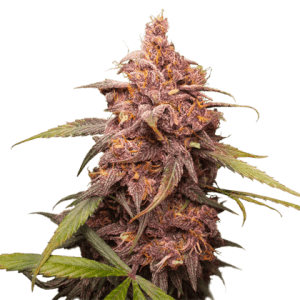

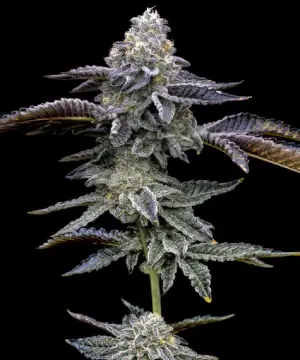


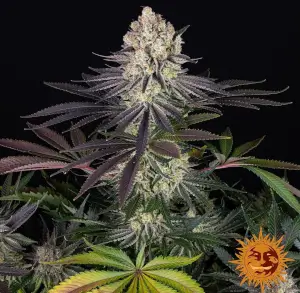
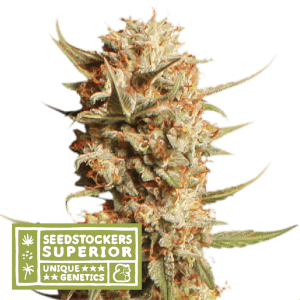

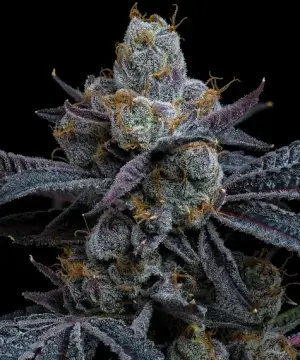


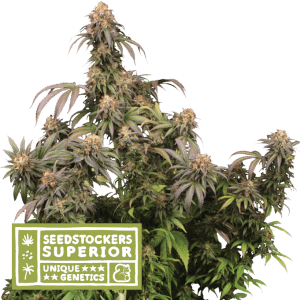







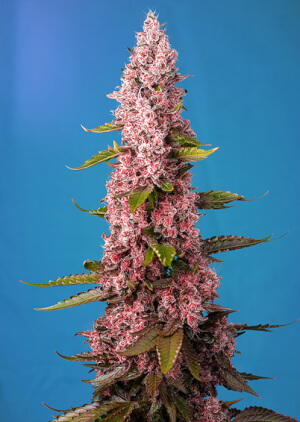
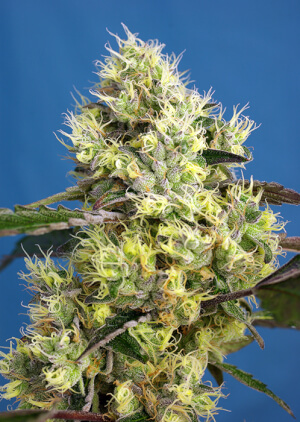



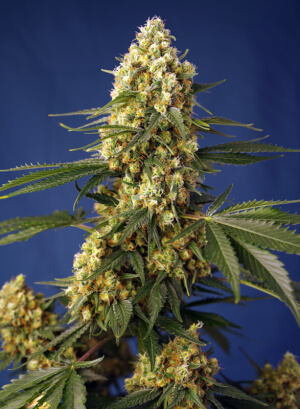
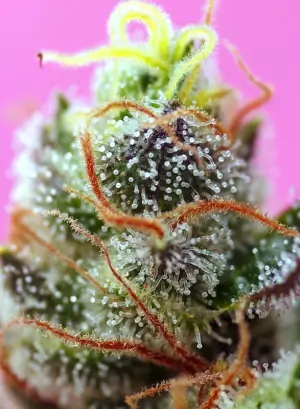



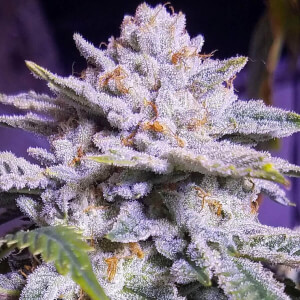
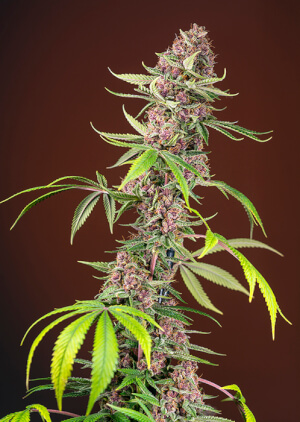


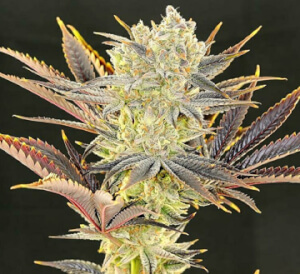





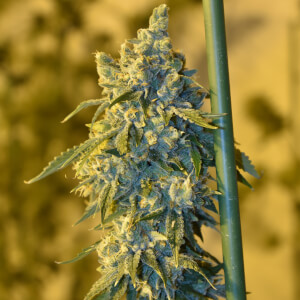

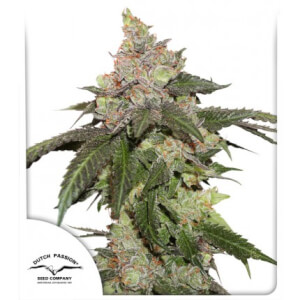




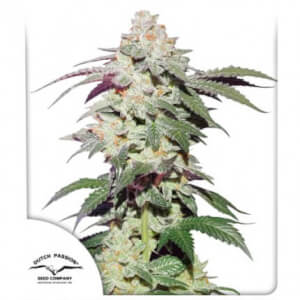

In practice, the vegetative stage lasts one to two weeks, sometimes less. Rooted clones usually need 7 to 10 days before switching to 12/12, while seed-grown plants need 10 to 14 days to reach a workable size.
How an SOG grow is set up
The most common rule of thumb is one to two plants per square foot, in small containers of roughly one to two gallons. Square pots make better use of the space, and the limited root zone helps keep plants short and focused on the main top.
Lower branches that receive little light are removed during the cycle and often rooted as clones for the next round. That step improves airflow under the canopy and feeds a perpetual harvest system, with one batch flowering while the next one roots.
On a Growers Network forum, an Arizona grower recalled running 25 single clones in one-gallon fabric pots inside a 4x4 tent during his SOG years. Another member suggested adding a new row of clones each week to an ebb-and-flow tray, so small plants could be harvested on a rolling schedule.
What research says about density
Scientific data supports the core idea of the method, with some nuance. Nadav Danziger and Nirit Bernstein of Israel's Volcani Center found that moving from one to two plants per square meter reduced yield per plant but raised yield per area by 28 to 44% in most treatments.
The same study showed the cost of density: more leaf drying at the bottom of the plant, more elongation and lower cannabinoid levels in the lower flowers. Treatments that removed lower branches or opened the plant to light improved chemical uniformity, which lines up with standard SOG pruning.
Other work shows there is no universal density. A 2024 Czech study found higher yield per square meter with fewer plants in its system, and a 2019 meta-analysis in Frontiers in Plant Science identified variety, plant density, light intensity, fertilization, pot size and flowering length as factors that drive yield.
Traits to look for in an SOG strain
The first is a dominant-cola structure with little tendency to branch. Plants that throw many side branches compete with their neighbors for light and break up the even canopy.
The second is moderate stretch after the flip. In a dense grow, strains that shoot upward create an uneven canopy where shorter plants end up shaded.
The third is short, predictable flowering. The sooner a cycle ends, the more harvests fit into a year and the less time pests and fungi have to take hold, which is why indica-dominant genetics are the usual choice.
Clones or seeds
Many growers prefer working with clones from a single mother, since they guarantee identical plants in height, pace and harvest timing. In a system that depends on uniformity, that consistency matters as much as the genetics themselves.
Feminized seeds can also work, as long as the strain is stable and uniform. A line with very different phenotypes can produce plants of mismatched heights and finish times, which in SOG means an uneven canopy.
On the same forum, a grower who ran GSC in both one-gallon and five-gallon pots noticed the one-gallon plants clearly lagged behind, while a Snow White in a small pot was building fat, dense bud sites with no trouble. It is a good reminder that each strain responds differently to a tight root zone.
Strains and families that fit
Classic Afghan and Skunk-based genetics have been used in SOG for decades. White Widow, Big Bud and Super Skunk show up often among recommendations thanks to their short stature and well-defined main cola.
The Critical family, built on Afghani and Skunk #1, fits well because of its fast finish and concentrated production; Royal Queen Seeds describes its Critical as a cash-crop indica that finishes in about seven weeks. The breeder also recommends strains such as Grape Ape, Critical Kush, Wedding Cake and Gelato 44 for this method.
Sativas are harder to manage because of their height and stretch, but they are not ruled out. Some growers run Amnesia or Super Silver Haze in SOG by topping them a few days before the switch to 12/12 to slow vertical growth.
The risk that comes with density
A sea of tightly packed plants creates its own microclimate. With poor ventilation, humidity builds up between the colas, and strains with very dense flowers, like many indicas, become more vulnerable to botrytis in the final weeks.
That is why lower pruning, constant airflow and relative humidity control are as much a part of the method as strain choice. Removing leaves that shade the main colas also helps light and air reach the inside of the canopy.
Tips for an efficient SOG
Before filling the room, it pays to run a test with the chosen strain. That shows how much it stretches, how many days it needs to finish and what the right density is for that space and that light.
Light intensity is another key factor, because in SOG every top sits at roughly the same height and receives similar light. A flat, well-lit canopy lets each plant contribute a cola of similar size, which is exactly what the method aims for.
Choosing a strain for SOG means betting on consistency. With compact, uniform and fast genetics, the grow becomes a predictable rotation of harvests in which every square foot of the room is put to efficient use.