
 Cannabis seeds













 Alchimia now available in the USA!
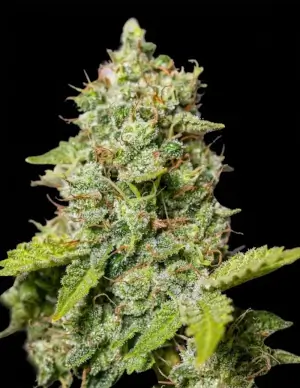
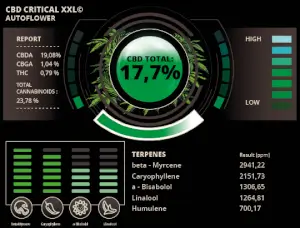
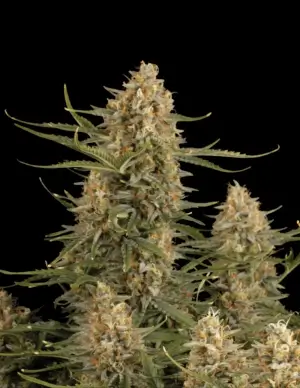
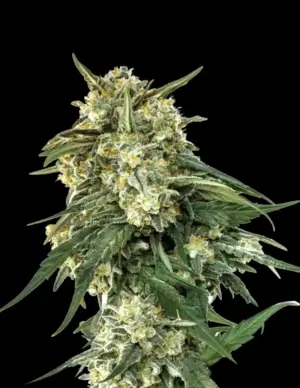
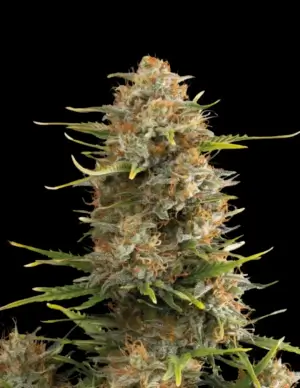


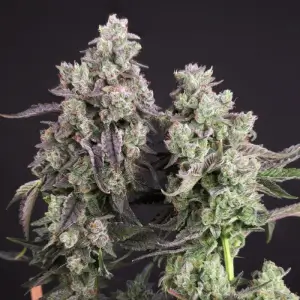

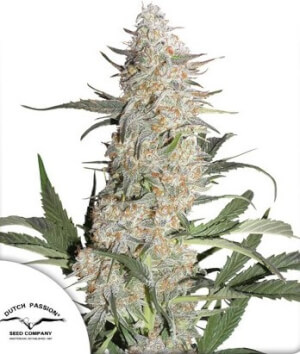
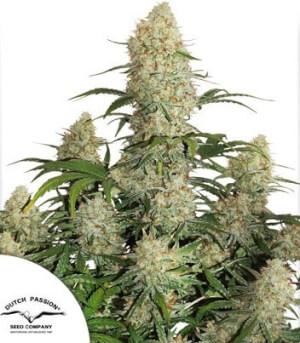
That Skunk #1 is presumably the line developed by David Watson, or Sam the Skunkman, at Cultivator's Choice. The Afghan side contributes compact structure, thick calyxes and resin, while Skunk adds vigor and a familiar sweet-skunk aroma, which places Critical firmly within the wider Skunk lineage.
The Mr. Nice team
Critical Mass is credited to Shantibaba, the breeding name of Scott Blakey, working at Mr. Nice Seedbank. He founded the company in 1998 together with Nevil Schoenmakers and Howard Marks, the former smuggler known as Mr. Nice, after leaving Green House Seed Company.
Shantibaba's departure from Green House is part of one of the better-known rivalries in Dutch cannabis, with Arjan Roskam on the other side. The Denver-based outlet The Cannabist described it as a dispute dating back decades, and the new partnership with Nevil and Howard Marks produced Critical Mass and Black Widow.
A name with a double meaning
The name is usually linked to the plant's oversized, heavy colas, which can grow dense enough to snap branches that lack support. In that sense, the plant reaches a critical mass of its own, and many growers stake or trellis it for exactly that reason.
Mr. Nice has also offered a cruder explanation. Cannigma notes that the breeder likened the strain's swollen colas to a donkey's anatomy, and the site joked that the effect suits sinking a critical part of yourself into the couch at the end of the day.
What a Critical plant delivers
Mr. Nice lists Critical Mass at around 650 to 750 grams per square meter indoors and says outdoor plants in the northern hemisphere should be ready in September. Other sources describe a flowering period of roughly 6 to 8 weeks indoors, which explains its appeal for growers on tight schedules.
THC is commonly quoted in the high teens to low 20s. Users tend to describe a calm, creative effect at lower amounts that turns heavier and more sedating as consumption rises, with an earthy, musky, skunky aroma that calls for carbon filtration indoors.
The same density that makes Critical productive also makes it vulnerable. GrowDiaries notes that Critical Mass is particularly susceptible to mold, and research on bud rot has linked larger, denser inflorescences to higher botrytis risk because they trap humidity.
That is why experienced growers keep humidity low and airflow strong in late flower. Outdoors, Critical's early finish helps it beat the autumn rains, but in wet regions growers still check the largest colas often and harvest affected sections early.
How Critical took over Spain
Critical Mass became especially prominent in Spanish cannabis circles. Dinafem, a Spanish seed company founded in 2005, wrote that Critical had become the best-known and most intensively cultivated variety in Spain, calling Shantibaba, Nevil and Mr. Nice the godfathers of the country's most popular genetics.
Dinafem worked the line into Critical+, a feminized selection from Critical Mass genetics chosen for uniformity in height, stretch and finishing time. Critical+ became one of the best-selling varieties in Europe during the 2010s, valued by commercial growers for its output.
A Dutch seed shop owner wrote that Critical has become one of the most cultivated strains in Spain and recalled regularly smoking it on the beach during holidays on the Costa Brava, a small sign of how common the strain became along the Mediterranean coast.
Critical Jack, Critical Kush and other crosses
Critical Jack came out of Spain when Dinafem pollinated Critical+ with a Jack Herer male from Sensi Seeds, adding Haze-influenced fruitiness to a high-yield base. Dinafem lists it as a 50/50 hybrid that can reach up to 3 meters outdoors, and Blimburn's version took first place for sativa at the 2013 Expo Cannabis Spain.
Dinafem also crossed Critical+ with Cheese to produce Critical Cheese, a hybrid with long branches, an open structure and a strong aroma. Critical Kush pairs Critical Mass with OG Kush, adding citrus, spice and pine to the earthy base.
Many other houses released their own takes. Royal Queen Seeds' Critical is marketed as a cash-crop indica that finishes in about seven weeks, and Spanish breeders such as Pitt Bully offered versions like Masa Crítica, built on the same Afghani and Skunk core.
Autoflowering and CBD versions
Critical's speed and yield made it a natural base for autoflowers. Critical+ 2.0 Autoflowering from Dinafem crosses the line with ruderalis and can reach around 600 g/m² indoors under good conditions, while Royal Critical Automatic is ready roughly nine weeks after planting.
The family also has a balanced branch. Mr. Nice worked with CBD Crew to create CBD Critical Mass, a chemotype aiming for a roughly 1:1 THC to CBD ratio that keeps the line's productive structure.
A category as much as a strain
With so many versions on the market, Critical now works almost as a category descriptor for Afghani and Skunk expressions optimized for yield. Cannigma notes that Critical in a strain name usually points to Critical Mass ancestry, but recommends confirming the actual lineage before buying.
Its reputation also rests on ease of growing. The line's stability and forgiving nature have made it a teaching strain for beginners and a dependable option for experienced growers who prioritize predictable harvests.
Growing Critical genetics
Critical plants respond well to training and support, since heavy colas can bend or break stems late in flower. Trellis netting or stakes, along with moderate defoliation to open the canopy, help keep buds upright and improve airflow around the densest sites.
Environmental control is the other key. Keeping relative humidity in check during the last weeks, spacing plants generously and drying the harvest carefully let growers enjoy Critical's speed and weight without losing part of the crop to the mold that dense genetics invite.