
 Cannabis seeds













 Alchimia now available in the USA!


A 2021 study published in Nature Plants stresses that difference, noting that the commercial Sativa and Indica labels should not be confused with the taxonomic names. That is why some botanists prefer to describe drug-type cannabis in terms of narrow-leaf and broad-leaf types.
What the genetics show
A team led by Sean Myles of Dalhousie University, working with researchers from Wageningen, analyzed more than 100 samples genotyped at over 100,000 genetic markers. Across the whole genome, samples labeled sativa and indica were genetically indistinct, and overall genetic structure explained only 37% of the variation in labeling.
The differences showed up in specific terpenes. Sativa-labeled samples were linked to higher bergamotene and farnesene, which carry tea-like and fruity notes, while indicas showed more myrcene, guaiol and eudesmols tied to an earthy aroma. The authors suggest breeders have been assigning labels mainly by smell rather than by ancestry.
An earlier study by Sawler and colleagues in 2015 analyzed 81 strains and found cases where a sativa was more similar to an indica than to other sativas. These findings explain why it makes more sense today to look at documented geographic origin and the chemical profile rather than the label alone.
What a sativa plant looks like
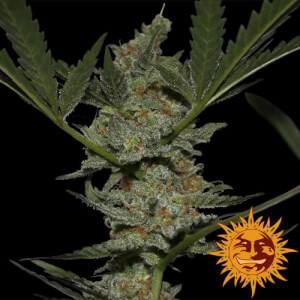
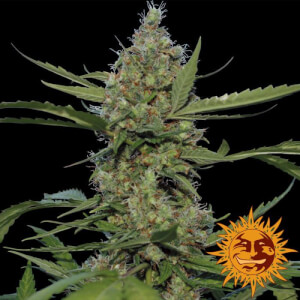
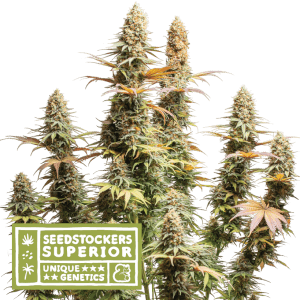
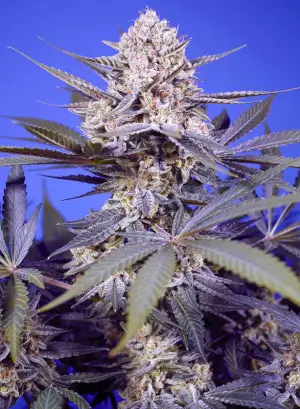
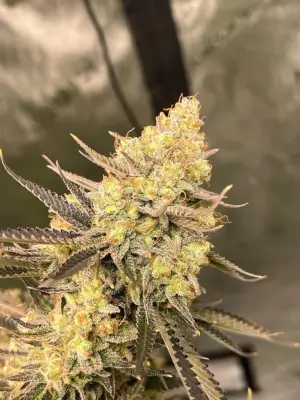
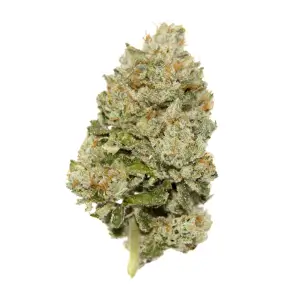
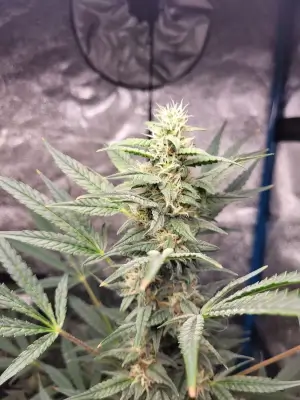
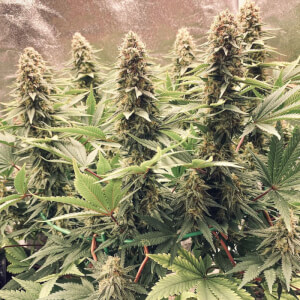
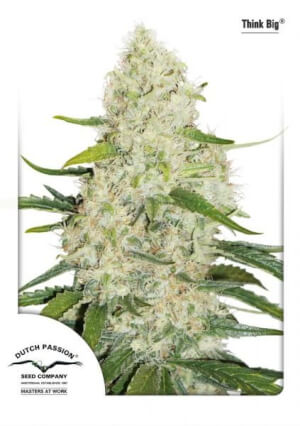
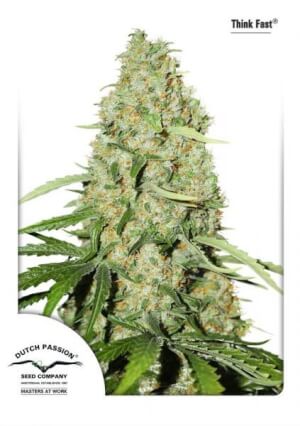
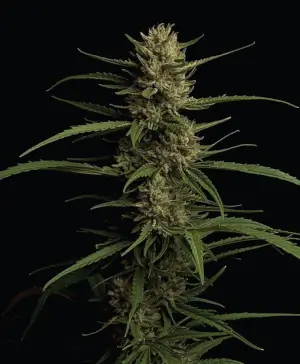
Tropical sativas grow tall and open, with long internodes and narrow, thin leaflets. Their flowers tend to form elongated, airy buds shaped like spears, instead of the compact masses typical of Afghan lines.
That structure has practical advantages in humid climates. In a three-year study in a Canadian commercial greenhouse, the sativa-type genotype showed botrytis susceptibility below 1%, compared with more than 5% in several indicas, a gap the researchers linked to flower density.
The trade-off is time. Strains like Malawi are often quoted at 12 to 16 weeks of flowering, and some Southeast Asian sativas can run even longer, which limits outdoor growing to places with mild, dry falls.
Durban Poison, the African sativa that traveled through Amsterdam
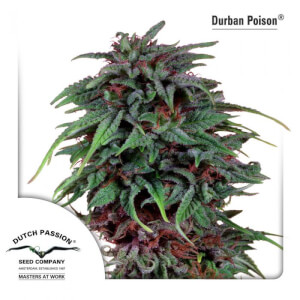
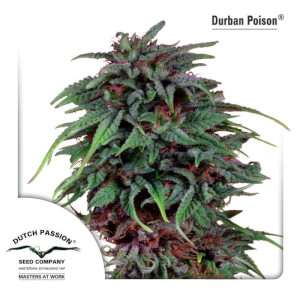
Durban Poison comes from the South African port city of Durban and is one of the most widely grown examples of a pure sativa. It earned its reputation through a shorter flowering period than other sativas, around 8 to 10 weeks according to the breeders who offer it, and a sweet, spicy aroma with hints of licorice.
For years, the story went that Ed Rosenthal traveled to South Africa to bring back the seeds. He set the record straight in High Times, saying he never went there and that he found the strain at an Amsterdam coffee shop called the Transvaal, run by South Africans who were importing cannabis from home.
Rosenthal later shared seeds with botanist Mel Frank, and the strain spread through Nevil Schoenmakers and other Dutch seed banks. Its influence reaches today's market, since an F1 Durban is the genetic backbone of GSC and, by extension, much of the Cookies family.
Rosenthal told GreenState that the Durban he tried that day gave an even, mellow high. He also pointed out that growing it in South Africa was seasonal because of the country's distance from the equator, a detail that helps explain why this sativa finishes earlier than many others.
Other reference sativas
Malawi, from southeastern Africa, is associated with spear-shaped buds, intense psychoactivity and long cycles. Panama, a Central American classic, brings incense and citrus aromas, while Colombian and Mexican sativas such as Colombian Gold and Acapulco Gold formed the foundation of 1970s cannabis culture in the US.
Thai and Indian sativas round out the map, with very tall plants and cycles that can easily pass 14 weeks. Many of these local populations became raw material for famous hybrids, starting with the Original Haze, which combined several tropical sativas in Santa Cruz, California.
Breeders keeping the lines alive
Maintaining a pure sativa requires working with large populations and long cycles, which is not very profitable for most commercial breeders. Spain's ACE Seeds has specialized in this work with Malawi, Panama and Papua New Guinea lines, along with selections like Durban Poison 80s, which aims to recover the profile of that decade.
Projects like these combine preservation and improvement. In crosses such as Malawi x Panama, ACE works with two tropical sativas to achieve more uniform growth and a less erratic stretch, without adding indica genetics.
Aroma and effect
Pure sativas tend to offer citrus, spicy, herbal or incense-like profiles, often with woody or licorice notes. Many lines stand out for terpenes such as terpinolene and limonene, which carry over into their hybrid descendants.
Users frequently describe an energetic, creative and uplifting effect that sits more in the head than in the body. Even so, the experience depends on each plant's chemical profile and the amount consumed, not on the label.
Growing a pure sativa
Indoors, height is the main challenge. Tropical sativas can stretch dramatically in the first weeks of flowering, so many growers keep the vegetative stage short and use SCROG netting to spread branches evenly under the light.
Outdoors, latitude and fall weather decide the outcome. The Haze Brothers already selected plants based on which ones matured under glass at Santa Cruz's latitude, and the same rule applies today: choose lines that finish before the cold and save the latest ones for warm climates or greenhouses, such as those across the southern US.
Choosing a pure sativa means accepting a different pace from fast hybrids. In exchange for extra weeks in the garden, it offers distinct aromatic profiles and a direct link to the tropical populations that gave rise to much of today's genetics.