
 Cannabis seeds













 Alchimia now available in the USA!
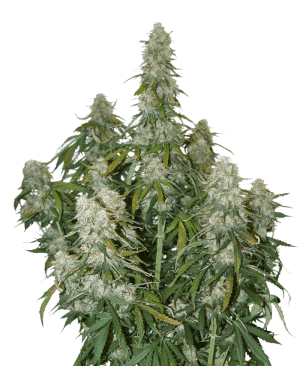
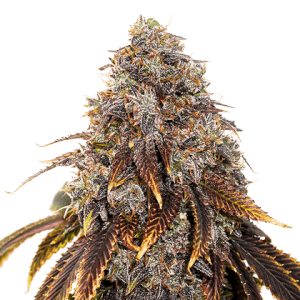
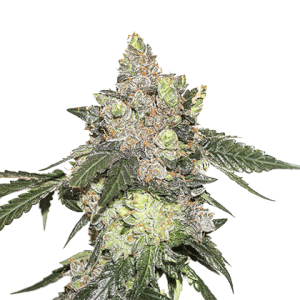
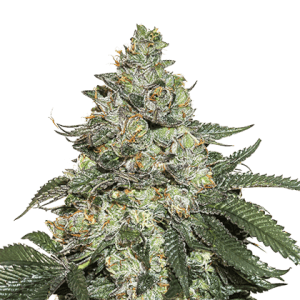
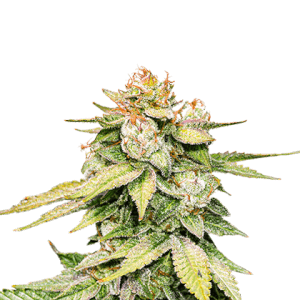
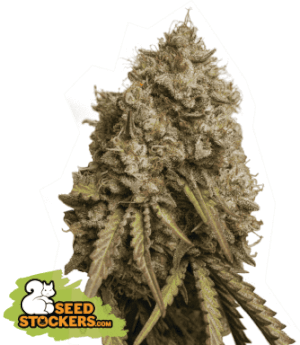
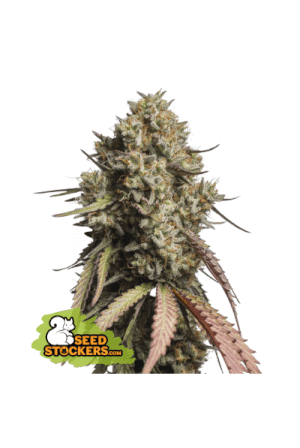
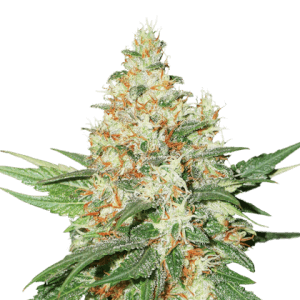
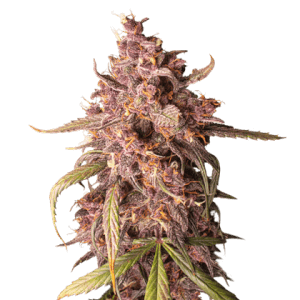
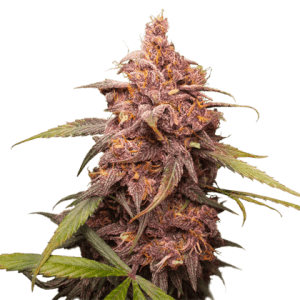
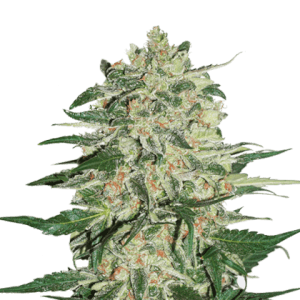
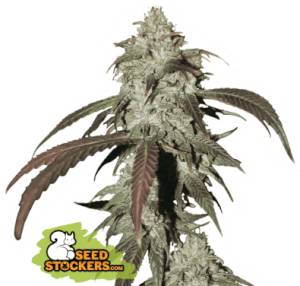

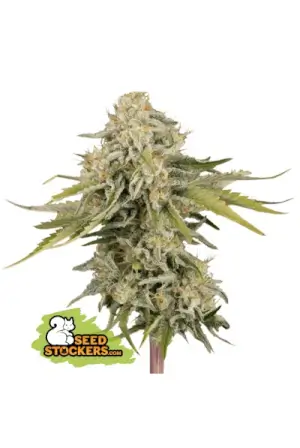
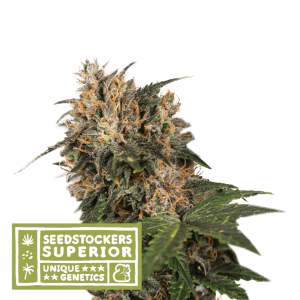

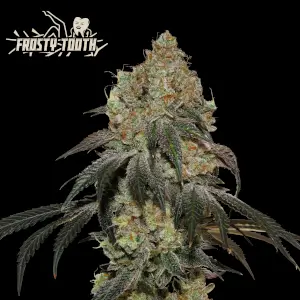
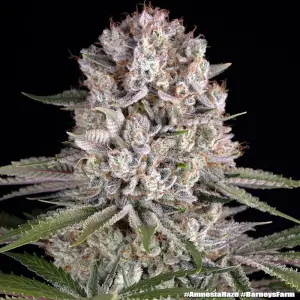

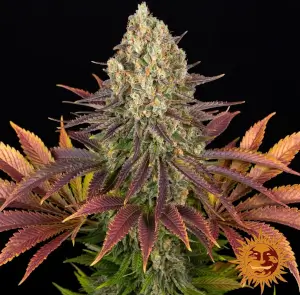

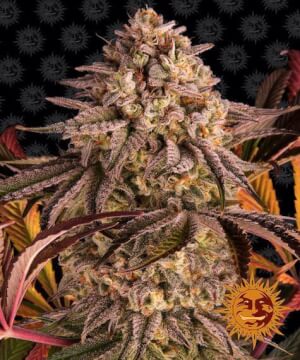

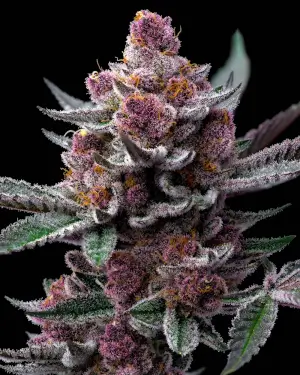

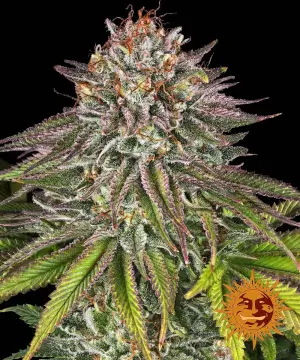
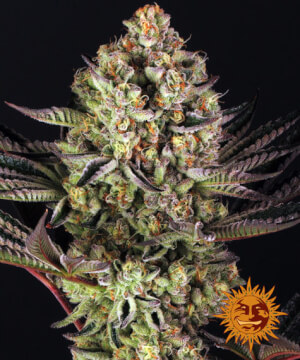
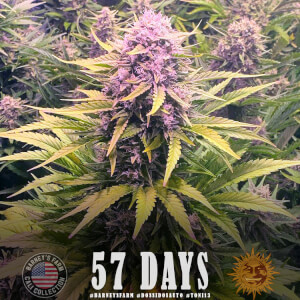
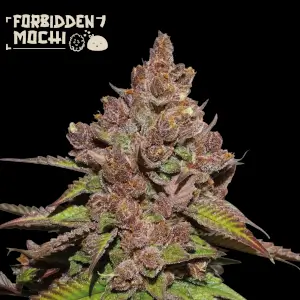


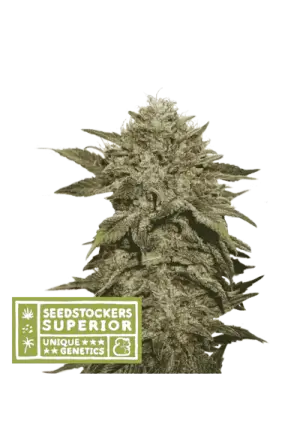
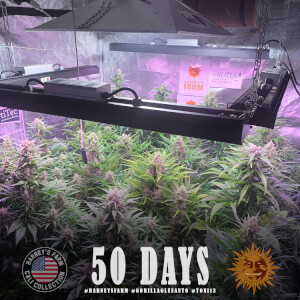
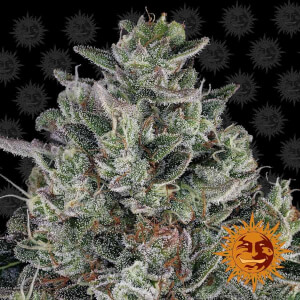
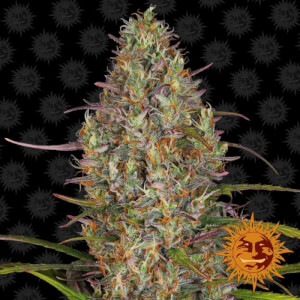
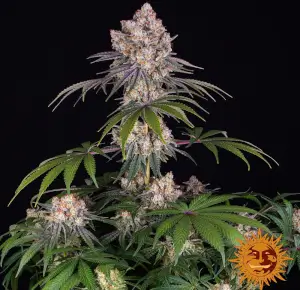

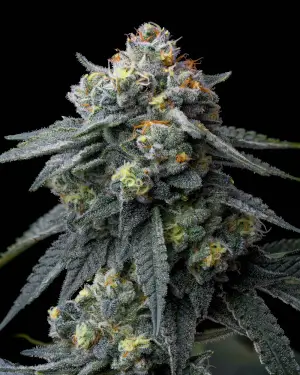


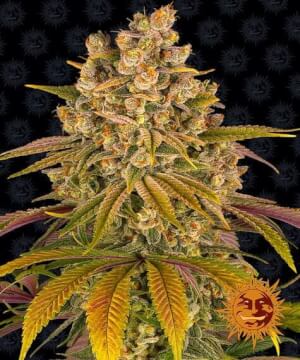

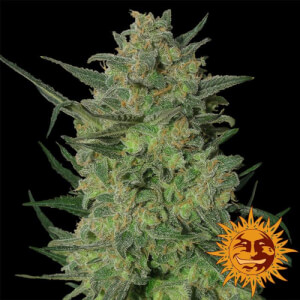
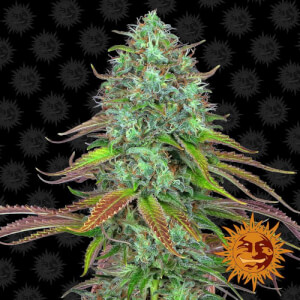
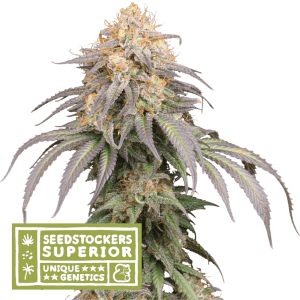
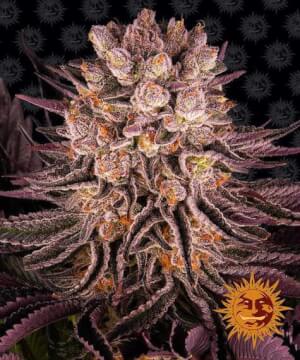
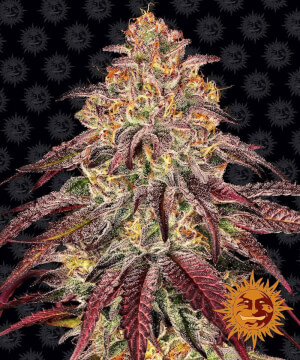
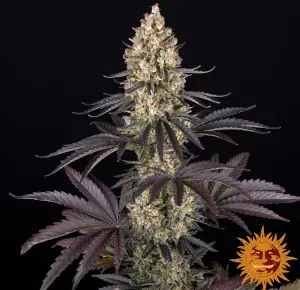
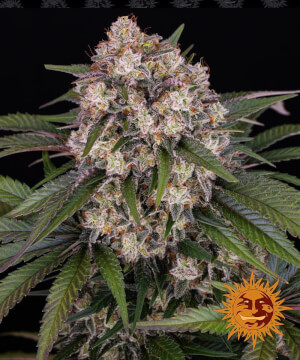
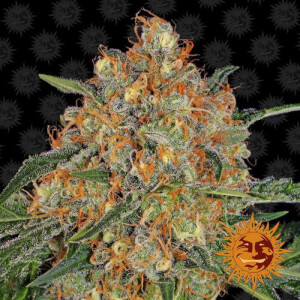

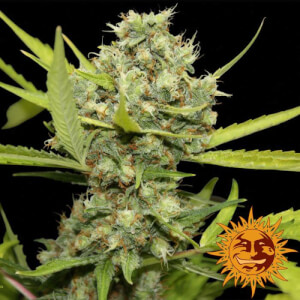
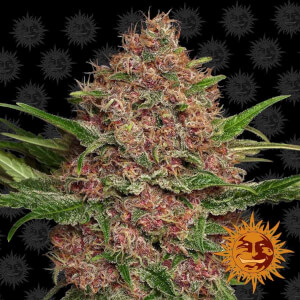

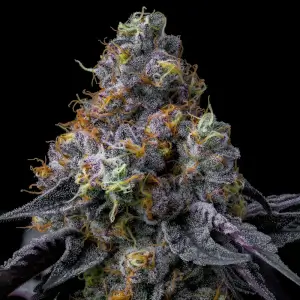
In the garden, those traits are easy to recognize: short, bushy plants with broad leaves, tight internodes, chunky buds and flowering times often around 7 to 9 weeks. As for the experience, users often describe these strains as calmer and more body-focused than tropical sativas, though everyone responds differently.
What the chemistry shows
A 2021 study in Nature Plants found that indica and sativa labels don't form distinct genetic groups, and that the overall chemistry of both labels largely overlaps. What the labels did track was a handful of terpenes: the strong, earthy smell associated with indica was tied to myrcene.
The same study pointed to three sesquiterpenes that earlier research had linked to plants from Afghanistan, the region considered the origin of indica cultivars. The researchers suggested that growers had been assigning labels based mainly on aroma and purported effects rather than genetic ancestry.
California's SC Labs places many classic indicas in a myrcene-dominant category whose examples include Classic Blueberry, Cherry AK and the Purps. But many modern strains sold as indica fall elsewhere. In a 2022 analysis of nearly 90,000 samples, Purple Punch landed in the caryophyllene and limonene group 96% of the time, the chemistry shared by Cookies, Gelatos and Cakes.
Afghan and Hindu Kush roots
The mountains of the Hindu Kush, stretching across Afghanistan, Pakistan and Tajikistan, are home to the landraces that defined the indica type. They're short, bushy plants with heavy resin production, traditionally grown to make hash. Well-known examples include Hindu Kush, Afghani, Mazar-i-Sharif and Pakistani Chitral Kush.
Their arrival changed US breeding in the late 1970s. Many breeders favored Afghan females because they were new, yielded well, finished early and stayed compact. Those genetics are behind Northern Lights, the Hash Plant lines, Skunk #1 and countless modern hybrids.
Not everyone followed the trend. Breeder DJ Short didn't like the smoke of the Afghans, so he did the opposite of most of his peers: he used tropical sativas as mothers and pollinated them with Afghan males. The result was Blueberry, which combined Afghan structure and resin with the aroma of the Thai lines and went on to win Best Indica at the 2000 Cannabis Cup.
Featured strains
Hindu Kush and Afghani
These landraces are the closest thing to the source genetics of the indica type. Hindu Kush offers earthy notes of pine and skunk, and both are known for producing solid quantities of hash, a reminder of the role these plants have played in their home regions.
Northern Lights
Built from pure Afghan genetics in the Pacific Northwest in the late 1970s, Northern Lights became a benchmark indica. It dominated the Amsterdam coffeeshop scene in the late 1980s and 1990s, and its hybrids won several early Cannabis Cups. It stays compact and finishes in about 7 to 8 weeks indoors.
Granddaddy Purple
Popularized by Ken Estes in 2003, Granddaddy Purple is usually described as a cross of Purple Urkle and Big Bud. It belongs to a Northern California purple lineage that starts with Purple Kush, a Hindu Kush and Afghan cross, continues with Mendo Purps and its phenotypes Purple Urkle and Lavender, and arrives at GDP.
It inherits a complex grape and berry aroma from Purple Urkle and an oversized, compact bud structure from Big Bud. It won Best US Indica at the 2015 High Times Cannabis Cup in Denver.
Purple strains have their own naming stories. Purple Hindu Kush, for example, was once known as “Jager” in Oregon, until the makers of Jägermeister had their lawyers send a letter asking for a name change.
Bubba Kush
Bubba Kush is a short, compact plant usually associated with earthy and coffee-like flavors. It's commonly described as an OG Kush cross with an indica of uncertain origin, and it flowers in about 8 to 9 weeks.
Blueberry
DJ Short's Blueberry shows how varied indica-dominant strains can be. From its Afghan side it gets dense buds and a compact, easy-to-train structure, while its Thai side brings elongated calyxes and a fruity aroma. It flowers in about 7 to 8 weeks and does well in Sea of Green setups.
Modern indica-leaning hybrids
Many of today's dessert strains are sold as indica-dominant. Wedding Cake usually stays short and stout with dense buds, and Purple Punch is a common sight on menus. As the 2022 data shows, though, their chemistry tends to follow the caryophyllene and limonene profile of the Cookies family rather than the classic myrcene-heavy Afghan pattern.
Growing tips
Indica-dominant strains are generally easier to manage indoors. They stretch less in flower, stay within the limits of a tent and finish relatively quickly. Techniques like topping, LST or Sea of Green work well with their compact structure.
Their main weak point is bud density. Tight colas and thick foliage trap moisture, so good airflow and moderate humidity are essential in the last weeks of flowering. With GDP, for example, growers are advised to watch for botrytis in the central colas, and strains like Wedding Cake benefit from pruning to open up the plant.
If you're growing purple lines, slightly cooler nights at the end of flowering help bring out the color. Outdoors, their early finish makes them a good fit for short seasons and northern latitudes, where they can be harvested before the fall rains.
Who they make sense for
Indica-dominant strains suit indoor growers with limited height, beginners looking for manageable plants and outdoor growers with short seasons. They also appeal to anyone who enjoys earthy, hashy, grape and coffee aromas, or who wants to make hash from resinous genetics.
If you're drawn to classic genetics, Hindu Kush, Afghani and Northern Lights connect directly to the landraces. If you prefer color and fruit, Granddaddy Purple or Blueberry offer a different take, and if you're curious about the newer side of the category, look at the terpene profile to see which family a modern indica really belongs to.