Cannabis seeds













 Alchimia now available in the USA!
Information on Forbidden Cherry Auto
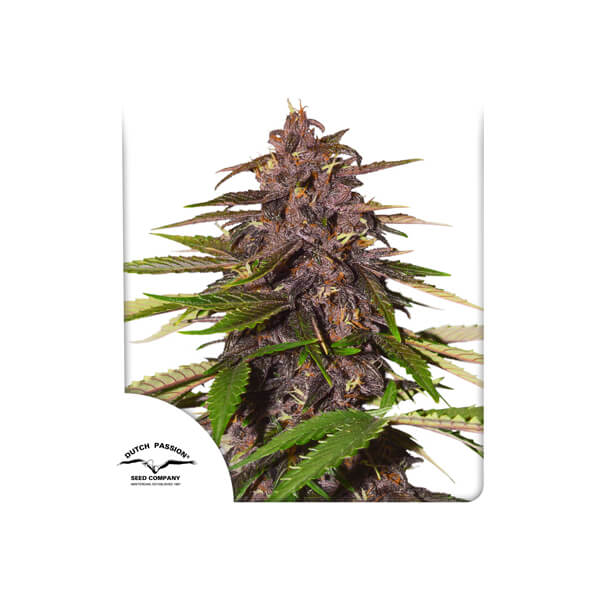
Forbidden Cherry Auto is a feminized autoflower from Dutch Passion created with one clear goal: a purple strain that finishes reliably almost anywhere. This indica-dominant hybrid releases an earthy, fruity bouquet with citrus, forest berries and a hint of lavender over a classic Kush base. THC is usually quoted around 15%, and the effect leans toward a calm, body-centered relaxation that stays easy to manage.
The story behind Forbidden Cherry Auto
Dutch Passion wanted an autoflower that paired eye-catching purple flowers with the toughness needed for unpredictable outdoor seasons. The breeders worked through several generations of selection, keeping only the plants that performed in dry continental summers, wet maritime climates and cooler mountain areas.
The strain belongs to the company's Dutch Outdoor family, a group of genetics shaped by the demanding Dutch climate. Its purple color is a fixed genetic trait, so it shows up indoors too, not only when nights turn cold.
Hash makers have a pleasant surprise waiting with this strain. When the flowers are washed to make ice water hash, the water can sometimes turn completely purple, and the hash itself can come out with unusual colors.
Genetics and plant structure
The cross is Purple #1 x (Auto Forbidden Fruit x Cherry Pie), placing a classic Dutch purple line on top of modern Californian dessert genetics. The plant is indica dominant, with ruderalis in the background providing the automatic flowering.
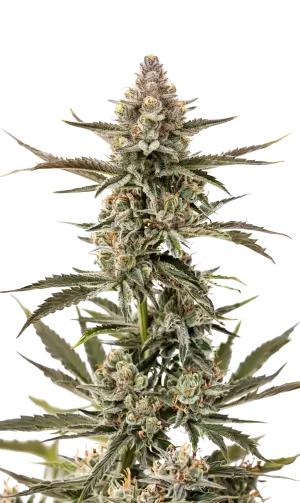
Plants usually form a compact Christmas tree shape with one dominant main cola and several smaller side branches. Early leaves are broad with thick fingers, then grow slimmer and more hybrid-looking as flowering advances. Internodes are medium, and the buds keep a little space between them, which helps airflow.
Purple #1
Purple #1 is Dutch Passion's original purple strain from the 1980s and one of the first commercial purple strains on the market. Its indica side comes from a special purple Afghan that was crossed in the Netherlands into a robust outdoor plant with roughly 50/50 indica and sativa genetics.
It contributes outdoor resilience, early finishing and an old-school Afghan aroma of earth and spice. Many breeders have used it as a foundation for their own purple lines.
Purple #1 is so colorful that even its first pistils break the rule. Where most cannabis shows white hairs at the start of bloom, this one can show pink, purple or even dark violet pistils.
Auto Forbidden Fruit
Forbidden Fruit is a Californian cross of Cherry Pie and Tangie, usually credited to a breeder at Chameleon Extracts in the Bay Area. It is known for a sweet, tropical fruit profile and an indica-leaning effect, and its autoflowering version gives this line its independence from light cycles.
The story goes that Forbidden Fruit was born in 2016, when its breeder dusted a Tangie plant with Cherry Pie pollen. The offspring kept the look of Cherry Pie, while the flavor turned out to be pure Tangie.
Cherry Pie
Cherry Pie is a Bay Area classic that combines Granddaddy Purple with Durban Poison. It pairs GDP's purple tones and body calm with Durban's lively, clear-headed character, and it is famous for a sweet and tart cherry aroma.
The clone-only Cherry Pie cut is attributed to a Bay Area breeder known as Pieguy and was quickly adopted by Jigga of the Cookie Family. It later took third place in the medical sativa category at the 2014 Denver High Times Cannabis Cup.
Growing Forbidden Cherry Auto
This is a beginner-friendly autoflower that performs indoors, in greenhouses and in open ground. Indoors under a 20/4 light schedule it goes from seed to harvest in roughly 63 to 70 days, and the fastest phenotypes can be ready around week nine in ideal conditions.
Average height sits between 40 and 75 cm, although some plants approach one meter in large containers. In small pots it stays very compact, a discreet option for balconies, terraces and small gardens.
Indoor yields reach about 400 to 450 g/m². Outdoors, production usually ranges between 25 and 100 g per plant, around 30 to 50 g in cool temperate areas and up to about 150 g in sunny, dry climates.
Outdoors the cycle stretches by one to one and a half weeks, reaching 11 or 12 weeks from seed. Planting during the warmest three months of summer gives the best results, and cold nights deepen the color until some buds look almost black.
Purple tones usually appear around the second week of bloom. The open bud structure and favorable calyx-to-leaf ratio improve resistance to mold and bud rot and make trimming quick, while breathable pots help further in very wet climates.
Sow directly in the final container or transplant within the first one or two weeks, giving 20 to 24 hours of light if you start indoors. Topping is possible but tends to reduce yield, so the strain performs best when left to grow naturally.
Flavor, aroma and effect
The aroma is pungent, fruity and earthy, layered with citrus, forest fruits, lavender and spice. Toward the end of flowering it develops a strong old-school scent, and some phenotypes add pine to the citrus.
After curing the citrus softens and the Kush character comes forward. The smoke is smooth, with Kush flavor wrapped in candied fruit, and the terpene profile is led by caryophyllene and myrcene.
The effect is calm and relaxing, centered on the body, with a medium head high and a slight uplift that keeps heavy couch lock away. Its moderate potency makes it approachable for less experienced consumers and a good match for relaxed evenings, a movie night or an unhurried afternoon with friends.
Specifications on Forbidden Cherry Auto
| Auto Seeds | |
| Seed bank | Dutch Passion |
| THC Content | High (15-25%) |
| Indica/Sativa Genotype | Indica +60% |
| Flavor | Fruity, Woody, Earthy |
| Effect | Relaxing |
| Full cycle | Standard (10-14 weeks) |
| Indoor yield | Medium (350-500 g/m2) |
| Outdoor yield | Medium (100-400 g/plant) |
| Genetics | Cherry Pie, Forbidden Fruit |
Questions and answers
Forbidden Cherry Auto related products (Dutch Passion)