
 Cannabis seeds













 Alchimia now available in the USA!
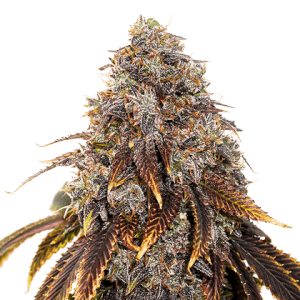
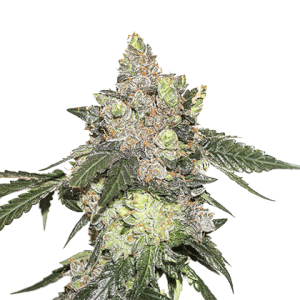
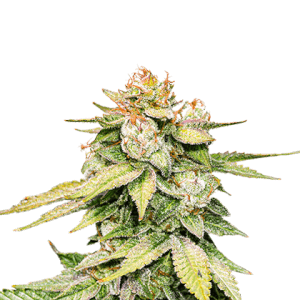
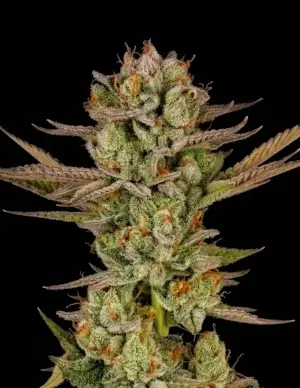
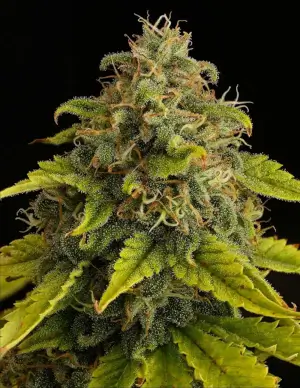
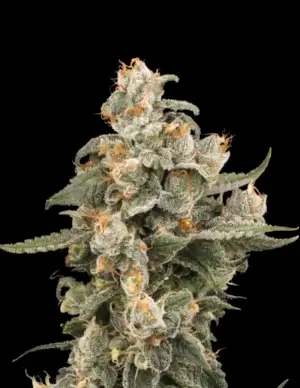
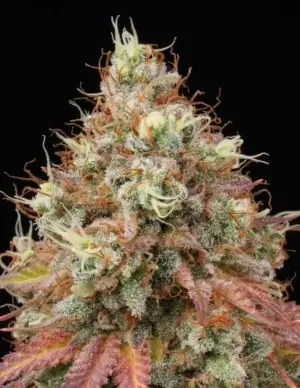
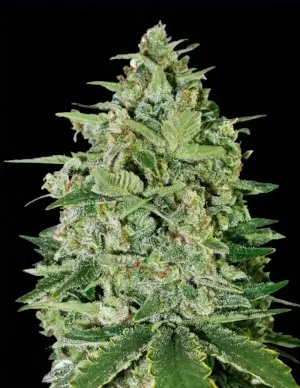

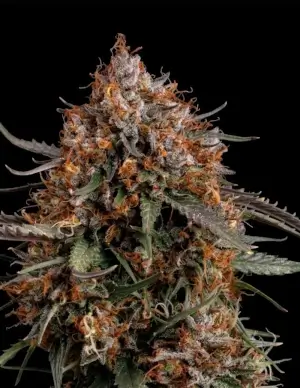







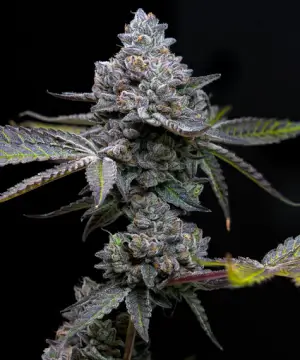

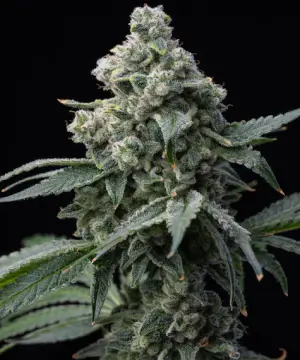

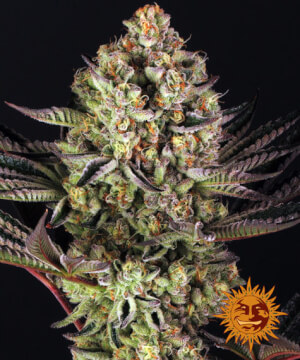

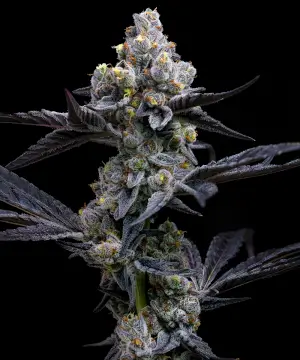





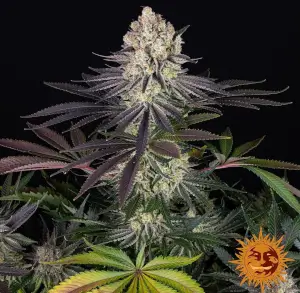














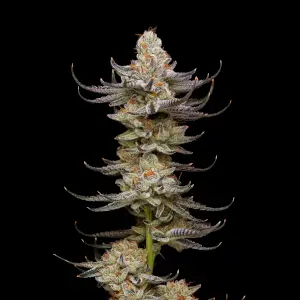
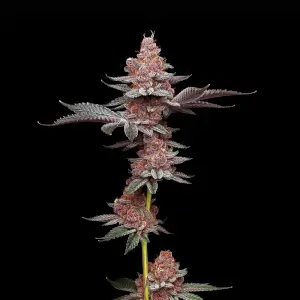
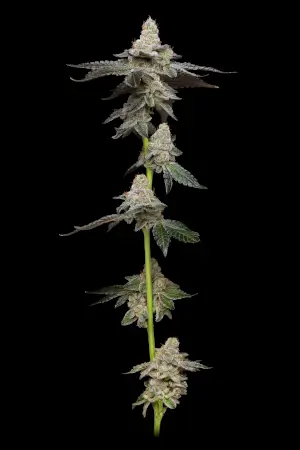
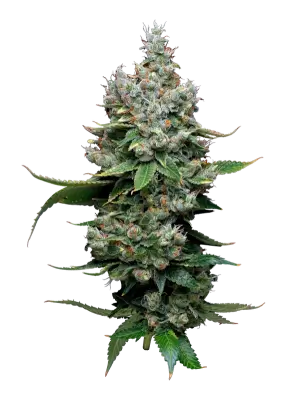
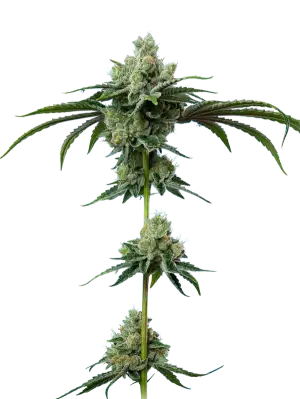
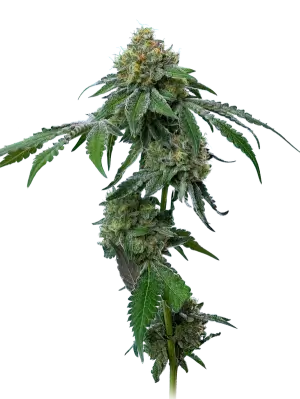
Rosin is extracted by applying heat and pressure to flower, kief or hash, so the resin melts and flows out of the material. When the starting material is ice water hash made from fresh frozen flower, it's called live rosin, one of the most sought-after extracts on the market today.
A technique that changed the market
Although the method had been mentioned on the ICMag forum as early as 2006, rosin didn't take off until 2015. Its spread is credited to Phil “Soilgrown” Salazar, a hash maker from Pasadena, California, who shared his experiments on social media and on the online show Hash Church.
Salazar told High Times that before he knew about rosin, he used a hair straightener to flatten hash that didn't melt well, pressing just enough to thin it out. During one of those attempts, he noticed oil coming out. He started experimenting in January 2015, and once he shared the technique, people around the world were trying it with hair straighteners within weeks.
The technique made high-quality extraction accessible to anyone, with no industrial equipment or solvents. Today there are professional presses with precise temperature and pressure control, but the principle is the same: the better the starting material, the better the result.
What makes a strain good for extraction
It comes down to the connection between the trichome head and its stalk. The best-performing strains have a weak connection between the two, so the head breaks off easily during agitation or sifting. If that connection is too strong, the heads don't separate well and yields drop.
The trichomes also need to hold up during the process. Some strains produce heads with a cuticle that can't handle agitation and releases its oils too early. Top performers combine high trichome density, large heads, short stalks and good bud structure.
That's why a strain that looks very resinous isn't always a good choice for extraction. A plant can be covered in trichomes and still give up very little in water or on a screen if its heads don't detach easily.
How yield is measured
For ice water hash, yield is expressed as a percentage of dried hash relative to the weight of the fresh frozen material. Since that material is about 75% moisture, a 3% fresh frozen yield works out to roughly 12% in dry weight.
According to Cannabis Business Times, 3% or more from fresh frozen is a good benchmark. Most producers look for strains that can reach 4%, and some top strains hit 8% or more, the equivalent of 32% in dry weight. Alongside the numbers, hash makers also look at the aroma and appearance of the final product.
For flower rosin, yield depends mostly on how much resin the bud holds. With a hair straightener, for example, you can press about 3 to 4 grams of flower and collect around half a gram of rosin. A press with larger plates and pressure control delivers higher and more consistent yields.
Families that have built a reputation
Families that tend to perform well in solventless extraction include Chem strains, the Papaya family, Cake strains, Cookies and Cream, GMO, Banana OG, Do-Si-Dos, MAC and Tropicana Cookies. The list keeps changing, since new crosses selected for washing and pressing come out every season.
Some classics also make the list, like White Widow, one of the go-to strains when hash makers first started experimenting with dry sift and ice water. From the Diesel family, NYC Diesel ranks among some hash makers' favorites.
GMO and the Burger family
GMO Cookies, a cross of GSC and Chemdog also known as Garlic Cookies, is a common foundation for extraction strains. Its dense, sticky buds carry so much resin that Leafly highlights it as a good option for pressing your own hash. Much of the so-called Burger family has been built from GMO.
Its best-known member is Hash Burger, Leafly's 2025 Strain of the Year. Leafly describes it as a cross of Han Solo Hash Plant and Double Burger, and the family traces back to Han Solo Burger, a Skunk House Genetics creation that crosses GMO with Larry OG F7. In New York, products pairing its flower with its solventless resin were released so consumers could compare both formats.
When it announced the 2025 Strain of the Year nominees, Leafly explained that Hash Burger had earned its spot by being unapologetic: while other strains ran from the aromas that used to be everywhere, swallowed up by the dominance of candy and gas profiles, Hash Burger went another way, with a savory profile of garlic, pepper and diesel.
Why breeders chase these genetics
The rise of rosin and ice water hash has shifted breeding priorities. Today, strong extraction performance is an added value that helps a strain stand out from others with good flower but weak results in the wash or the press.
Michael Vlosky of PurePressure told Cannabis Business Times that when a breeder comes up with a big solventless strain, it's a big deal. According to him, many breeders try to create strains that do well in this process because it earns extra points: not only is the strain good, but it also washes and presses well.
How to test whether your harvest performs
A simple way to compare strains for ice water hash is the mason jar test. Place a sample of about 15 grams in a jar with ice and cold water, chill it in the fridge for a few minutes, shake it and let it settle. The trichome heads, which are denser, sink to the bottom.
The thicker and more even the resin layer at the base of the jar, the better the trichomes are releasing. For a fair comparison, always use the same sample weight and run a benchmark strain you already know washes well alongside it.
Growing, harvest and pressing tips
If you're working with fresh frozen material, freeze the buds right after harvest to preserve terpenes and trichome integrity. The less you handle the flowers, the fewer heads you lose. Cured flower yields less in water, because the trichome stalks become brittle and break, pulling more contaminants into the hash.
When pressing, start at lower temperatures and work your way up. High temperatures are faster but can scorch the material and produce dark, runny rosin. For live rosin, PurePressure recommends a range of roughly 160 to 200°F.
Who they make sense for
These strains suit growers who want to make their own kief, ice water hash or rosin, and anyone looking for highly resinous genetics to get the most out of every harvest. They're also a good fit if you're drawn to intense aroma profiles, which become concentrated in the extract.
If you're after savory, unusual aromas, the GMO family and the Burgers offer a distinctive profile. If you prefer fruit, the Papaya lines or Tropicana Cookies are an alternative. Either way, testing a small amount before processing the whole batch is the safest way to get to know your material.