
 Cannabis seeds













 Alchimia now available in the USA!





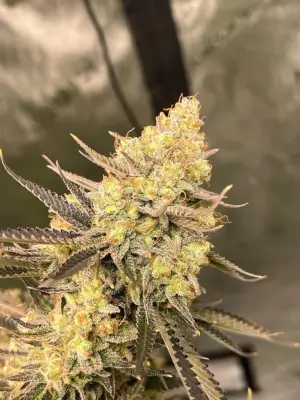
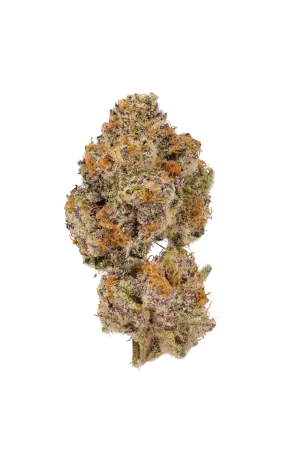
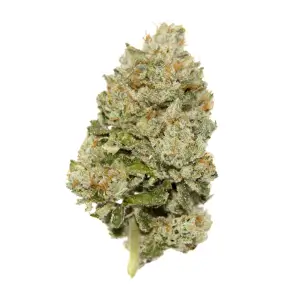
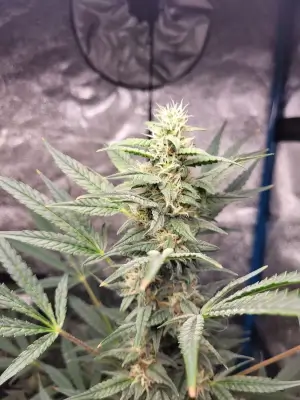
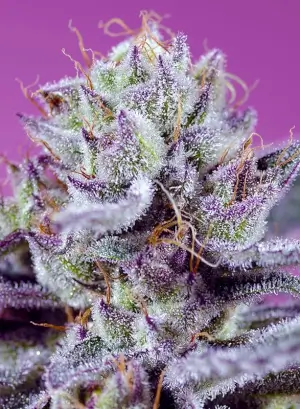
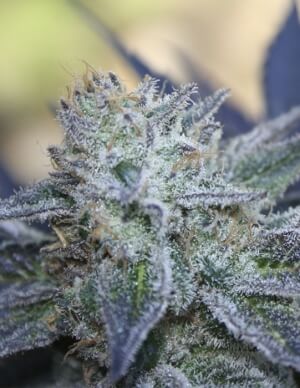
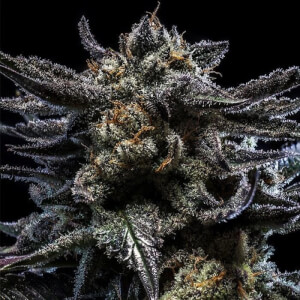
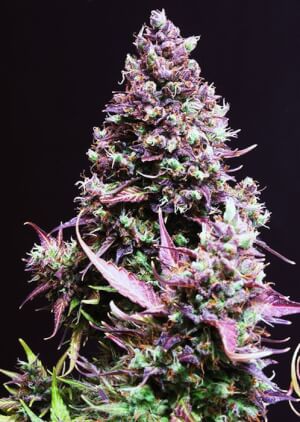

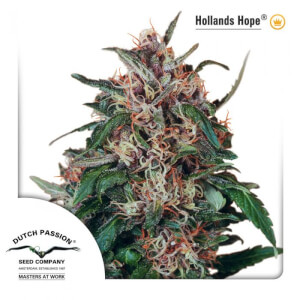
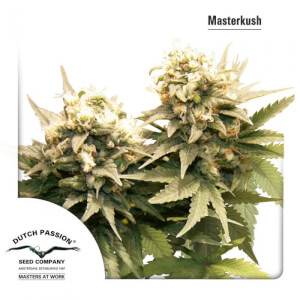
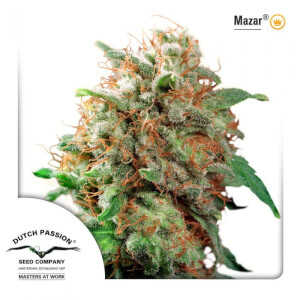
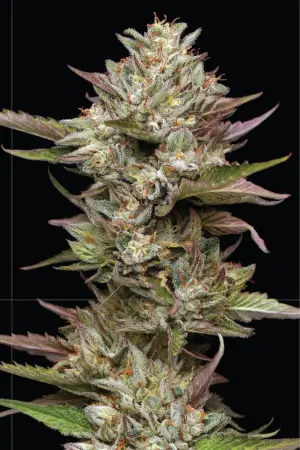
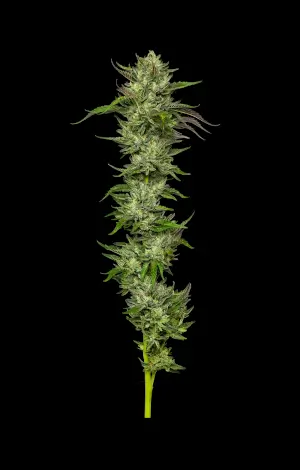
Modern genetics confirms that the label says less than it seems. A 2021 study published in Nature Plants found that indica-labeled samples were not genetically distinct from sativas across the genome, but they did show more myrcene, guaiol and eudesmols. The authors note that botanist Karl Hillig had already linked those sesquiterpenes to plants from Afghanistan.
The homeland of hashish
Researchers Robert C. Clarke and Mojave Richmond place the start of this story in northeastern Afghanistan, home to highly prized hashish. The famous Afghan "Primo" was made by sieving crushed dry flowers, a technique suited to the arid and often cold climate of southwestern Central Asia.
When Western travelers reached the region in the 1960s and '70s, following the Hippie Trail from Europe to India, these varieties had been grown and processed with traditional methods for generations. Both the farmers and their plants were adapted to arid, alpine conditions.
Clarke and Richmond describe how travelers who knew cannabis from other regions noticed the difference right away: shorter plants, broad dark leaflets, sturdy branches and dense flowers covered in resin that sparkled in the strong sunlight. Above all, the aroma came from another world, resinous, earthy and dank, compared with the herbal, floral and fruity notes of the marijuana smoked at the time.
What an indica plant looks like
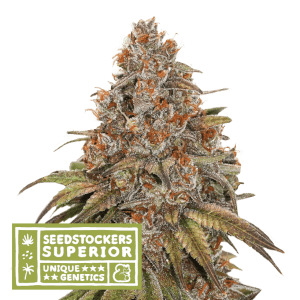
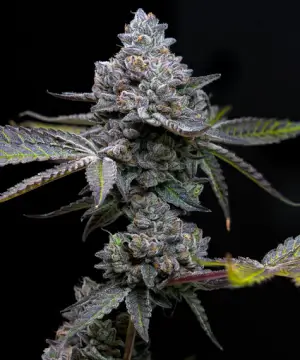
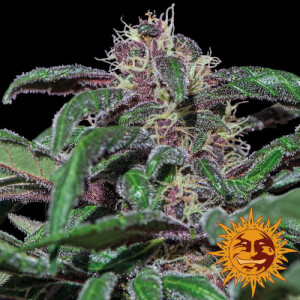
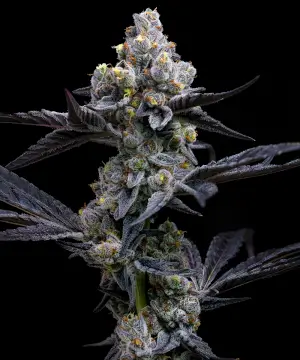
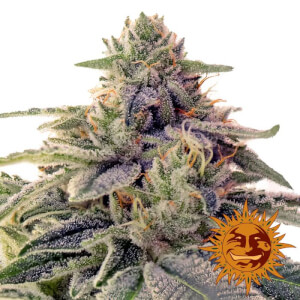
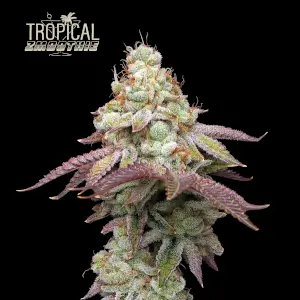
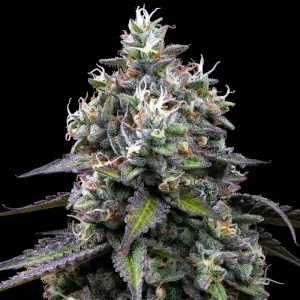
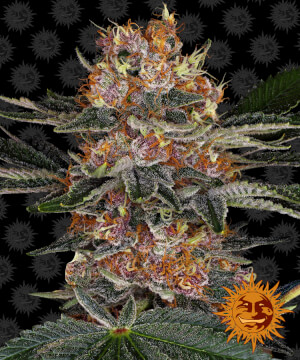
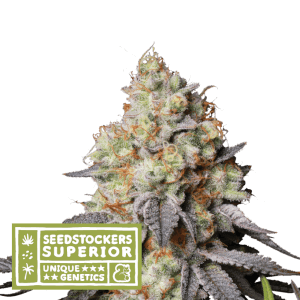
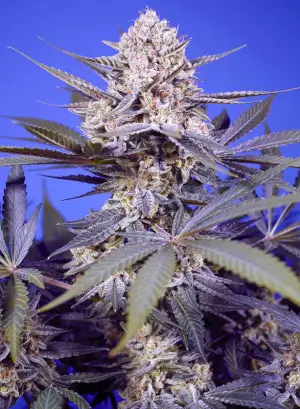
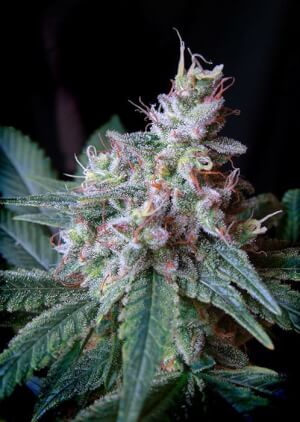
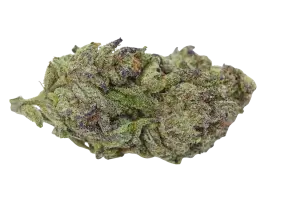
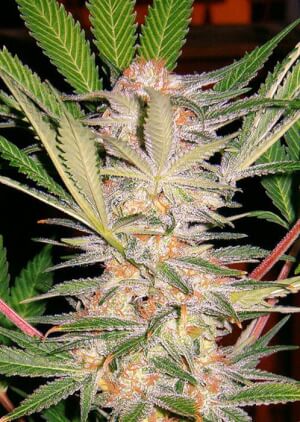
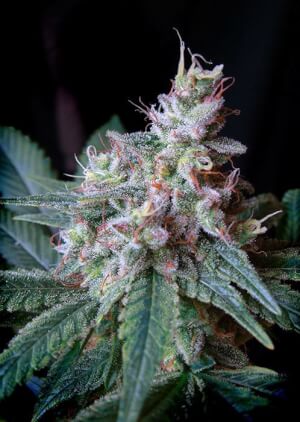
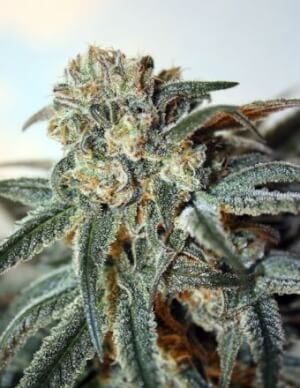
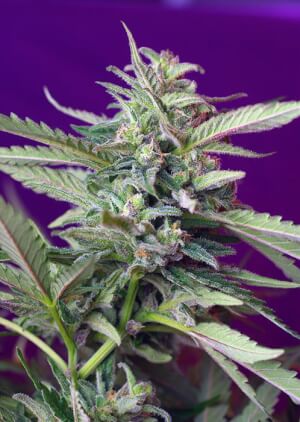
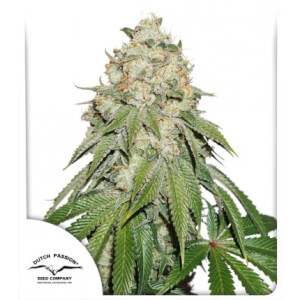
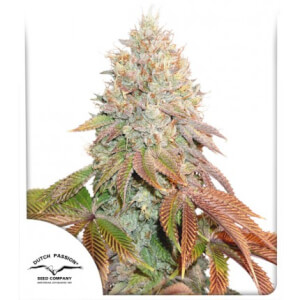
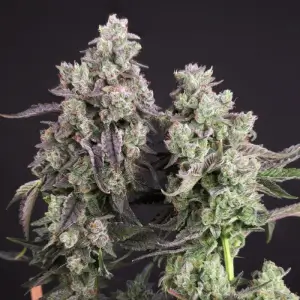
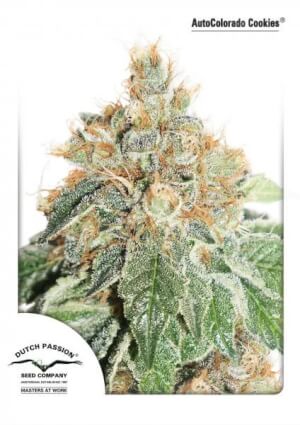
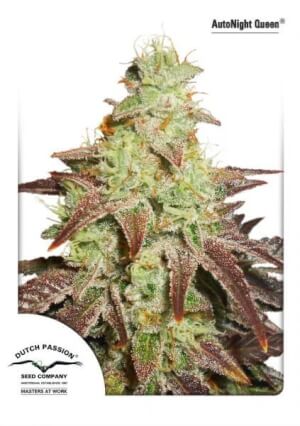
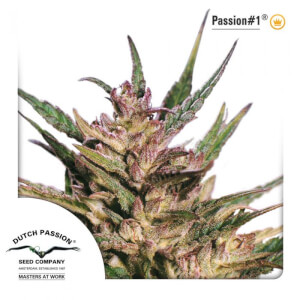
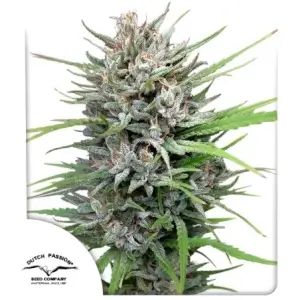
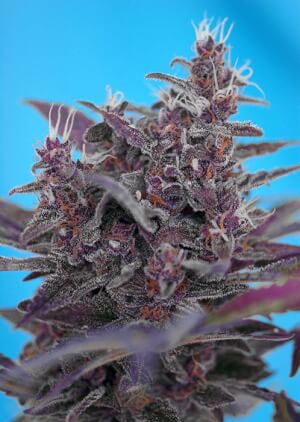
An Afghan-type indica grows short and compact, with tight internodes, broad leaflets and thick branches able to hold heavy flowers. Its inflorescences are dense and leafier than those of sativas, and resin covers both the bracts and the small leaves around them.
The aromatic profile leans earthy, resinous, spicy and hash-like, sometimes with woody or incense notes. That character, tied to terpenes such as myrcene and guaiol, is what the word indica has signaled on menus for decades.
From the Kush to Western gardens
Between the late 1960s and early '80s, travelers and smugglers brought seeds of this new "hash plant" home. Early growers kept them close, but by the late '70s they were spreading across isolated regions of North America thanks to three traits: short stature, early maturation and heavy resin.
The sativas grown up to that point came from subtropical latitudes, and many matured too late, with some plants failing to finish before winter frost. Crossing them with Afghan lines produced earlier, more vigorous plants with large harvests of dense, potent flowers.
According to Sensi Seeds, the seeds behind its Afghani #1 reached Ben Dronkers in the late 1970s, handed over by an Afghan farmer. The strain appeared in the first Sensi Seed Club catalog in 1985, and the company now lists it as the direct ancestor of at least 51 registered varieties on SeedFinder.
Around the same time, Nevil Schoenmakers received Hindu Kush and Afghan #1 seeds from Sam the Skunkman, along with Skunk #1 and Durban Poison, among others. That is how pure indicas entered the Dutch seed banks that would later distribute these lines around the world.
The engine of indoor growing
As prohibition tightened, many growers moved indoors under lights. Tall, late sativas were hard to manage, while short, fast hash plants offered an almost ready-made solution, and hybrids between the two, paired with high-intensity lighting, spread urban cultivation worldwide.
That legacy reaches the Kush family. Clarke and Richmond note that all its members are distant relatives of hashish landraces imported from Afghanistan, and they consider it likely that the Bubba parent, based on Northern Lights, was closer to a true Hindu Kush landrace than the famous OG Kush clone itself.
The weak spot: fungi
Adapting to a dry climate came at a cost. According to Clarke and Richmond, Afghan landraces evolved in an environment with few fungi and little pressure to develop resistance, while tropical sativas could withstand fall fog and drizzle without gray mold.
Field data points the same way. In a three-year study at a Canadian commercial greenhouse, several indicas exceeded 5% botrytis susceptibility, compared with less than 1% for the sativa-type genotype, although some indicas also scored low. The authors linked the difference to flower density and the number of leaves inside the bud.
Reference strains
Afghani #1 from Sensi Seeds is presented as a near-pure indica stabilized from Afghan material, with broad leaves, short internodes and abundant resin. Hindu Kush and Afghan Kush point directly to the mountains they are named after, and lines such as those from Mazar-i-Sharif come from the valleys of northern Afghanistan.
Many of these strains are still available as regular, feminized and autoflowering seeds. Their role as a breeding foundation explains why they appear in the pedigrees of Skunk, Northern Lights, Critical and Kush, although in those hybrids the Afghan heritage sits alongside that of tropical sativas.
Aroma and effect
Users describe pure indicas as having a body-centered, relaxing effect that can turn heavy at higher amounts. The flavor often recalls traditional hashish, with earthy, spicy and resinous undertones.
As with any category, the experience depends on each plant's chemical profile and the amount consumed. The label hints at origin and aroma, but it is no substitute for a lab test.
Growing a pure indica
Their compact size and short bloom make them a good fit for small spaces and systems such as Sea of Green, with many small plants flipped to flower early. Outdoors, their early finish helps growers harvest ahead of fall rains in temperate climates.
Environmental control is the key. Keeping relative humidity low during the final weeks, stripping interior leaves to open the plant and ensuring strong airflow lowers the risk of mold in their dense, leafy buds.
Preserving the line
War, prohibition and market pressure have changed farming practices in Afghanistan, and not every line sold as Afghan keeps the original profile. Some preservationists continue to search for unaltered seeds in remote regions to protect that heritage.
Choosing a pure indica means going back to the source of much of today's genetics. It offers manageable plants, abundant resin and a classic hash aroma, in exchange for close attention to humidity that these mountain genetics never needed in their homeland.