
 Cannabis seeds













 Alchimia now available in the USA!


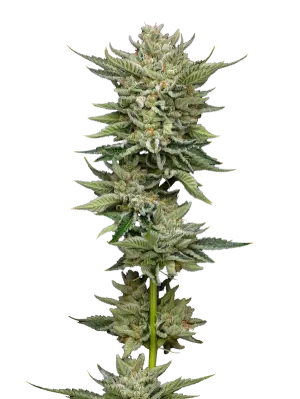
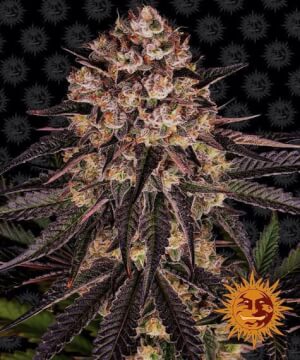
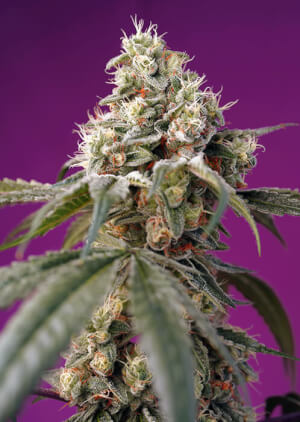
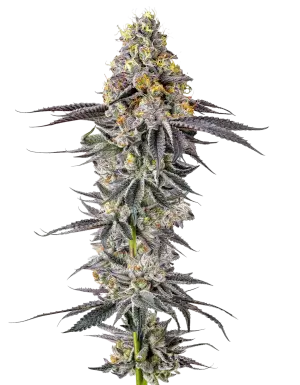
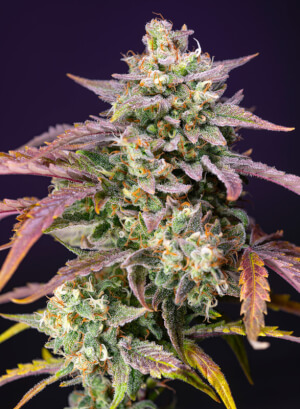
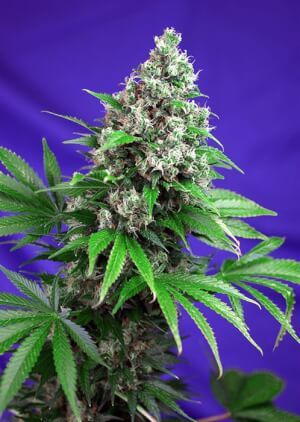
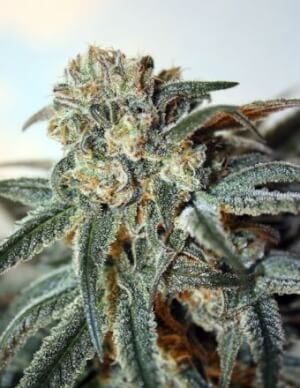
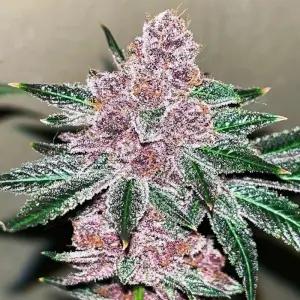
That nickname shortened to Kush, apparently without any awareness of the Hindu Kush landraces behind so much sinsemilla. For years, the plant remained a well-kept secret within an insular community of Florida growers.
Ed Rosenthal's site recounts that Bubba moved from Orlando to Silver Lake in 1996 to room with Josh D, telling him stories of a unique strain from Gainesville that nobody on the West Coast had seen. Berger then flew back to Florida, collected his cuttings and returned to Los Angeles with Kush, Bubba and a third plant.
Josh D and the birth of OG
Berger and Josh Del Rosso, known as Josh D, planted Kush, Bubba and Purple Indica in the crawl space of a rental house they shared. According to Weedmaps, Del Rosso was the first to cultivate Kush in California, shared cuttings with friends and renamed it OG Kush, with OG meaning "Original" to set his version apart.
Clarke and Richmond credit Josh D with perfecting the cultivation techniques this demanding plant required. They describe OG Kush as sensitive to light and nutrient levels, prone to pests and likely to throw a few male flowers under stress, which produced accidental seeds that looked remarkably like the parent.
What does OG really stand for
The name has fueled endless debate. Fans argue for Ocean Grown, linked to coastal California grows, or Original Gangster, tied to the strain's place in Los Angeles hip-hop culture, but there is little evidence for the Ocean Grown story.
According to Josh D, the crew used OG to signal that the plant was the original and authentic version, grown properly by him and his circle. That explanation matches the strain's origin as a clone-only cut passed from hand to hand.
A parentage nobody can prove
The most repeated theory links OG Kush to Chemdawg, Lemon Thai and a Hindu or Pakistani Kush, and some versions add a Northern California strain. Josh D himself has suggested it is an indica of Thai, Afghani and hashplant origins.
Clarke and Richmond note that the Bubba parent, which descends from a Northern Lights cutting, was probably closer to a true Afghan landrace than the OG clone itself. Whatever the exact recipe, the terpene profile and effects point to Afghan ancestry mixed with fuel-heavy East Coast genetics.
The named cuts
As OG Kush spread, growers began naming distinct versions after where they came from or who held them. SFV OG from the San Fernando Valley, Tahoe OG, Larry OG, Ghost OG and Fire OG are among the best known, and many breeders treat them as phenotypes or close descendants of the original cut.
Online grower forums still argue about which cut is closest to the first plant. THCFarmer threads describe Tahoe as a cut brought into the community by a grower named Swerve, while later posters claimed it was really a Ghost S1 and that the Lake Tahoe sourcing story was invented. One member wrote that a fellow grower once paid $10,000 for original Bubba and Larry cuts.
Even identical clones travel under different names. Cultivator Kevin Jodrey of Wonderland Nursery has sold cuts genetically identical to Josh D's OG Kush under labels such as Larry, Blood Diamond and Hollywood, which shows why lineage claims within the family deserve a careful look.
Crosses that carried the OG profile
Fire OG, a cross of OG Kush and SFV OG, became known for heavy resin and led to White Fire OG, often called WiFi OG. Headband pairs OG Kush with Sour Diesel for a pronounced head-centered effect, and Skywalker OG layers the Mazar and Blueberry cross Skywalker onto OG Kush for darker berry notes.
The family reaches far beyond strains with OG in the name. The Florida OG cut is one parent of GSC, which means Gelato, Wedding Cake, Runtz and much of the Cookies tree carry OG genetics, while Triangle Kush, named after a Florida growing region, is widely regarded as one of the cuts closest to the state's original Kush.
Aroma and effect
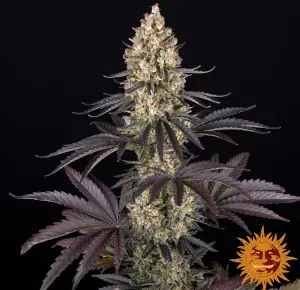
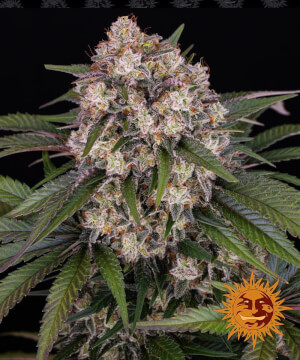
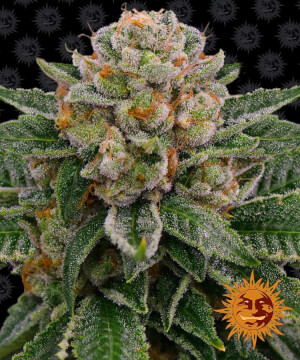
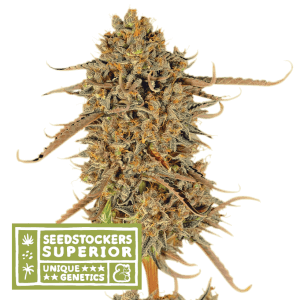
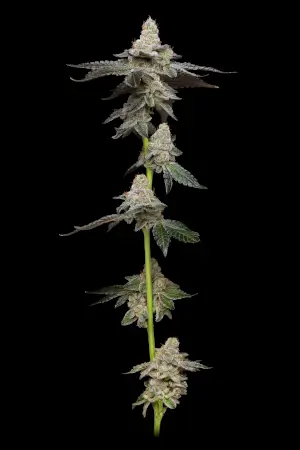
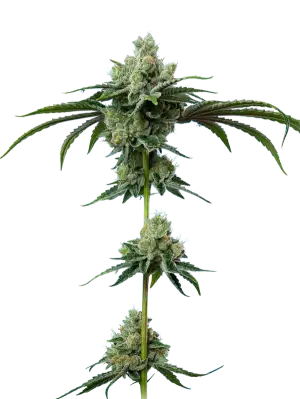
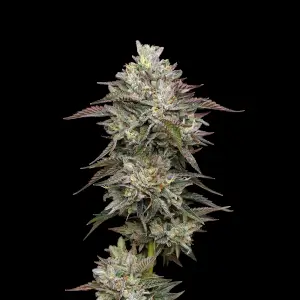
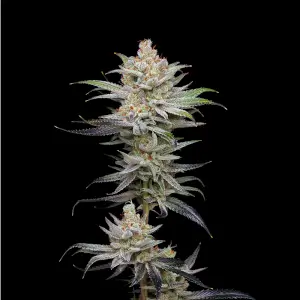
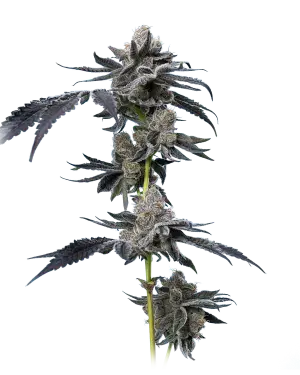
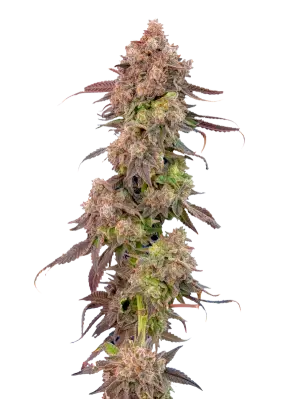
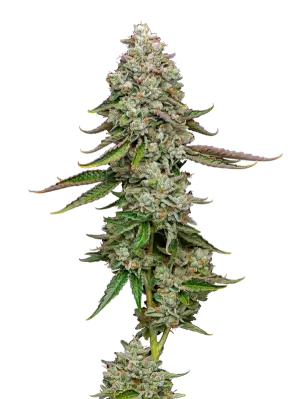
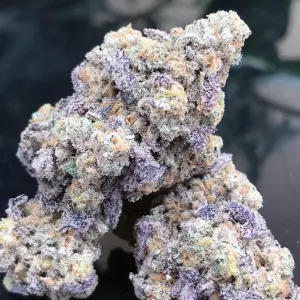
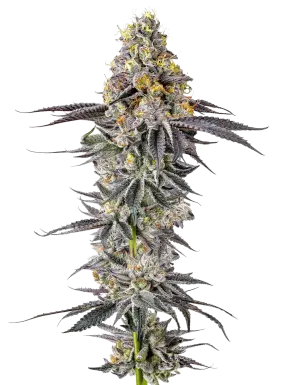
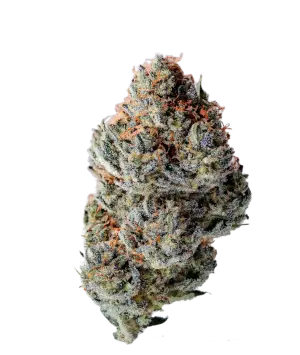
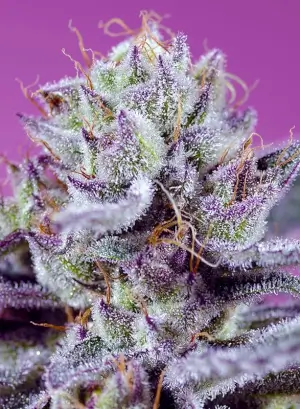
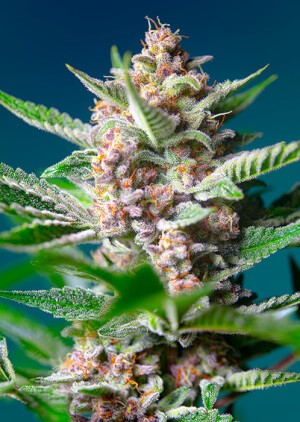
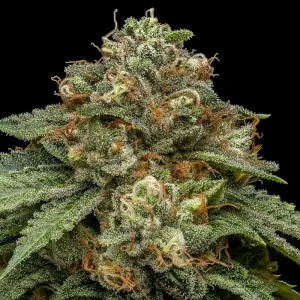
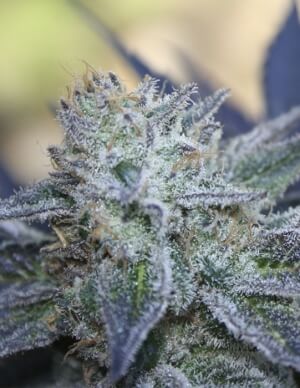
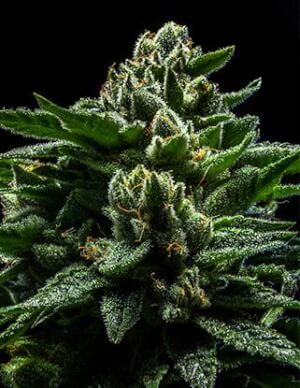
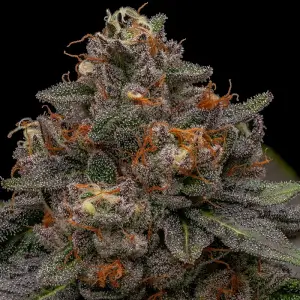
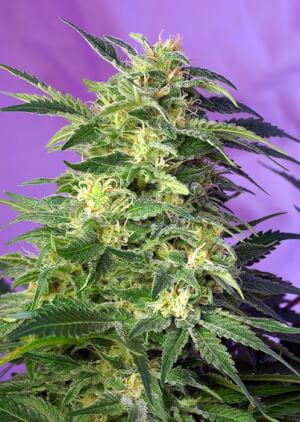
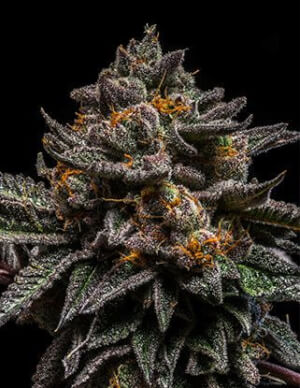
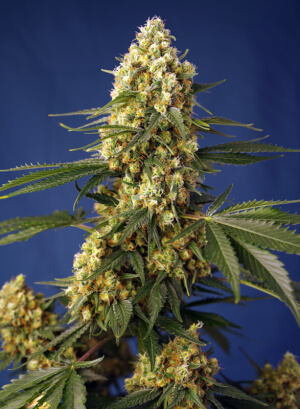
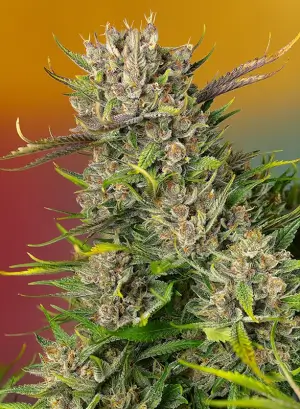
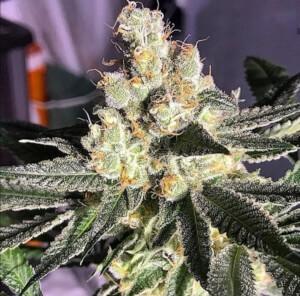
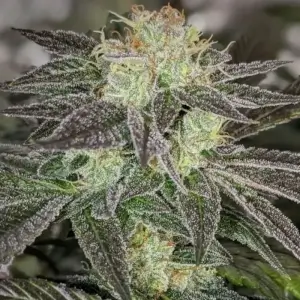
The classic OG nose combines sharp lemon, gasoline, pine and earth, with Kush earthiness and limonene rounding out the fuel. Many cuts show tight internodes, dense, resin-heavy buds and a lime-green color that sets them apart from the purple-tinged Cookies lines.
Users typically describe a euphoric effect with strong body weight, ranging from the brighter, lemony SFV and Larry cuts to the heavier Tahoe. THC on dispensary labels commonly falls in the low to mid-20s, though independent testing has shown flower labels in some states overstate potency.
Clone-only culture and its legacy
Before stabilized seed lines, OG Kush moved through clone-only networks in Southern California, a model the Cookies family later followed. The strain's habit of self-pollinating also spread inbred seeds through flower sales, adding to the long list of OG-named plants of uncertain origin.
Clarke and Richmond warn that breeders who crossed everything with OG for its aroma also passed on Afghan-derived susceptibility to molds and mildews. That trait now runs through much of the modern drug-type gene pool, and growers of OG genetics still have to plan for it.
Growing OG genetics
OG cuts reward experienced growers. They tend to stretch in early flower, need careful feeding and steady lighting, and benefit from support for top-heavy colas, while stress control helps reduce the chance of male flowers.
Environmental control matters as much as genetics. Keeping humidity in check, opening the canopy for airflow and watching closely for pests lets growers enjoy the fuel and pine character that turned one Florida cutting into the foundation of so much modern West Coast flower.