Cannabis seeds













 Alchimia now available in the USA!

Information on PPD auto
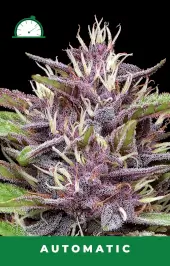
PPD Auto is the autoflowering version of the strain that started it all for Humboldt Seed Company. The letters stand for Purple Panty Dropper, the name this indica-dominant hybrid carried for years before the breeder shortened it to P.P.D.
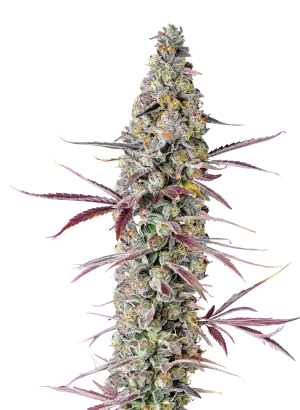
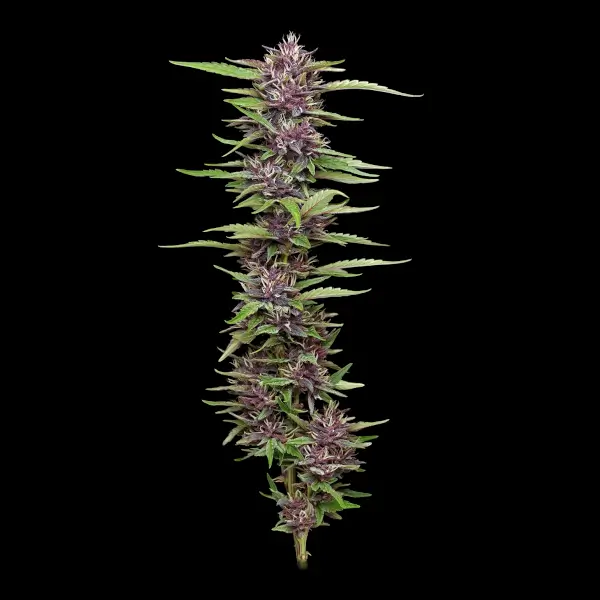
It is a feminized autoflower that builds big, even plants and finishes with rich purple, moderately dense buds. The aroma is sweet and floral with a clear Concord grape note, and THC typically sits in the 18-25% range.
The effect is euphoric and mood-lifting, with a relaxed body feel that stays social rather than heavy. It suits growers who want a colorful, flavorful auto with a real Northern California pedigree behind it.
History of PPD, Humboldt's first strain
Humboldt Seed Company was founded in 2001 in Humboldt County, in the heart of the Emerald Triangle, by breeder Nathaniel Pennington. Purple Panty Dropper was the company's original strain, and it went on to become one of the pillars of its catalog.
The strain proved valuable as a breeding parent too. Pennington crossed it with Razzle Berry around 2008 to create Blueberry Muffin, and it also stands behind Humboldt Dream, its cross with Blue Dream.
The original name was always delivered with a wink, and the breeder's own copy pairs it with a tongue-in-cheek reminder that everything should happen consensually. The playful handle was later trimmed to the more discreet P.P.D, although the full name is still the one many growers recognize.
The autoflower edition was developed so growers could get that same grape and purple character on a fixed timeline. It keeps the identity of the photoperiod mother while adding the speed and independence from light cycles that autos are known for.
Genetics and plant structure
Humboldt Seed Company lists PPD Auto as a three-way cross of Matanuska Mist x Purple Panty Dropper x Sour Apple Auto. The result is an indica-dominant hybrid, roughly 60-70% indica, with enough sativa to keep the high bright.
Plants grow big and uniform, with a tenacious, vigorous habit for an autoflower. Buds come in moderately dense and take on deep purple tones as they ripen, especially when nights turn cool.
Much of that consistency comes from the photoperiod parent, which the breeder has stabilized over eight backcross generations. In practice that means fewer surprises between seeds and a canopy that is easier to manage as a group, whether you run a single tent or a row of containers outdoors.
Matanuska Mist
Matanuska Mist comes from Sagarmatha Seeds and combines Matanuska Tundra with Grey Mist. Its roots trace back to the Matanuska Valley north of Anchorage, home of the Alaskan cannabis legend that gave the region its reputation.
The Matanuska name first appeared in print in High Times in 1974, and by early 1975 Alaskan buds sold under it were reported as the priciest pot in the state. Decades later, local growers were still running rival cuts side by side, trying to work out which one was the real thing.
Purple Panty Dropper
The photoperiod PPD is a cross of Matanuska Mist x Oregon Grape x Purple Haze, refined by Humboldt Seed Company through eight generations of backcrossing (Bx8). Oregon Grape is a clone-only cut, and Purple Haze adds an old-school sativa line to the mix.
This is the parent responsible for the Concord grape aroma and the purple coloring. As a photoperiod plant it flowers in about 50 days and finishes outdoors between late September and early October in Northern California.
Sour Apple Auto
Sour Apple Auto is another Humboldt Seed Company autoflower, built from Magic Melon Auto and Humboldt Sour Diesel. In this cross it supplies the autoflowering trait, so the plant switches to bloom on its own instead of waiting for shorter days.
Growing PPD Auto
As an autoflower, PPD Auto runs on age rather than light, which makes it a good fit for indoor tents and outdoor gardens alike. Figures for the full cycle vary by source, falling roughly between 70 and 100 days from seed to harvest depending on conditions and phenotype.
The breeder describes big plants with uniform growth and great yields from reliable production. Growers who have run it rate it as approachable, though like most autos it is more sensitive to nutrients than a photoperiod plant, so a medium feeding schedule works best.
To bring out the purple, drop nighttime temperatures into the 60s °F during the last weeks of flower. Outdoors, the fixed cycle lets you plan around your season, and the quick turnaround leaves room for more than one run in a warm climate.
One home grower who ran it described the buds as beautiful and sticky, called it super easy to grow, and pulled about 2.5 ounces of dry flower from a single plant after a 10-day dry and a four-week cure.
Seeds are feminized, so every plant you pop should be a flowering female. Give the buds a slow dry of around ten days and a few weeks of cure in jars, which is when the grape and floral notes come forward.
Flavor and effect
Open a jar of cured PPD Auto and the first impression is sweet and floral, with a Concord grape scent that growers often compare to grape potpourri. Berry and fruit tones round it out, while some phenotypes lean earthier on the palate than on the nose.
The terpene profile tends to be led by myrcene, with pinene and caryophyllene in support. That blend explains the mix of fruit, soft spice and a fresh, slightly resinous edge on the exhale.
The high arrives as a euphoric, mood-lifting lift and settles into a relaxed, happy body feel without heavy fatigue. Growers describe it as social and easygoing, a strain that works well with friends and stays calm enough for the evening.
Specifications on PPD auto
| Feminized Seeds | |
| Auto Seeds | |
| Seed bank | Humboldt Seed Company |
| THC Content | High (15-25%) |
| Indica/Sativa Genotype | Indica +60% |
| Flavor | Fruity, Sweet |
| Fast Flowering | |
| Effect | Hybrid |
| Full cycle | Fast (-9 weeks) |
| Genetics | PPD, Ruderalis |
Questions and answers
PPD auto related products (Humboldt Seed Company)