
 Cannabis seeds













 Alchimia now available in the USA!


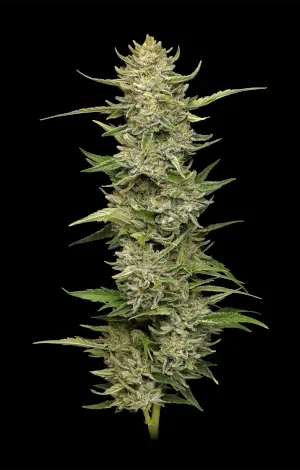
The Weasel didn't like the name Chemdog, because in New York the “chem” prefix suggested something tampered with. He started calling what he grew simply “Diesel,” which was the city's street slang at the time for top-quality weed.
An accidental cross
The Weasel didn't just keep genetics; he expanded them. After a trip to Amsterdam, he came back with seeds from Sensi Seeds classics such as Northern Lights #5, Hawaiian Indica, Super Skunk and Early Pearl, and began growing them alongside his Chem 91.
In one of his grow rooms, an accidental hermaphrodite from those Dutch genetics pollinated a crop of Chem 91. Most likely it was a cross of Northern Lights and a Skunk line known as DNL. The whole crop seeded, and instead of writing it off, he sold it. A group of growers germinated three of those seeds and named the plants Diesel #1, #2 and #3.
It's worth knowing that Sour Diesel's exact lineage is still debated. Other accounts say the pollen came from Super Skunk, Skunk #1 or Northern Lights. What nearly all of them share is Chemdog 91 as the key ancestor.
Where the name Sour Diesel comes from
According to people who were there, one of the growers in the Albany crew wrote “Our Diesel” on a jar to tell their phenotype apart. The jar already had a number 5 on it, which someone read as the letter S. That's how “Our Diesel” became “Sour Diesel,” a name born from a labeling mistake.
AJ, the grower who produced and distributed the strain from the mid-1990s onward, gives a different explanation. According to him, it got its name because it soured friendships and business relationships: the “sour” wasn't about flavor but about what it did to people who wanted it and couldn't get it.
The strain that ruled New York
AJ has never presented himself as Sour Diesel's creator, but rather as its keeper. He produced around 20 pounds every few months out of a space in Manhattan and sold it at $500 to $550 an ounce, while street prices reportedly reached $800 to $1,000. By the late 1990s, the city's delivery services were competing to carry the real thing.
AJ didn't know people were naming the strain after him until 2005. That year, he came back from a trip to find that someone had broken into his apartment, taken cuts from his mother plant and started circulating them as “AJ’s Cut.”
After decades underground, the story took a turn in 2024. AJ partnered with Flowerhouse, a licensed New York cultivator, and brought the original Sour Diesel to the legal market for the first time. For a strain so tied to the city, it was a full-circle moment.
Aroma and appearance
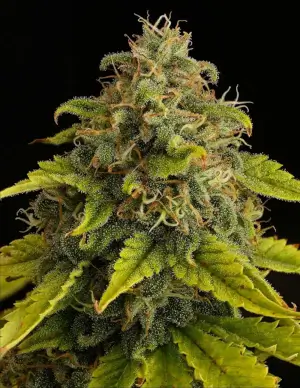
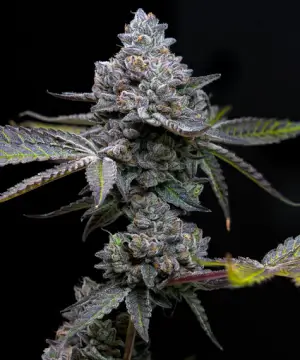
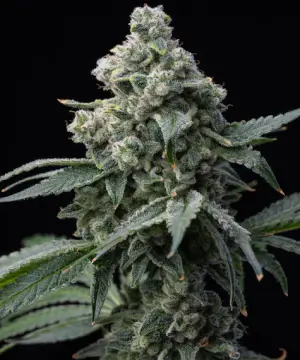
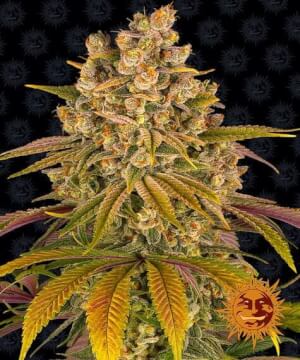
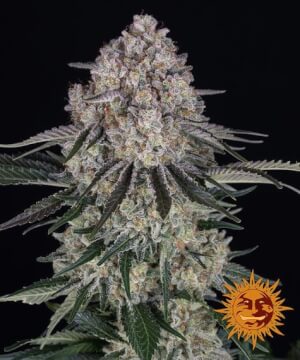
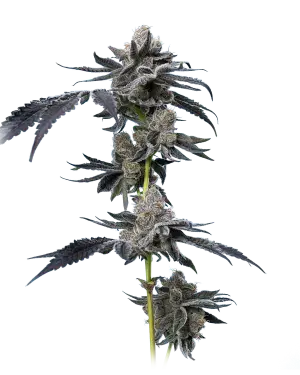
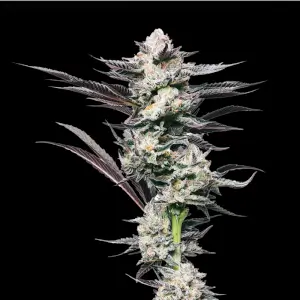
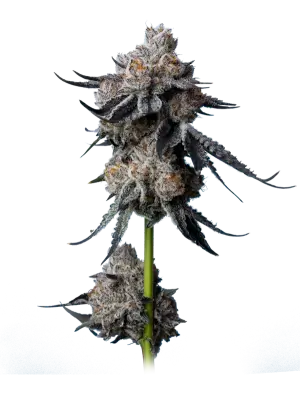
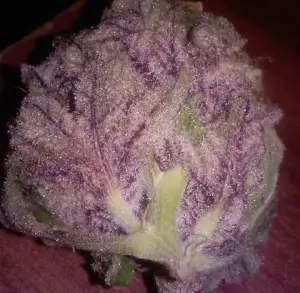
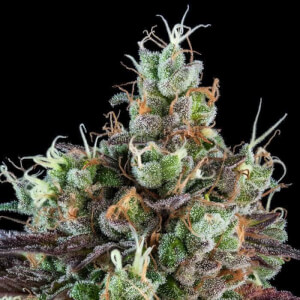
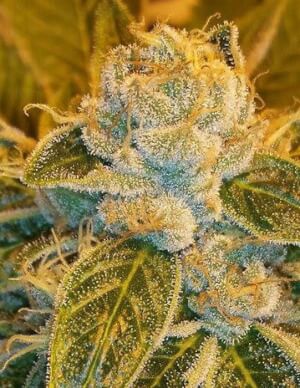
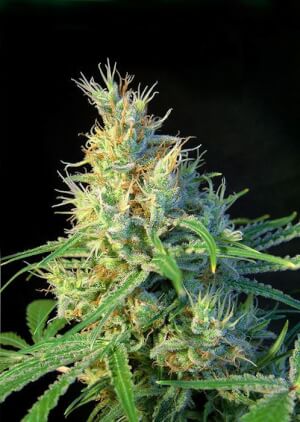
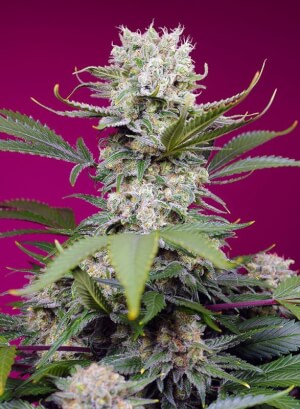
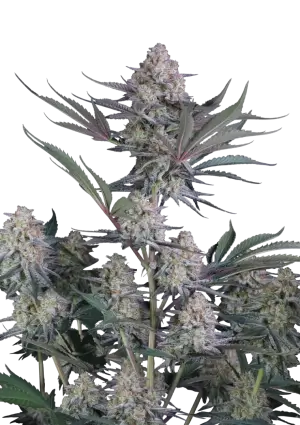
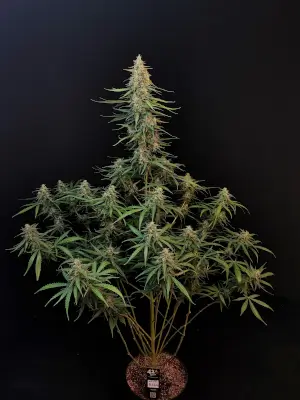
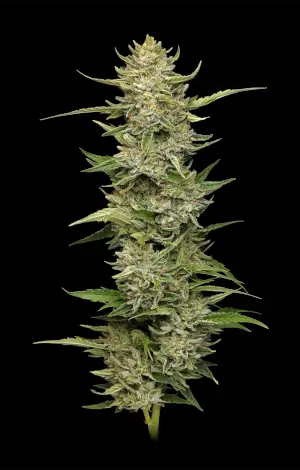
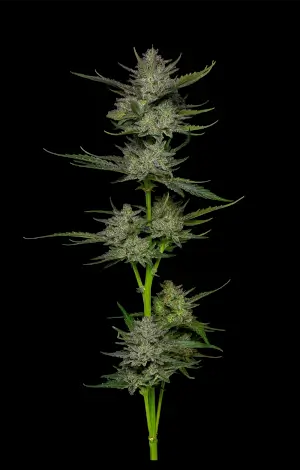
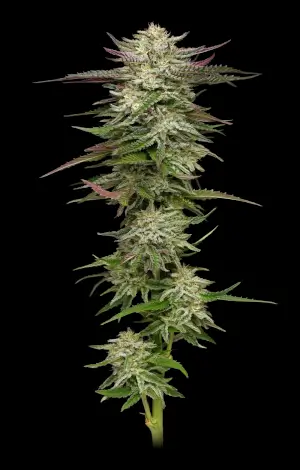
The defining trait of the family is its fuel-heavy aroma, backed by lemon notes and a skunky base. Many plants in this line, including Sour Diesel itself and NYC Diesel, show pink or magenta hues on their leaves and buds.
The Diesel family is also highly valued by people who make extracts. In an article published on Ed Rosenthal's site, a hash maker listed NYC Diesel among his five favorite strains for making hash and noted that Diesel crosses tend to produce larger buds than other lines.
The Diesel family
Sour Diesel became the foundation for many strains. Among the best known is Headband, which pairs it with OG Kush, and NYC Diesel, described as a cross of Diesel genetics with Afghan and Hawaiian. Strawberry Diesel, for its part, combines Sour Diesel with Strawberry Cough.
In California, The Cali Connection created Sour OG, also sold as 818 Headband, by crossing Sour Diesel with an SFV OG Kush male. DNA Genetics developed Sour Tangie, which combines East Coast Sour Diesel with Tangie and adds a distinct tangerine edge.
The list goes on with Super Sour Diesel, which crosses it with Super Silver Haze, and other strains like Sour Maui, Sour Haze, Sour Headband and Sour Strawberry. Over time, the word “Sour” became shorthand for this family, although not every strain carrying it shares the same genetic origin.
Growing tips
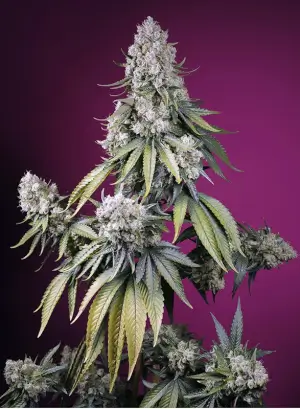
Most strains in this family have a strong sativa influence, so they tend to stretch in flower. Give them vertical room and keep that growth in check with training during veg. Crosses with OG or Kush genetics, like Headband or Sour OG, tend to stay a bit more compact.
Their aroma is very strong, so a good carbon filter is essential indoors. The pink or magenta color, when it shows up, comes through best with a proper dry and cure, which also helps define the citrus notes.
Who it makes sense for
The Diesel family suits growers looking for fuel and citrus profiles, with a more sativa character than most of today's sweet strains. It also appeals to people making homemade extracts.
If you prefer something more compact and easier to manage indoors, the OG Kush crosses are a good option. If you want to add fruit to the classic aroma, Strawberry Diesel or Sour Tangie keep the fuel and lemon base that made the family famous.