
 Cannabis seeds













 Alchimia now available in the USA!
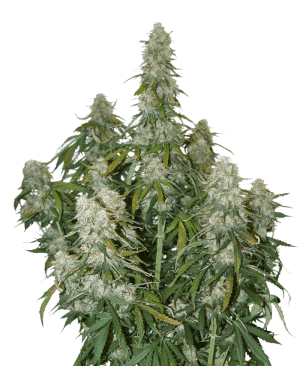
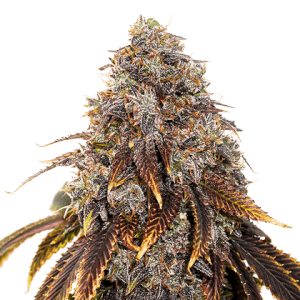
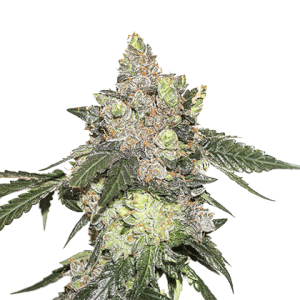
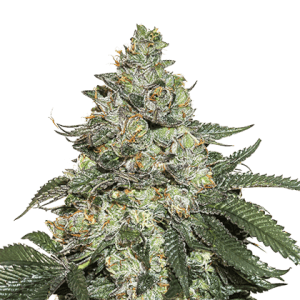
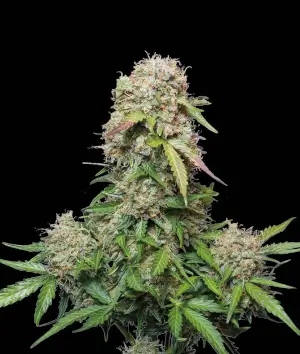
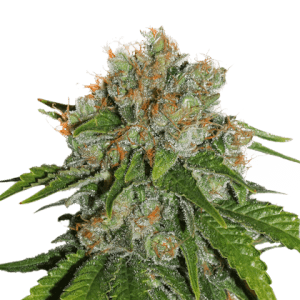
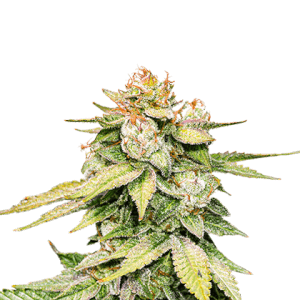
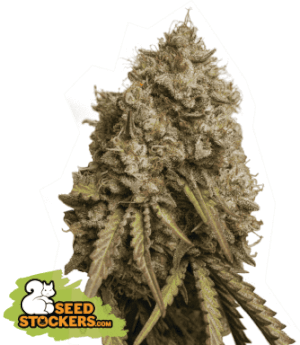
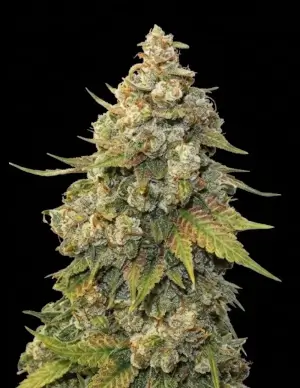
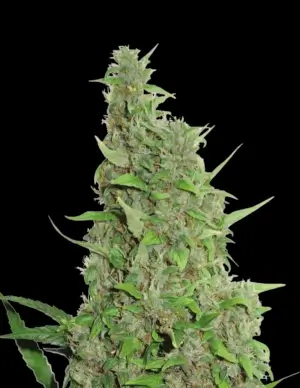
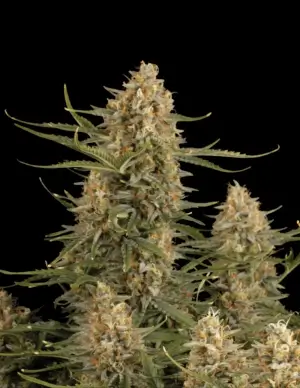
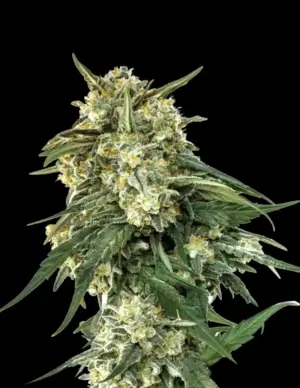
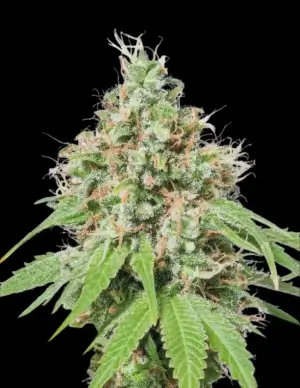
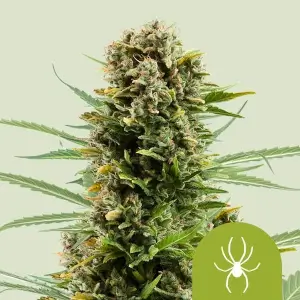
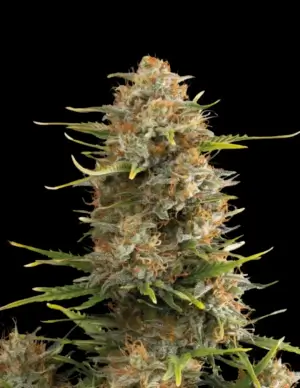
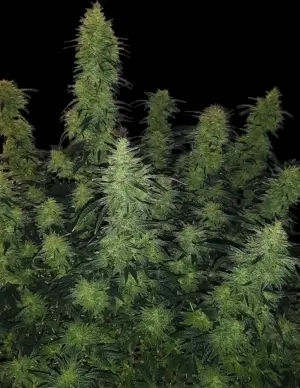
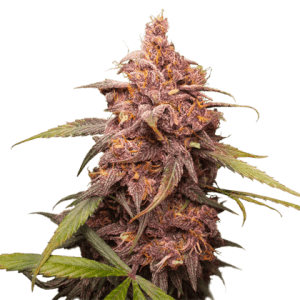
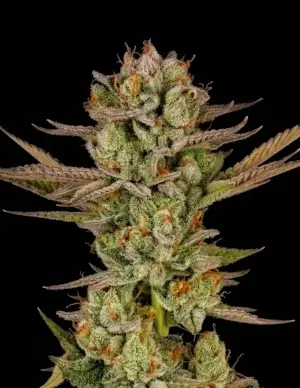
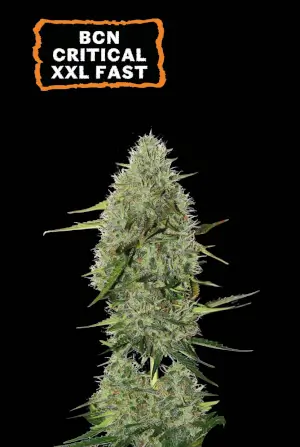
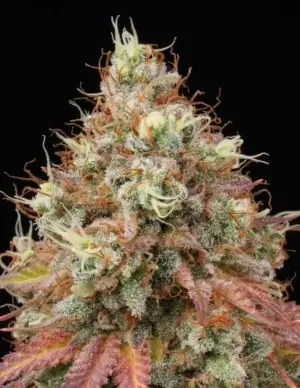
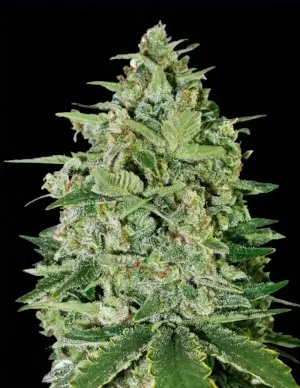
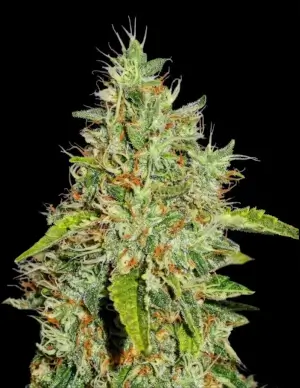
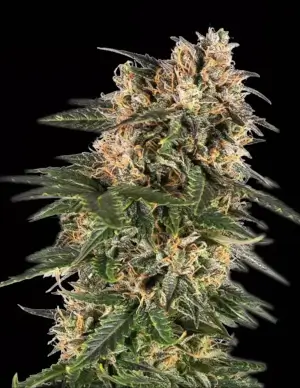
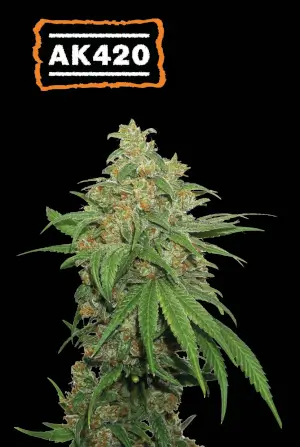
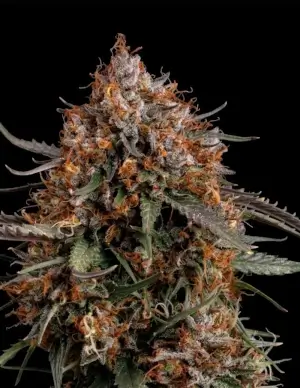
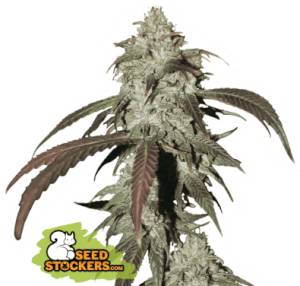


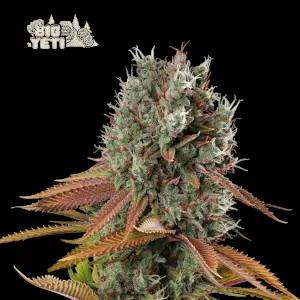
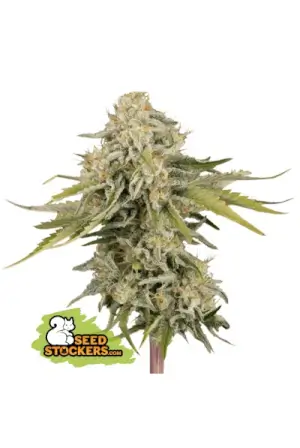




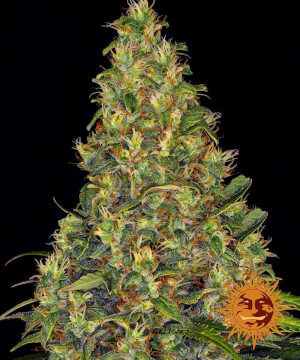
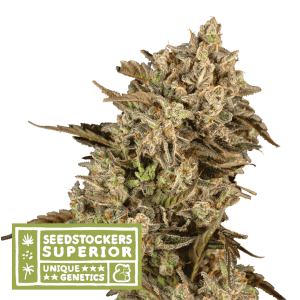
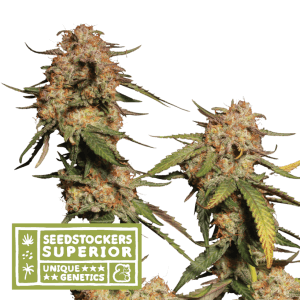
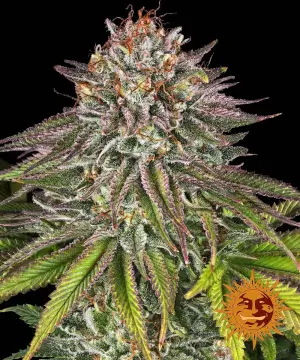
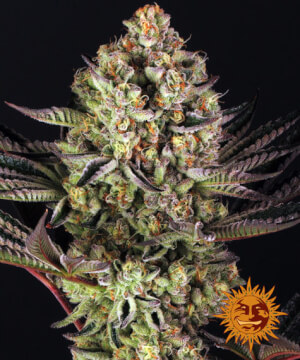
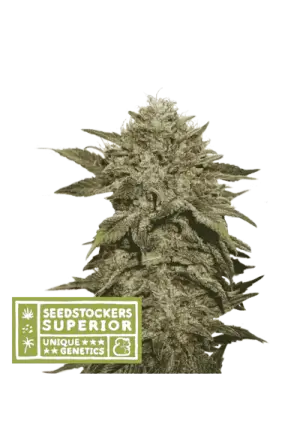
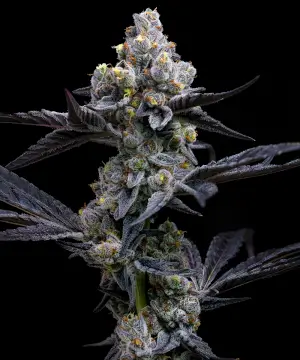
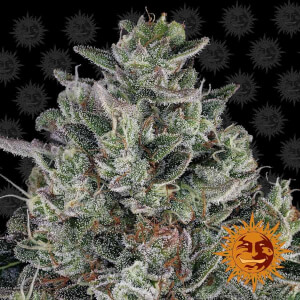
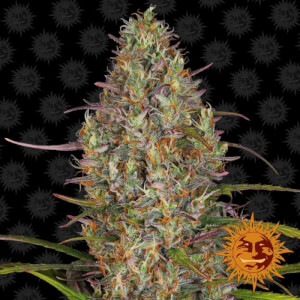
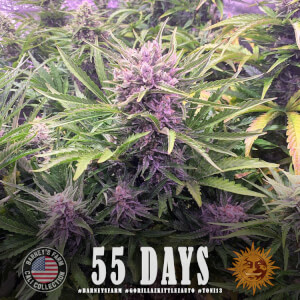

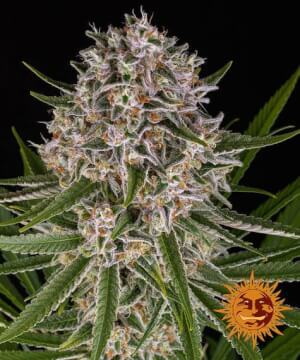
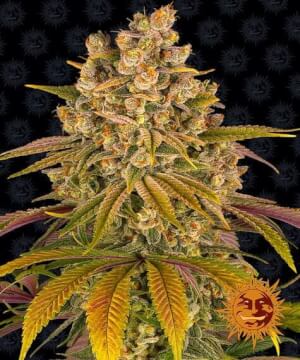
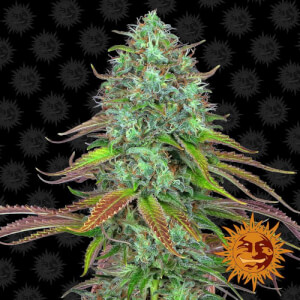
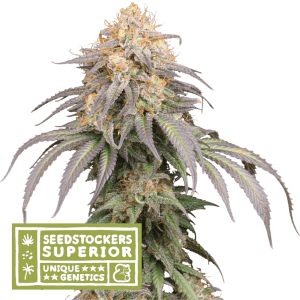
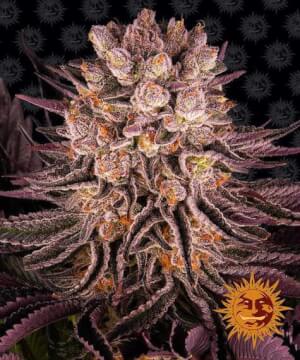

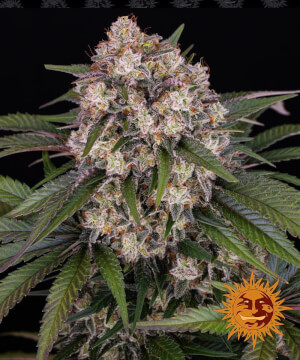

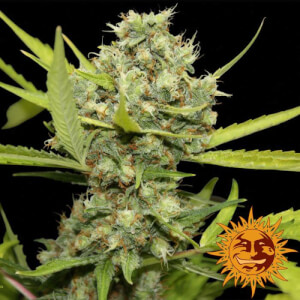
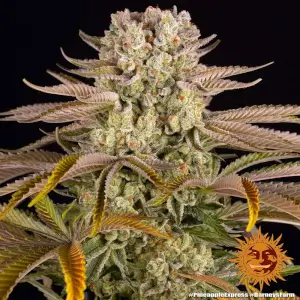
The seed format can make things even simpler. Feminized seeds don't need to be sexed to find and remove males, and autoflowers don't depend on changing the light schedule, with harvests about two to three months after the seeds sprout.
Match the strain to your space and climate
An easy strain in one garden can be a headache in another. Many strains have adapted to specific climates, so a variety suited to warm weather may struggle in a cold place. That's why the right choice for you depends as much on your conditions as on the strain itself.
One grower recalled that the first time they grew a sativa outdoors in the UK, it was a complete failure: it kept raining, and the strain they'd picked was very prone to bud rot in high humidity. Their advice is simple: choose a strain that matches your climate.
Indoors, if space is tight, compact plants like Northern Lights or autoflowering strains are a safer bet. Outdoors, look for strains with good mold resistance and a harvest window that finishes before your fall rains or first frost.
Classic strains that grow with little fuss
Northern Lights
Northern Lights is one of the most frequently recommended strains for first grows. It stays on the smaller side, flowers in roughly 7 to 9 weeks and holds up well against pests. It's also known for tolerating overfeeding and overwatering better than most, and for a relatively mild odor that helps keep a grow discreet.
Its autoflowering version is often described as the training wheels of cannabis growing: compact, tough and fast, finishing in about 8 to 10 weeks. That makes it a good fit for first attempts, when overwatering or underfeeding is most likely.
Blue Dream
This cross of Blueberry and Haze from Northern California usually grows big and strong with heavy yields. Its sturdiness gives it a large margin of error, whether you forget to water, underfeed or overdo the nutrients. It grows well in many climates, indoors and outdoors, and handles cold nights.
Indoors it flowers in about 10 weeks, and outdoors it's usually ready by early October. Because of its sativa-leaning genetics, it can get tall, so a ScrOG net helps keep it in check and boost yields.
Durban Poison
For outdoor growers, Durban Poison is a solid choice. It has a natural resistance to mold and pests and thrives in full sun with little effort. The catch is its height: it can reach about 9 feet outdoors, so it's better suited to gardens than to small tents.
White Widow
White Widow handles stress and pests well and responds to a range of training techniques. Its compact structure and roughly 8-week flowering time make it a good match for indoor spaces.
Modern strains that are also forgiving
Easy doesn't have to mean old school. Sour OG, a cross of OG Kush and Sour Diesel, is a tough plant with a moderate flowering time of about 8 weeks that tolerates more humidity than many OG crosses. Super Lemon Haze also tolerates humidity and doesn't need much attention, though it grows tall and takes around 9 weeks to flower.
Wedding Cake usually stays short and stout with solid yields and dense buds. Because of its thick foliage, it's worth pruning and topping it to reduce the risk of mold. GMO Cookies handles many climates indoors and outdoors but takes longer to finish, around 9 to 10 weeks.
GG4, formerly known as Gorilla Glue #4, is another option that works indoors and outdoors and can be harvested about 8 or 9 weeks into flowering. Its heavy resin production also makes it interesting if you plan to make your own extracts.
Easy doesn't mean effortless
Even the most forgiving strain can't fix every mistake. Overwatering is the most common problem for first-time growers, and its symptoms, such as drooping and yellowing leaves, look a lot like underwatering, which leads many people to water even more.
Keeping your first grow simple helps. A good soil mix is more forgiving of watering mistakes and pH swings than hydroponic systems, and starting from reliable seeds makes results more predictable. With a simple setup, the mistakes you make are also simple and easy to fix.
Tips for a first grow
Water only when the top of the soil has dried out and the pot feels light. Start with half-strength nutrients and increase gradually, watching how the plant responds. Keep the environment stable, with good airflow, especially in the last weeks of flowering, when dense buds are most vulnerable to mold.
Above all, don't try everything at once. A first grow is a chance to learn how your plants react, so leave advanced training techniques and complex feeding schedules for later, once you've seen a full cycle through.
Who they make sense for
Easy-to-grow strains suit first-time growers, people with limited time and anyone growing in less-than-ideal conditions. They're also useful for experienced growers who want a reliable harvest without having to watch every detail.
If you're starting out indoors with limited space, Northern Lights or its autoflowering version is a straightforward entry point. If you have a sunny garden and room to spare, Blue Dream or Durban Poison will give you a generous margin of error while you learn.