Cannabis seeds













 Alchimia now available in the USA!
Information on Passion Fruit
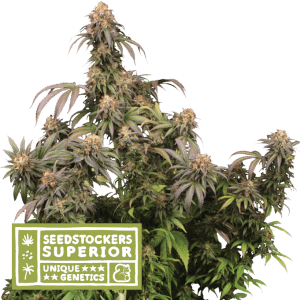
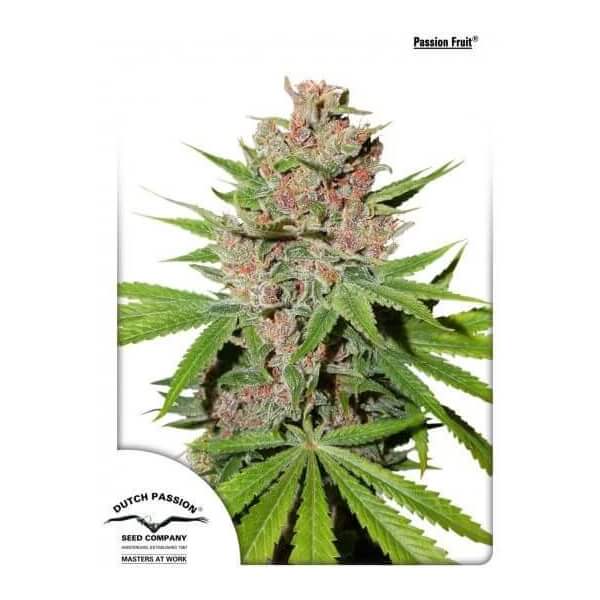
Passion Fruit is a feminized photoperiod strain built on a cross of Sweet Pink Grapefruit and Orange Bud. It is a near 50/50 hybrid with a slight sativa lean and a sweet, citrus and slightly sour aroma backed by a hint of grape. THC sits around 20% in most plants, with some phenotypes testing near 25%, and the effect is a cerebral, social high that keeps you functional.
The story behind Passion Fruit
The project started with a single clone. A trusted friend of the Dutch Passion team in Belgium shared a cutting of an original Sweet Pink Grapefruit, and the test team was so struck by its smell and taste that they decided to build a new feminized line around it. The clone already yielded well, but crossing it with the house Orange Bud pushed production further while keeping the fruit profile intact.
The name was not a marketing exercise. When the test team sampled the first buds, the mix of sour, sweet and fruity notes with a touch of grape reminded them so much of real passion fruit that the choice made itself.
The strain quickly found its audience among repeat growers, and it also earned recognition in competition. In 2018 Passion Fruit took 1st prize in the outdoor category at the Copa del Sol in Lima, Peru, a result that fits its reputation as a sturdy outdoor performer.
Genetics and plant structure
Passion Fruit is best described as a roughly 50/50 indica/sativa hybrid with a slight sativa lean, although indica-leaning phenotypes can also appear. The cross of two strong, stable lines gives it clear hybrid vigor, so plants grow fast and fill out quickly once flowering begins.
During vegetative growth the plant tends to stay compact, with thick stems and broad fan leaves that show its indica side. Once the light switches to 12/12, the sativa heritage takes over and she stretches noticeably, though less than a sativa-dominant plant. Growers report a strong, sturdy frame with plenty of vigorous side branches and buds that dry hard and compact.
Sweet Pink Grapefruit
Sweet Pink Grapefruit is thought to come from Canada, although its exact origins remain uncertain. Some accounts trace it to a very fruity Northern Lights phenotype, while others link it to a breeding program built around a special Blueberry line. What is clear is its intense, exotic and sweet flavor, the trait that convinced Dutch Passion to work with it.
Orange Bud
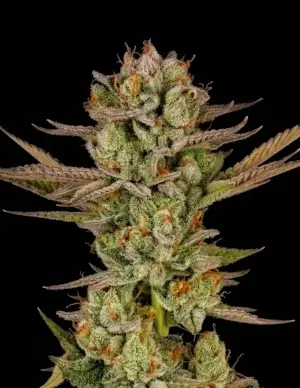
Orange Bud is one of the Dutch Passion classics, selected in the 1980s from Skunk genetics and a winner of several cannabis cups. It is known for dense, hard buds covered in crystals and bright orange pistils, along with a sweet taste with notes of nectarine and ripe orange. In Passion Fruit it adds yield, bag appeal and a stability that makes the hybrid easier to grow.
Growing Passion Fruit
Passion Fruit is easy to grow and forgiving, which makes it a good option for beginners while still leaving room for experienced growers to fine-tune results. It produces decent plants and potent buds even in sub-optimal conditions, though a stable environment brings out its real potential.
Indoors, flowering takes about 8 to 9 weeks, and the full cycle from seed to harvest runs around 12 to 15 weeks. In optimized conditions she can deliver 500 to 600+ g/m² of large, bulky flowers. The breeder recommends about four weeks of vegetative growth, or around six weeks when running only a few plants per square meter.
Her structure adapts to many setups. She works in a Sea of Green, can be flowered under 12/12 straight from seed, and also suits a SCROG with one to a few plants per m². She responds well to LST, HST, bending and supercropping, and topping or fimming will make her bushier, although it is best avoided on the indica-leaning phenotype to protect its large main cola.
Outdoors, Passion Fruit can become a large plant of 2.5 to 3.5 meters, sometimes just as wide, so give her space. She is usually ready from mid to late autumn and handles cool nights well, even in mountainous areas where temperatures drop sharply after sunset. A greenhouse helps her reach her potential, as long as there is good airflow.
Her main weak point is sensitivity to mold during long periods of high humidity in flowering, a risk that grows with her dense buds. Keep the air moving, avoid stagnant conditions and you will protect a resin-heavy harvest that can leave your fingers sticky by late bloom.
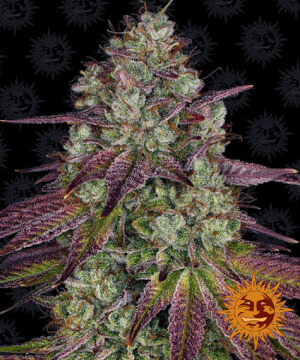
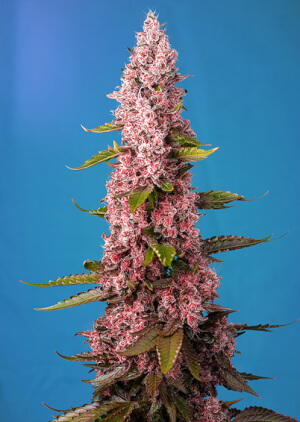
Cold nights bring out another side of this strain. Lower night temperatures can trigger blue and purple hues in the leaves and buds, giving the plants an autumnal look and, according to the breeder, an extra layer of resin.
Flavor, aroma and effect
The aroma is dominated by sweet, citrus, sour and orange notes, the kind of profile that makes a grow room smell like a candy shop. On the palate, a distinctive grape note joins the citrus, with a sour edge that recalls fresh passion fruit. Limonene is listed among its leading terpenes, which fits the bright citrus character inherited from both parents.
The effect matches its balanced genetics. Passion Fruit delivers a powerful, cerebral high that stays clear of heavy or paranoid territory, so you remain functional. The Orange Bud side keeps the mood uplifting and social, and the experience is described as strong and long-lasting.
For growers looking for a high-yielding feminized strain with a genuinely fruit-packed terpene profile, Passion Fruit combines productivity, potency and flavor in one package. Its stability also makes it a solid candidate for mother plants if you want to keep a selected phenotype.
Specifications on Passion Fruit
| Feminized Seeds | |
| Seed bank | Dutch Passion |
| THC Content | High (15-25%) |
| Indica/Sativa Genotype | Indica +60% |
| Flavor | Fruity, Citrus |
| Effect | Hybrid |
| Outdoor harvest | Standard (Autumn) |
| Indoor flowering | Fast (-9 weeks) |
| Indoor yield | High (500-600 g/m2) |
| Outdoor yield | High (400-1000 g/plant) |
| Genetics | Orange Bud, Sweet Pink Grapefruit |
Questions and answers
Passion Fruit related products (Dutch Passion)