
 Cannabis seeds













 Alchimia now available in the USA!
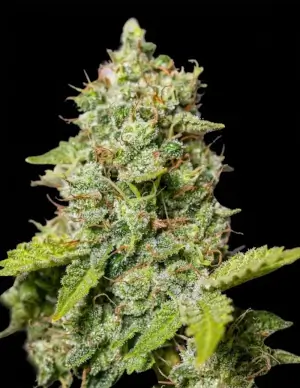
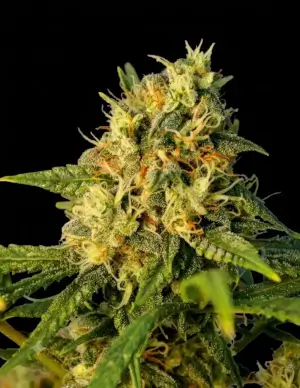
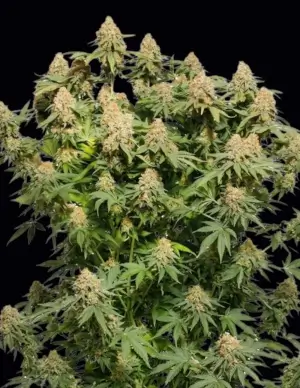
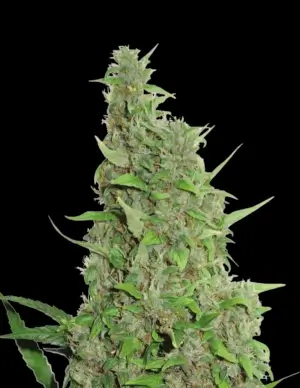
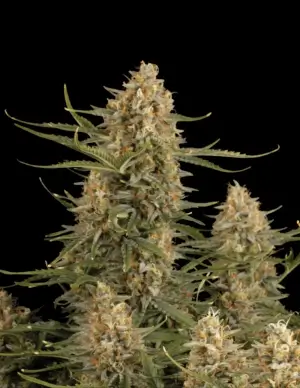

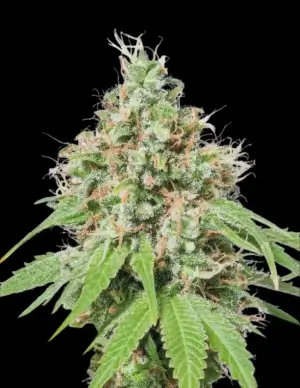
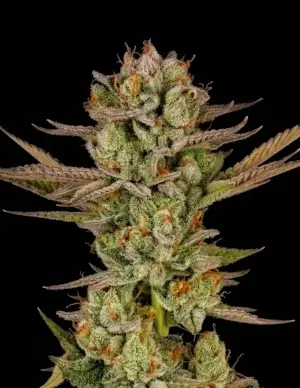
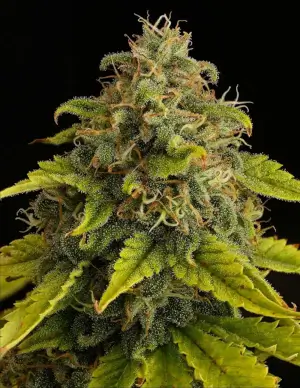
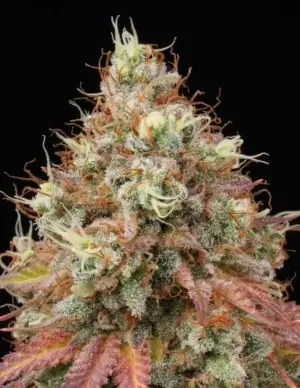
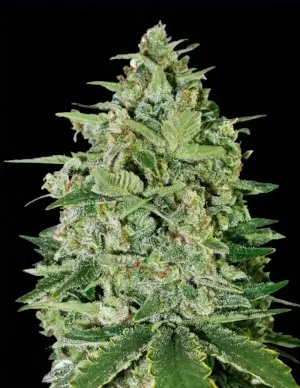
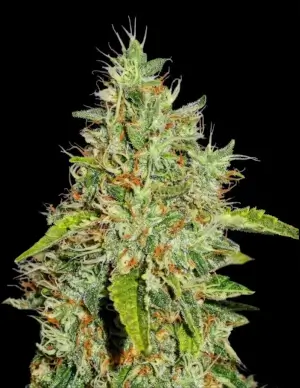
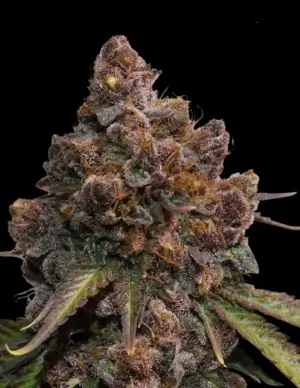


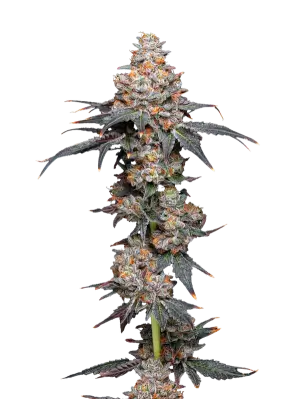
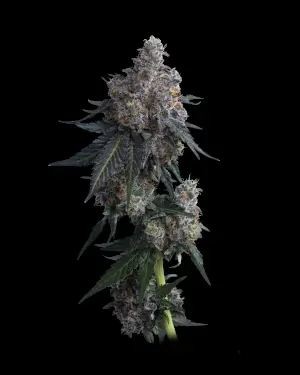
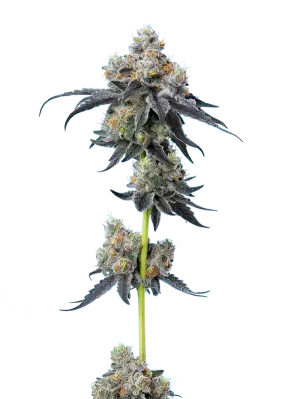
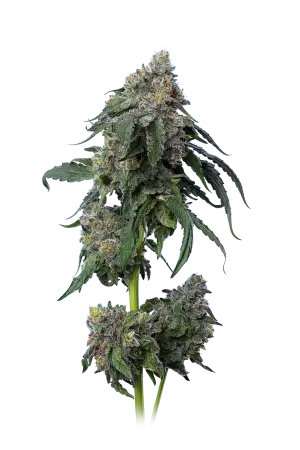
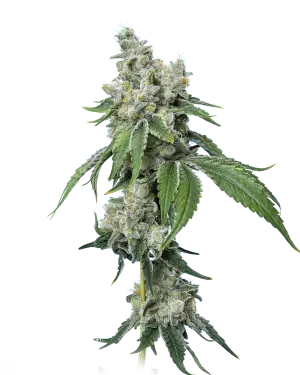
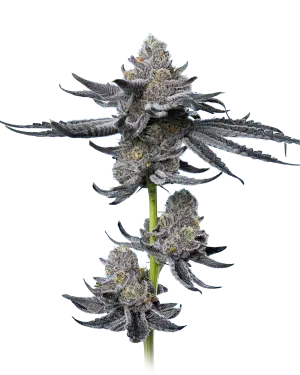
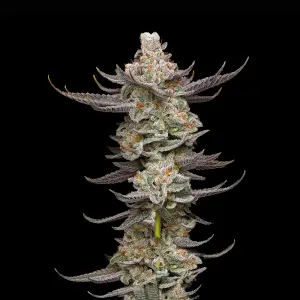
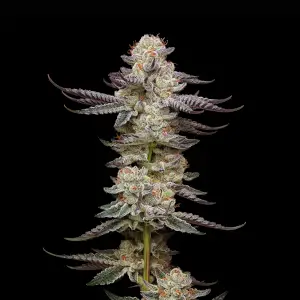
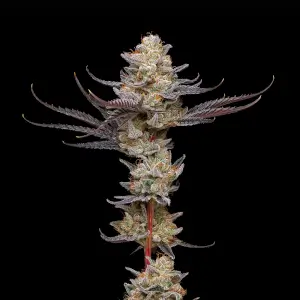

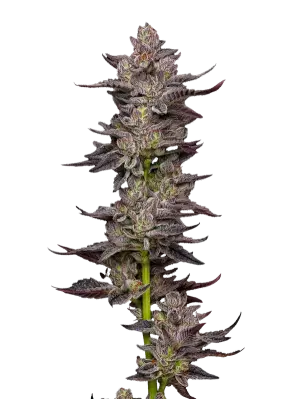
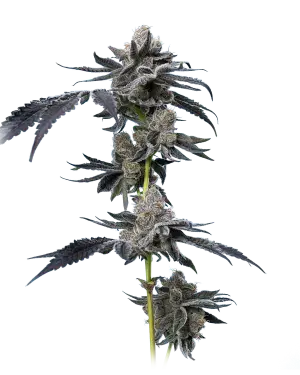
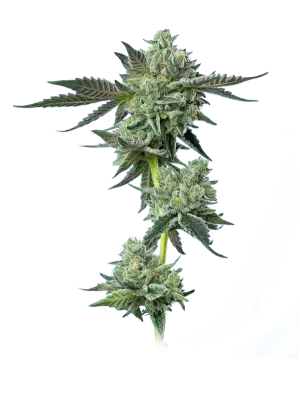
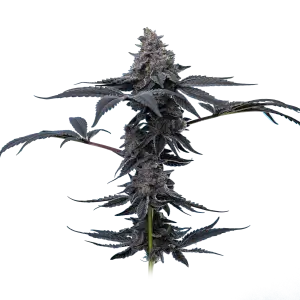

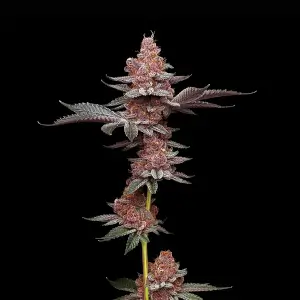

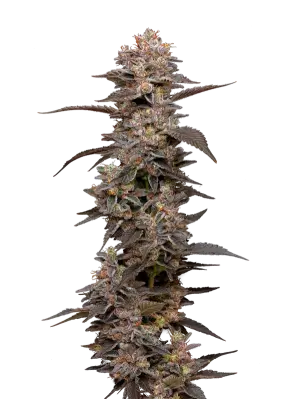
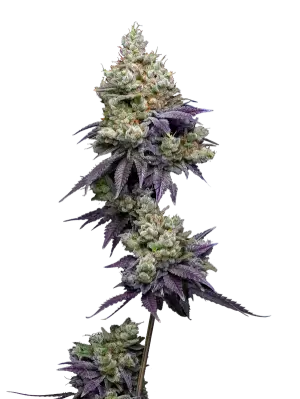
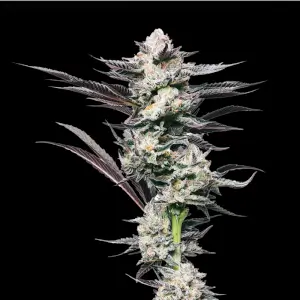
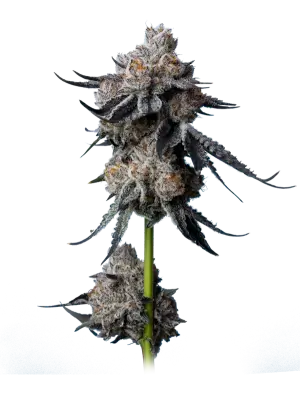
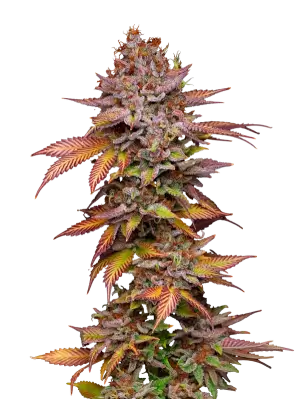
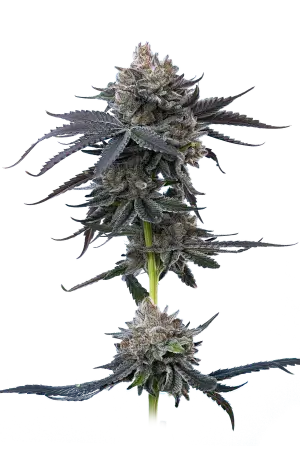

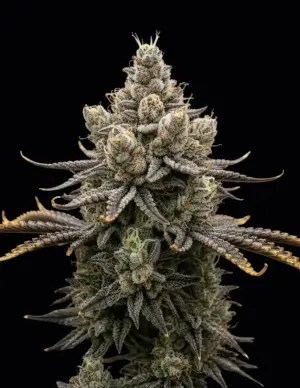

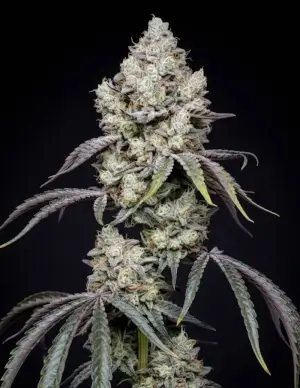

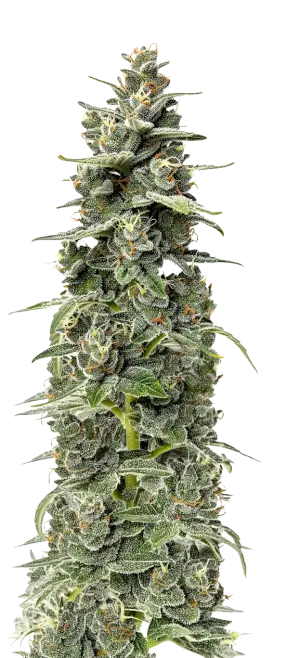
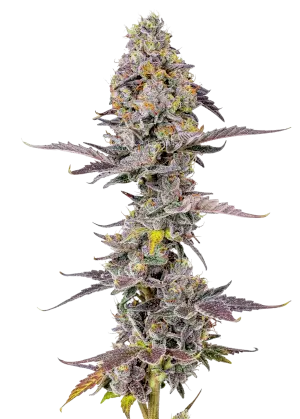



Where Fast Versions came from
The commercial concept was born in Valencia, Spain. Sweet Seeds, a bank founded in 2005 and focused on feminized seeds from the start, launched an ultra-fast flowering line in 2013 under the trademark F1 Fast Version, presented at the time as a product no other seed bank offered.
That line didn't come out of nowhere. Between 2009 and 2010 the same team had released its first autoflowers, including Speed Devil, Fast Bud and Big Devil Auto, and that work with autos became the foundation for crossing them with their photoperiods to get faster hybrids.
By the mid-2010s the idea had spread across several European seed houses, and today companies such as Dutch Passion, FastBuds, Royal Queen Seeds and Original Sensible Seeds offer their own fast versions of well-known genetics.
How breeders get faster bloom
There are two main routes. The first is crossing a photoperiod with an autoflower: because the autoflowering trait is recessive, the first generation behaves like a photoperiod plant, but it carries that gene and shows a shorter bloom.
That logic explains the F1 in the Sweet Seeds name. On its Sweet Skunk F1 Fast Version page, the bank describes the plant as the F1 hybrid of the autoflowering and photoperiod versions of the same family, resulting in a light-dependent Skunk with very fast flowering.
The second route is traditional selection. Some breeders pick the phenotypes that flower and reach sexual maturity earliest, generation after generation, until the trait is locked in. Dutch Passion, for its part, notes that its fast versions carry recessive autoflower genetics while running on the same light cycle as a standard feminized plant.
How they differ from autoflowers
Mixing up the two categories is easy when the same name shows up in three formats, for example a feminized Bruce Banner, a Bruce Banner Auto and a Bruce Banner Fast. The key is that an autoflower blooms based on age, while a fast flowering plant depends on the photoperiod.
That has practical consequences. With a fast version the grower decides how long veg lasts, can extend it, top and train with plenty of room, and can also take clones from a mother plant, something that isn't practical with autoflowers.
Fast flowering indoors
Indoors, most of these strains target a bloom of 42 to 49 days under 12/12, though some genetics run 49 to 55. Dutch Passion puts its GMO Fast at around seven to eight weeks after the flip, and Sweet Seeds lists its Cream Caramel Fast Version at about seven weeks of bloom.
Cutting weeks of light means spending less on electricity, water and nutrients per cycle, and it opens the door to more harvests per year in the same space. For anyone running back-to-back rounds, that difference shows up in the power bill and in grow planning.
Some fast versions also show early resin production. In write-ups on Bruce Banner Fast, growers mention buds turning noticeably sticky by around week five of bloom, which fits the goal of a shorter cycle.
Why an early harvest matters outdoors
Outdoors is where these plants make the biggest difference. A conventional photoperiod usually ripens from mid to late fall, while a fast version in the Northern Hemisphere tends to be ready in early to mid-September, ahead of the steady fall rains and the first frosts.
That head start reduces exposure to bud rot and other molds that hit dense colas in autumn. It also helps in northern states with short seasons, in places like upstate New York or the Great Lakes region, and for growers who plant late and need a photoperiod that still finishes on time.
Dutch Passion says many of its outdoor customers have found that Think Fast, a fast version photoperiod, not only finishes sooner but can also out-yield some of the traditional outdoor strains they had relied on for years.
Some well-known fast flowering strains
Sweet Seeds keeps a broad line that includes Green Poison F1 Fast Version, a fast take on one of its signature genetics, and Cream Caramel Fast Version, with a 90% indica and 10% sativa profile. Gorilla Girl, Cream Mandarine and Sweet Skunk are also part of the family.
On the color side, Red Mandarine F1 Fast Version was the Valencia bank's first red-flowered photoperiod, and Tropicanna Poison blends its Red line with the Fast Version line to produce shades ranging from maroon to purple and blue.
Beyond Valencia, Dutch Passion offers GMO Fast and Think Fast, among others, while FastBuds, best known for autoflowers, has developed fast photoperiods such as Gorilla Cookies FAST and Tropicana Cookies FAST. Original Sensible Seeds works with Kush Mintz Fast, which shortens bloom by one to two weeks compared with its parent.
What to keep in mind before choosing one
Because they finish sooner, some fast versions can put on less flower mass than the original genetics if grown the same way. With good conditions and a proper veg period, growers generally agree that yields hold up at comparable levels.
It's also worth checking each breeder's naming, since Fast, FF, Express and Early can refer to different breeding approaches. Reading the breeder's own description and going through other growers' grow diaries helps set expectations for each phenotype.
For growers who want a controllable photoperiod they can clone and size to their space, without the long bloom of classic genetics, fast flowering strains sit in the middle ground between autoflowers and conventional feminized seeds. Their main strength is saving time without giving up the flexibility of a light-dependent plant.