
 Cannabis seeds













 Alchimia now available in the USA!
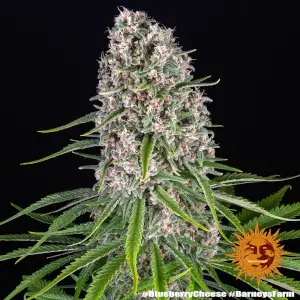
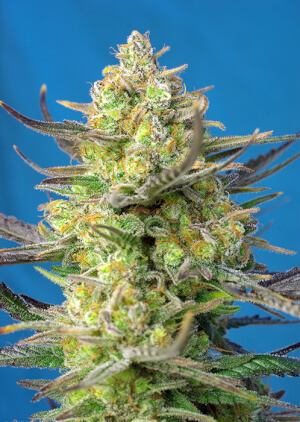
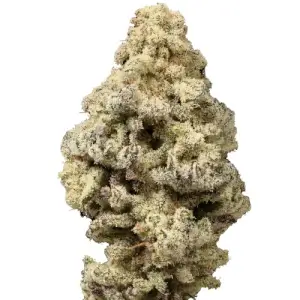
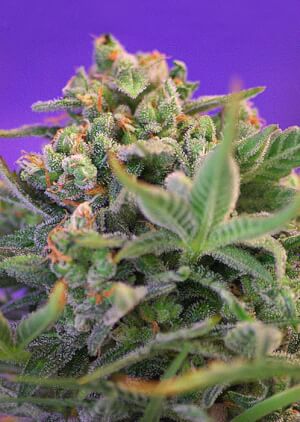
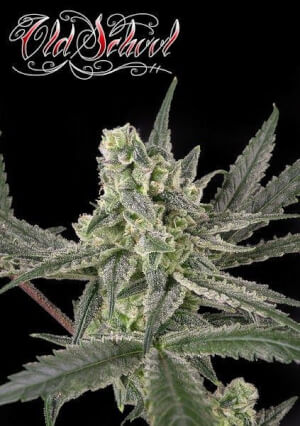
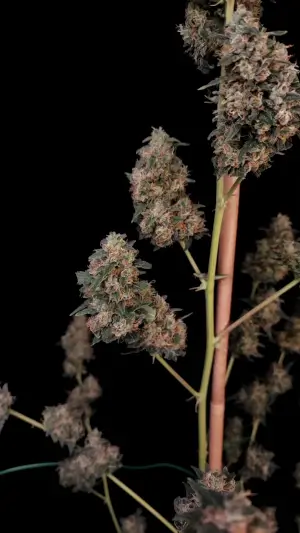
That plant stood out for its large buds and a smell so distinctive that it was quickly cloned and given the name that would make it famous. That is why Cheese is not a multi-parent hybrid but a selected phenotype of Skunk #1 kept alive through cuttings.
In a piece published in WeedWorld magazine and reposted on the THCFarmer forum, a grower who signed as Wing Commander Blue claimed to have named the plant. He recalled that the smell got so strong he would paint the fence with creosote to cover it up, and left a tip for future Cheese growers: creosote or burnt toast.
Exodus and the spread of the clone
The name Exodus Cheese comes from the Exodus Collective, a group formed in 1992 in the Marsh Farm area of Luton that ran free parties and community housing projects. Around 1995 a Cheese cutting reached its home at HAZ Manor, and the collective, which openly campaigned for cannabis legalization, grew its own plants.
Hundreds of people passed through that community, and many left with a cutting in hand. That is how the clone spread through an underground network of British growers, which for years was the only way to get it, since there were no Cheese seeds.
Wing Commander Blue recalled that a friend known as Of the Hill once asked him for 21 cuttings for a grow room he was building for the Exodus crew. According to other accounts on the same forum, it was also Of the Hill who sent a cutting in 2003 to the Home Grown Fantasy coffee shop in Amsterdam, where Cheese went on the menu and took third place at the Cannabis Cup the following year.
From clone to seed
The leap to seed came from Milo Yung, founder of Big Buddha Seeds in Birmingham. In the early 2000s he got hold of a Cheese cutting and pollinated it with an Afghan-based male selected to bring stability to the offspring.
The result, Big Buddha Cheese, added uniformity and a more compact frame, and carried the Cheese flavor into Dutch coffee shops and gardens in many countries. Weedmaps and other sources credit it with first place in the indica category at the 2006 High Times Cannabis Cup.
The same program produced Blue Cheese, which pairs a Cheese female with a Blueberry x Big Buddha Cheese male, so its name refers to its pedigree more than its smell. Yung passed away in April 2023 at age 51, and his Big Buddha Family Farms project worked on Original Cheese, a backcross aimed at getting closer to the original clone.
The Cheese family
European lines
Sensi Seeds groups several members of this family around its Skunk #1, with crosses such as White Cheese (White Rhino), Sour Cheese (Sour Diesel), Bubba Cheese (Pre-98 Bubba Kush) and Wedding Cheesecake. Sour Cheese is one of the few sativa-dominant members of the family, with a tall frame and somewhat airier buds. In Leafly's database, Big Buddha Cheese is also listed as a parent of Chiesel and Cheese Dawg.
American crosses
On this side of the Atlantic, breeder Subcool worked with the original Exodus cutting to create Cheese Quake, crossed with Querkle, as well as Dairy Queen. Cheese Quake keeps the family's sour, funky backbone with a light grape note inherited from Querkle.
Later, the same clone was paired with a Jack the Ripper male to create Lemon Stilton, a 50/50 hybrid with a harvest window of 56 to 60 days. Its description mentions a candy-like flavor with a sour finish, and the name plays on Stilton, the English blue cheese.
The aroma behind the name
Sensi Seeds attributes the Cheese profile to beta-caryophyllene, alpha-pinene and limonene, which bring spicy, piney and citrus notes over an earthy, musky base. On Leafly, data for Big Buddha Cheese point to myrcene, caryophyllene and humulene as dominant terpenes, with flavors users describe as cheesy, pungent and nutty.
Terpenes, however, don't account for the skunky side Cheese inherits from its parent. A study published in ACS Omega in 2021 identified a family of volatile sulfur compounds, led by prenylthiol, as the source of that smell in the most pungent cultivars.
The study didn't analyze Cheese, but it offers a useful clue for growers. These compounds rise during the final weeks of flowering, peak during curing and drop after just a week of storage.
Growing Cheese-based strains
The Skunk heritage shows in the garden, with short plants, large resinous buds and quick flowering, around 45 to 55 days for Skunk #1 according to Sensi. That structure lends itself to training techniques and indoor grows with limited height.
Big Buddha Cheese adds Afghan sturdiness, and Sensi credits it with up to 500 grams per plant outdoors and 450 grams per square meter indoors. Many growers note that its phenotypes finish faster and with more uniformity than the UK clone.
Strains from this family call for odor control planning from day one, especially during the last stretch of flowering. Blue Cheese, for its part, is described as mold-resistant as long as the environment stays slightly cool.
What users report
Leafly puts Big Buddha Cheese at around 18 percent THC and lists effects described mostly as energizing, with users mentioning euphoria and a good mood. Sensi Seeds describes a noticeable body effect that keeps the mind clear, a balance common to many Skunk-based hybrids.
Mark Smith, a writer at Sensi Seeds, recalls smoking Cheese with friends outside a university dorm when he was younger. The smell drifted up to the top floors, and within minutes a line had formed outside the room with people asking where to buy some.
That knack for turning heads explains why the Cheese name has been used so loosely, to the point that many veterans draw a line between the Exodus clone and much of what is sold under that label today. Choosing a strain with a documented lineage, whether from Big Buddha, Sensi or Subcool's work, is the way to make sure the cheese aroma comes from the source.