
 Cannabis seeds













 Alchimia now available in the USA!
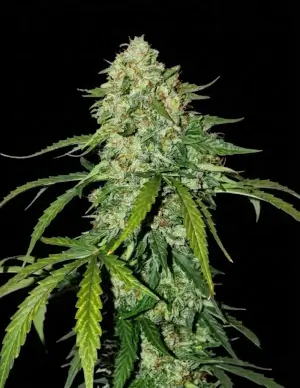
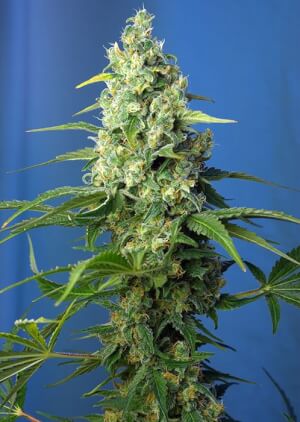
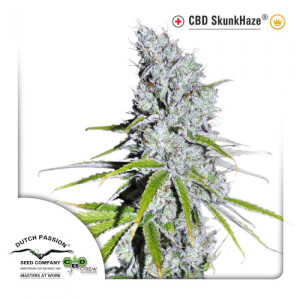
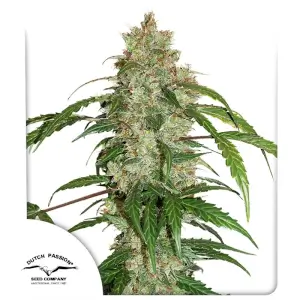
Scientific literature classifies these plants as chemotype II, or intermediate type, as opposed to type I, which is THC-dominant, and type III, which is CBD-dominant. In retail settings, the balanced label often covers anything from 1:1 up to 5:1, so it pays to read the numbers and not just the name.
The genetics behind the balance
The classic model, described by researcher Etienne de Meijer in 2003, explains chemotype through a single B locus with two codominant alleles: BT, which encodes THCA synthase, and BD, which encodes CBDA synthase. A 1:1 plant would be heterozygous BT/BD, carrying one working copy of each enzyme, both acting on the same precursor, CBGA.
This model has a direct consequence for growers. Crossing a type I plant with a type III plant gives an intermediate first generation, but if that F1 is selfed, the offspring split roughly in a 1:2:1 pattern between THC-dominant, balanced and CBD-dominant plants.
Genome sequencing has refined this picture, showing that the two synthase genes sit at separate but tightly linked loci and are inherited almost as a single unit. A 2022 study published in Frontiers in Plant Science also found that morphology cannot predict chemotype, since visually identical plants showed different cannabinoid profiles.
From the lab to Humboldt: how CBD came back
For decades, breeding focused on THC nearly bred CBD out of commercial cannabis. When Steep Hill began testing flower in the San Francisco Bay Area, samples averaged over 15% THC, yet only one in every 600 reached 4% CBD.
One of the first finds was a flower called Stinky Purple, brought in from Round Valley in Mendocino County. Nobody had taken cuttings from the mother plant, so the grower who brought it to Harborside had no way to reproduce it, and that profile was lost.
The early CBD-rich cultivars that circulated in California, such as Harlequin, Jamaican Lion, OmRita Rx, Blue Jay Way and Sour Tsunami, actually carried roughly equal parts of both cannabinoids. Over time they were overshadowed by cultivars with almost no THC, but they laid the foundation of the 1:1 category.
Lawrence Ringo of the Southern Humboldt Seed Collective got the call from analyst Samantha Miller at Pure Analytics with the results for his Sour Tsunami: upwards of 11.3% CBD while holding 6 to 7% THC. According to those who worked with him, the whole team cheered.
Many current genetics descend from those lines. Harle-Tsu combines Harlequin and Sour Tsunami, and Pennywise, created by Subcool Seeds, crosses Harlequin with Jack the Ripper with a 1:1 profile in mind. On the European side, Cannatonic from Resin Seeds and Juanita la Lagrimosa from Reggae seeds became another cornerstone of CBD genetics.
Variation between phenotypes
Not every seed from a 1:1 strain produces that exact ratio. Breeders such as Dutch Passion point out that the ratio should be read as an average across phenotypes, so when several plants are grown, some may lean toward THC and others toward CBD.
Variation also shows up in lab results. A study by Jikomes and Zoorob covering more than 160,000 test results from Washington State found samples sold under the same name with ratios far outside their expected chemotype, along with notable differences between labs. The authors called for shared testing standards so data could be compared.
Growing tips to keep the ratio
One practical advantage is that the THC to CBD ratio stays relatively stable throughout the plant's life. Some labs offer ratio testing during the vegetative stage, which lets growers cull phenotypes before committing eight to ten weeks of flowering.
Once a plant expressing the desired 1:1 is found, the usual approach is to keep it as a mother and run clones to hold the profile. Feminized seeds remove males from the garden, but they do not guarantee on their own that every plant will share the same chemistry.
Environment mainly affects total cannabinoid concentration, while the ratio depends chiefly on genetics. A well-run grow and a careful cure help the final lab result reflect what the plant actually produced.
Aromas and terpene profiles
The ratio does not define flavor, which comes from the parent genetics. Sour Tsunami and Harlequin lines tend to show more limonene and pinene than early Cannatonic varieties, and Sour Tsunami descendants often keep their diesel and sour notes.
CBD versions of classics like White Widow, Super Silver Haze and Cheese try to preserve the original aroma while adding the ability to produce CBD. That way, anyone familiar with a well-known strain can find its balanced counterpart without giving up its character.
How the effect is perceived
Users describe 1:1 strains as having tempered psychoactivity: a mild, manageable mental lift paired with physical relaxation rather than heavy intoxication. That is why they draw both newcomers and seasoned consumers looking for something lighter.
The experience still depends on the absolute amount of THC in the flower. A 1:1 strain with 10% of each cannabinoid will feel noticeably stronger than one with 4%, even though both share the same ratio.
Choosing a 1:1 strain ultimately means choosing a specific chemical balance. Checking published lab results, growing several plants and selecting the one that best expresses that profile is a reliable way to take it from paper to harvest.